Rareness of Capability
How unusual skills or combinations of skills can create disproportionate value.
System Design Methodology
A repeatable process identifies needs, designs scalable systems, operationalizes them, trains others, and iterates through feedback loops.
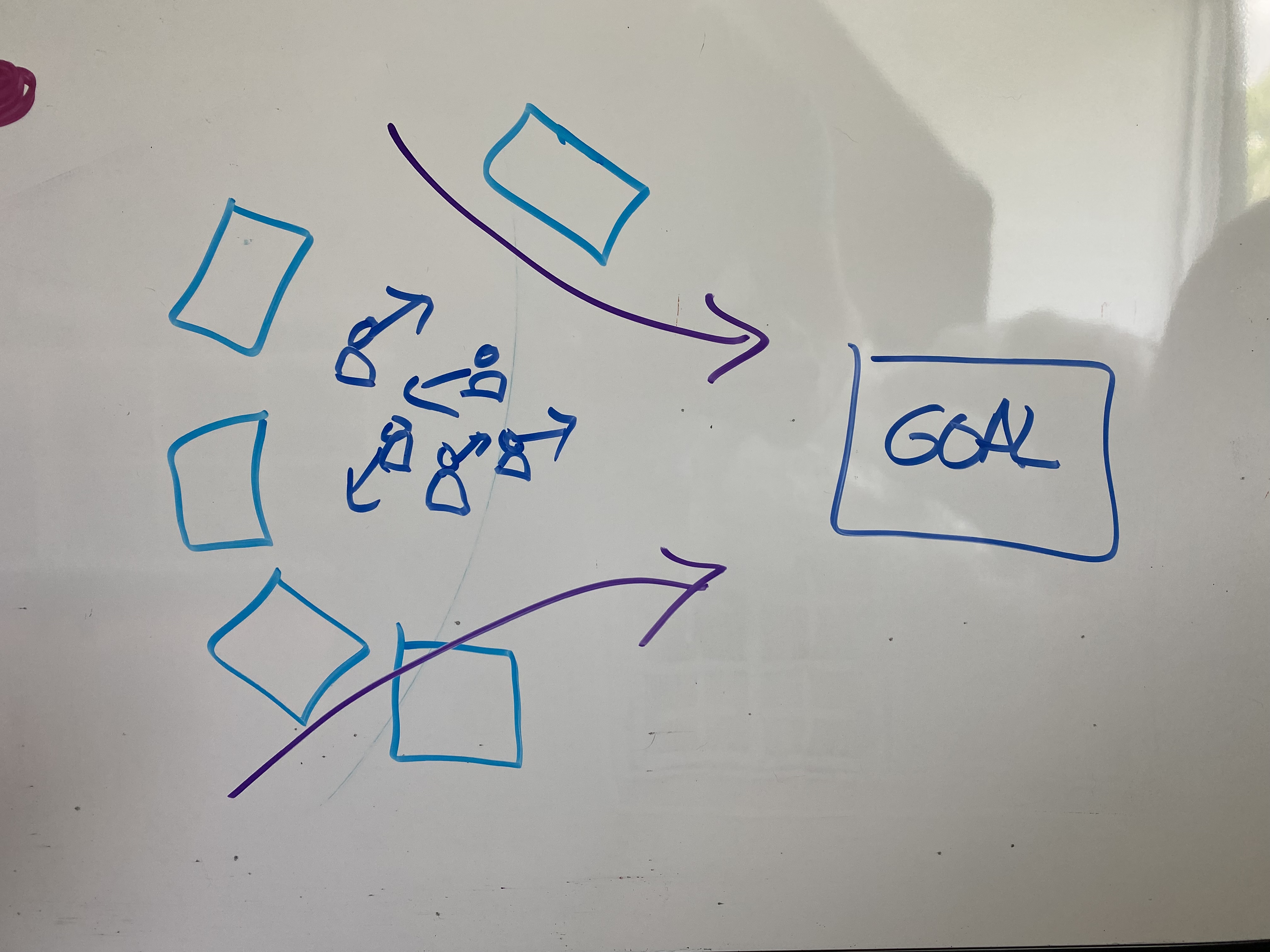
A repeatable process identifies needs, designs scalable systems, operationalizes them, trains others, and iterates through feedback loops.
This domain is valuable because it makes meaning itself legible as a system. Information has to be structured, sequenced, distributed, interpreted, and reinforced before it changes what people do.
That transfer matters across nearly everything else. Better narrative, knowledge, and communication design usually make technical, organizational, and commercial systems easier to adopt and sustain. This domain gets more useful when it is compared with adjacent systems instead of being treated as a silo. That is where reusable judgment starts to form.
How unusual skills or combinations of skills can create disproportionate value.
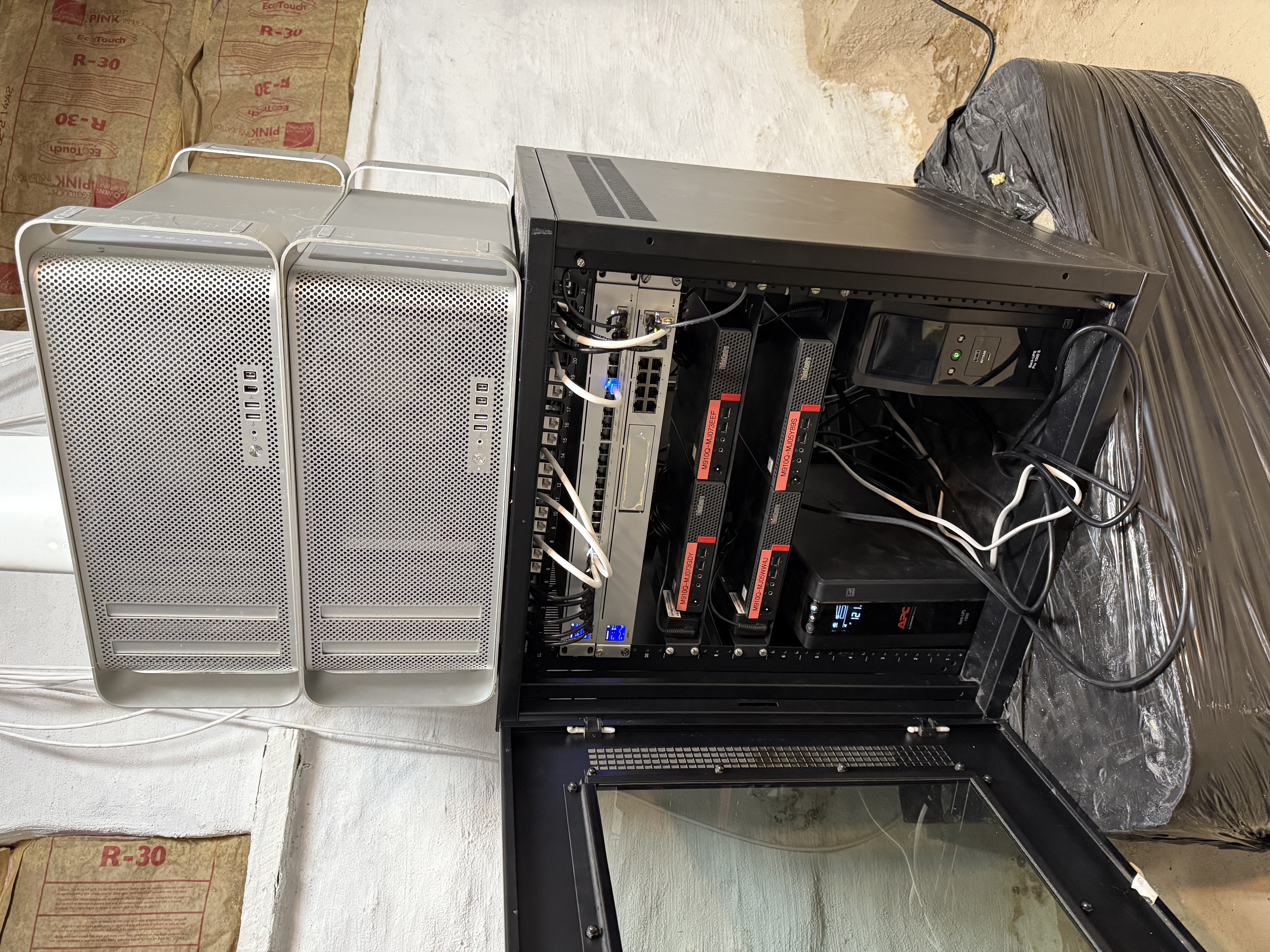
How dependability compounds trust, reputation, and long-term results.
How uncertainty can be lowered without removing all upside.

When calculated risk becomes necessary for growth, innovation, and leadership.
How well a useful solution can grow without collapsing under its own success.
How well a business sits inside the flow of real demand, cost, and margin.
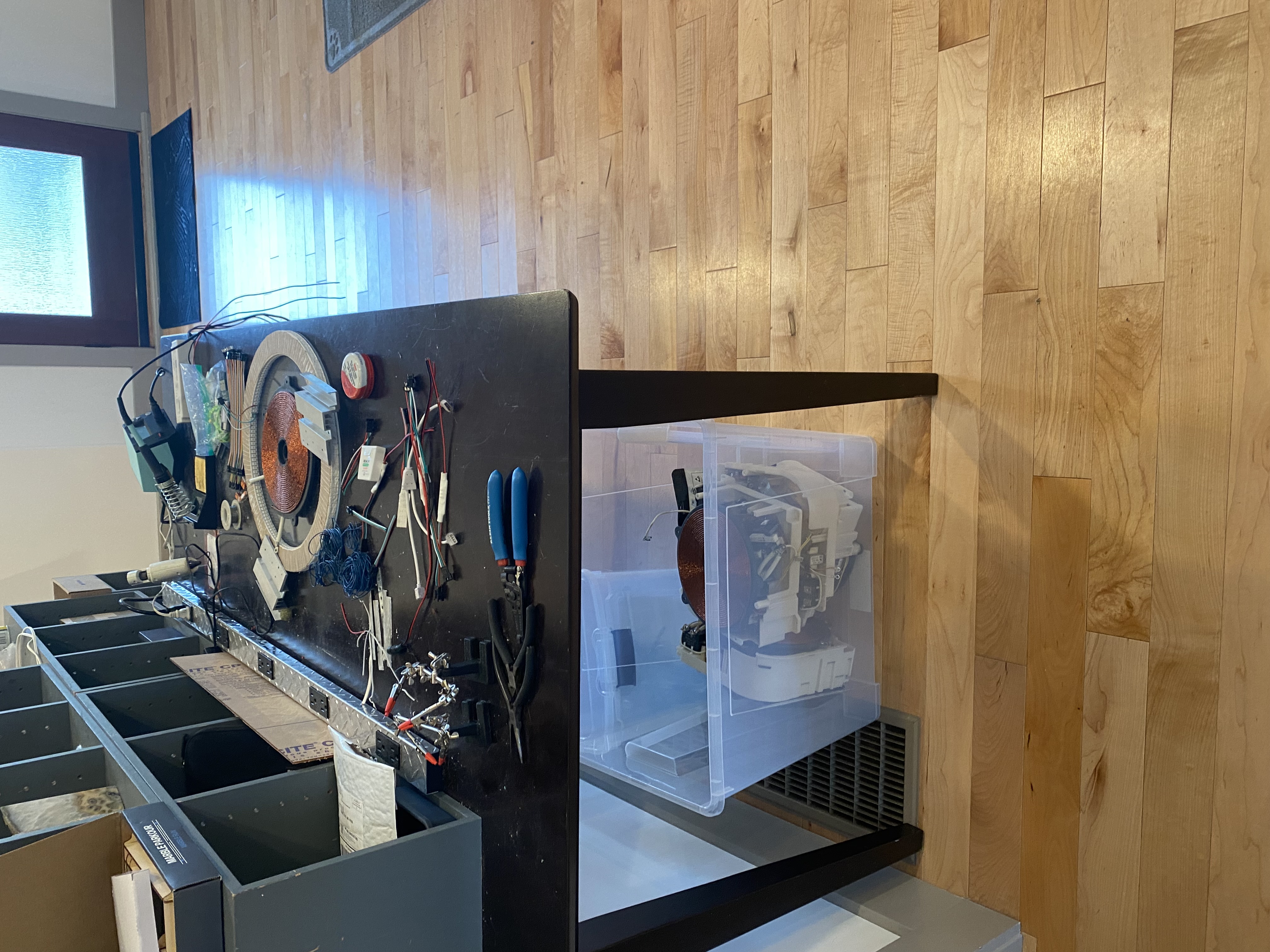
How the tools embedded in a person, team, or system change their effective output.

The combination of integrity, transparency, and consistency that makes deeper relationships possible.

How customer understanding improves product fit, communication, and value delivery.

How clarity about purpose shapes motivation, direction, and long-term alignment.