Audit-ability
The ability to inspect, review, and verify work, decisions, and processes.
System Design Methodology
A repeatable process identifies needs, designs scalable systems, operationalizes them, trains others, and iterates through feedback loops.
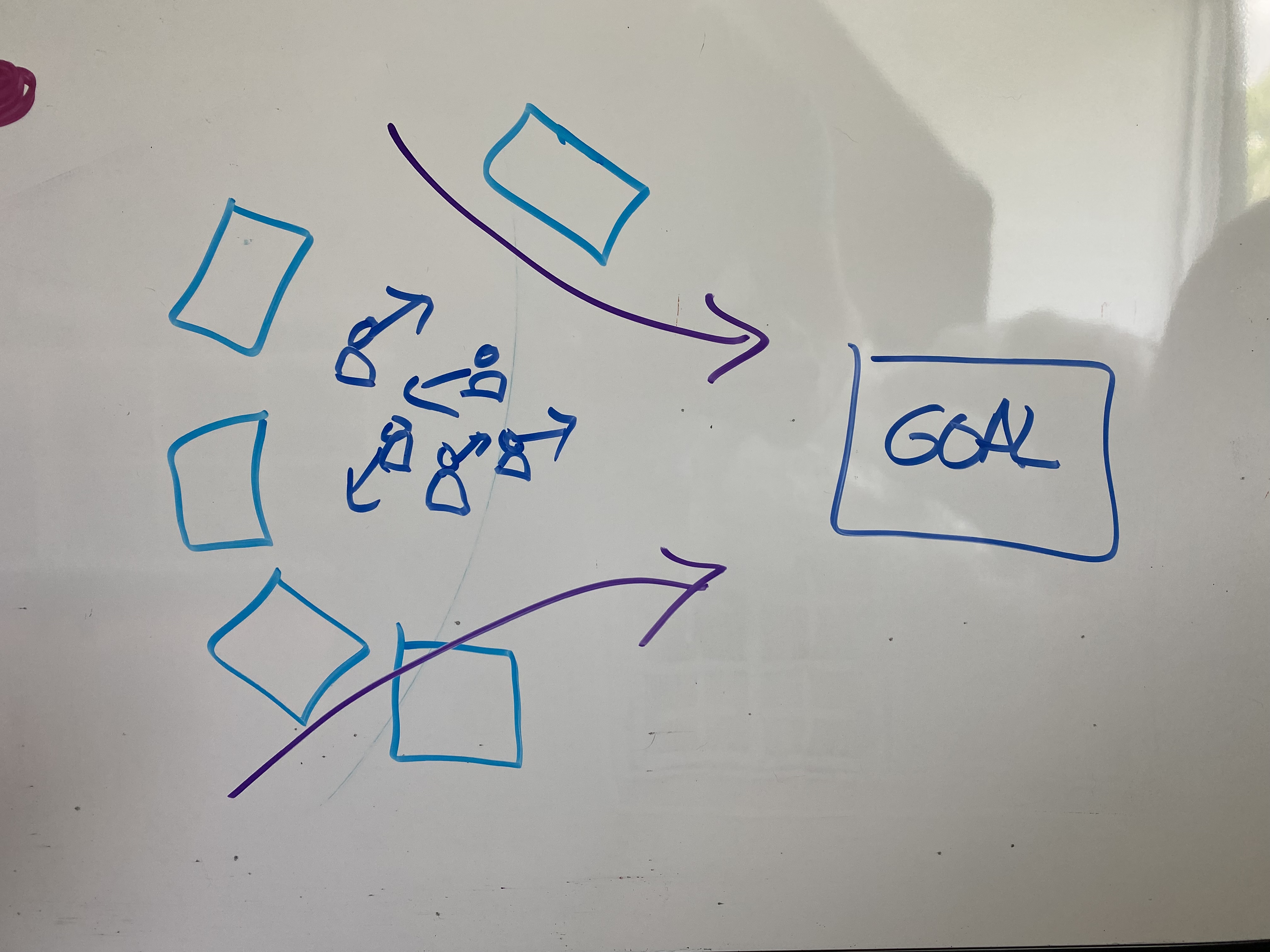
A repeatable process identifies needs, designs scalable systems, operationalizes them, trains others, and iterates through feedback loops.
This domain is valuable because it makes meaning itself legible as a system. Information has to be structured, sequenced, distributed, interpreted, and reinforced before it changes what people do.
That transfer matters across nearly everything else. Better narrative, knowledge, and communication design usually make technical, organizational, and commercial systems easier to adopt and sustain. This domain gets more useful when it is compared with adjacent systems instead of being treated as a silo. That is where reusable judgment starts to form.
The ability to inspect, review, and verify work, decisions, and processes.

Why punctuality acts as a visible signal of reliability, professionalism, and respect.

The foundational qualities a person brings before specific tactics, tools, or credentials are applied.

The role of intellectual agility and creativity in solving difficult problems.

The sustained commitment that keeps worthwhile work moving through difficulty.

How smoothly someone can communicate, coordinate, and maintain trust with others.
Why continuous learning increases capability, judgment, and adaptability over time.

How well someone contributes inside a coordinated group rather than in isolation.
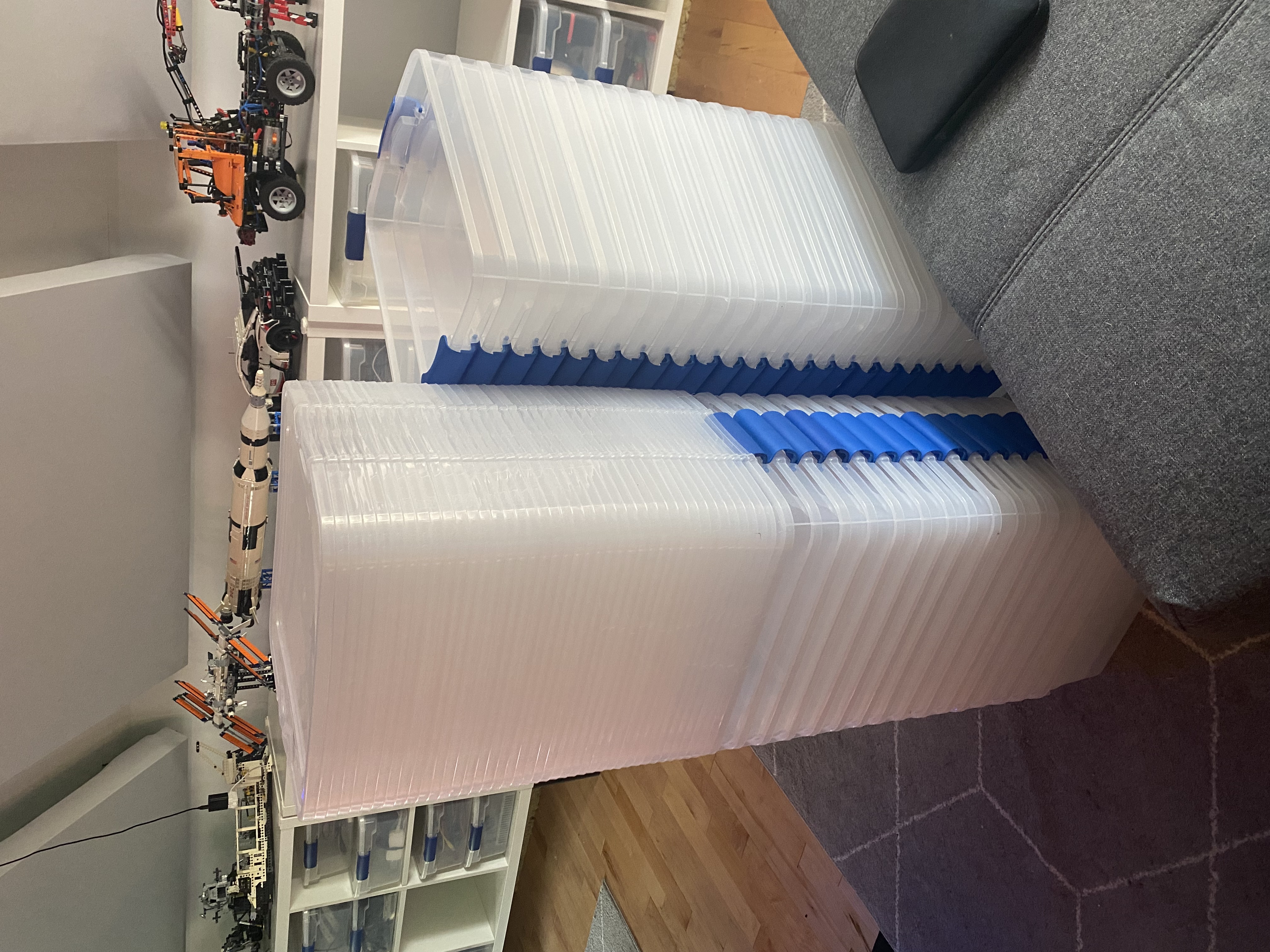
How time, energy, and resources are used without unnecessary waste.
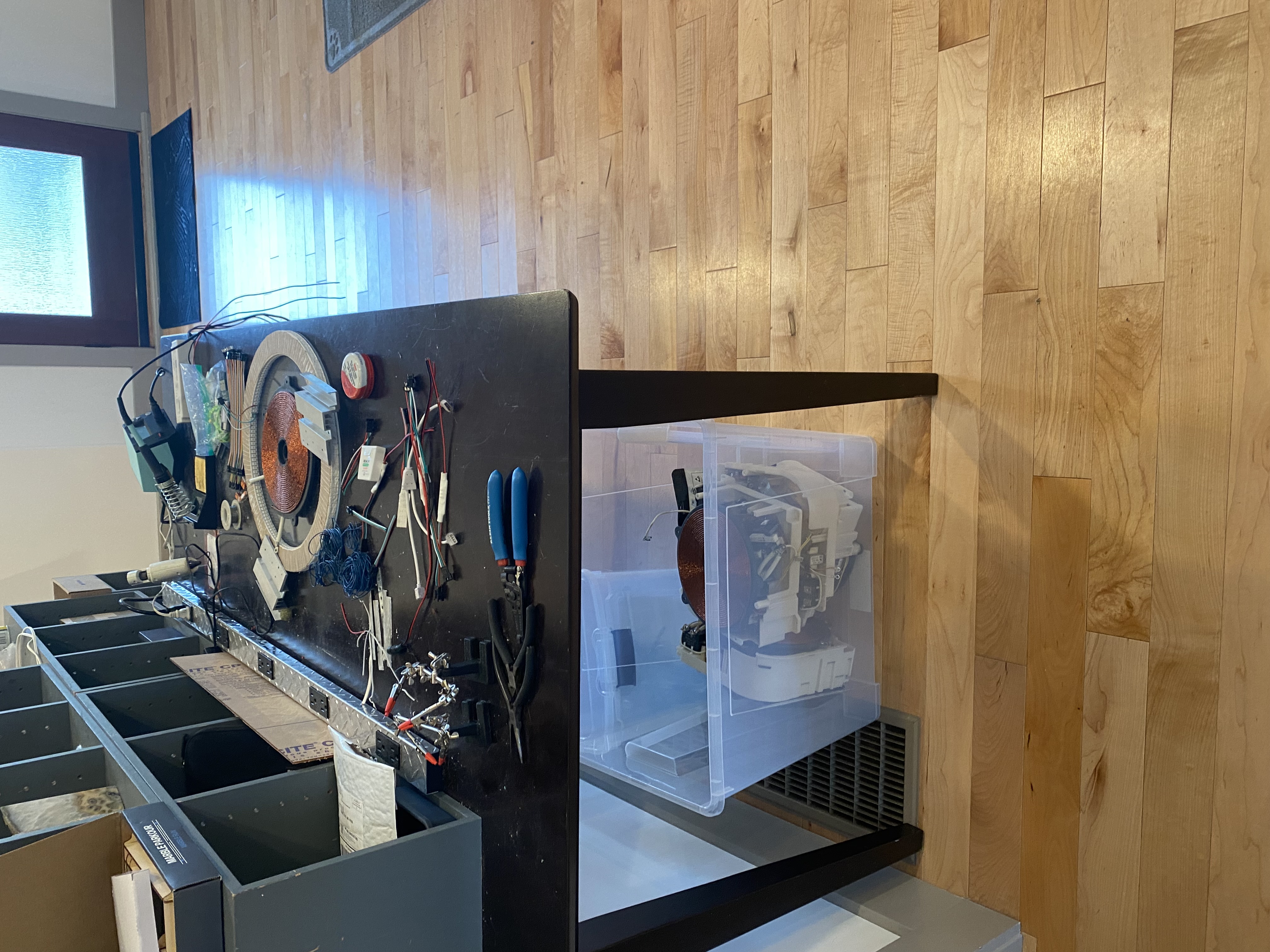
The sustained work that often separates intention from real results.