
Understanding and Wisdom
How deep understanding and practical judgment improve decisions and outcomes.
System Design Methodology
A repeatable process identifies needs, designs scalable systems, operationalizes them, trains others, and iterates through feedback loops.
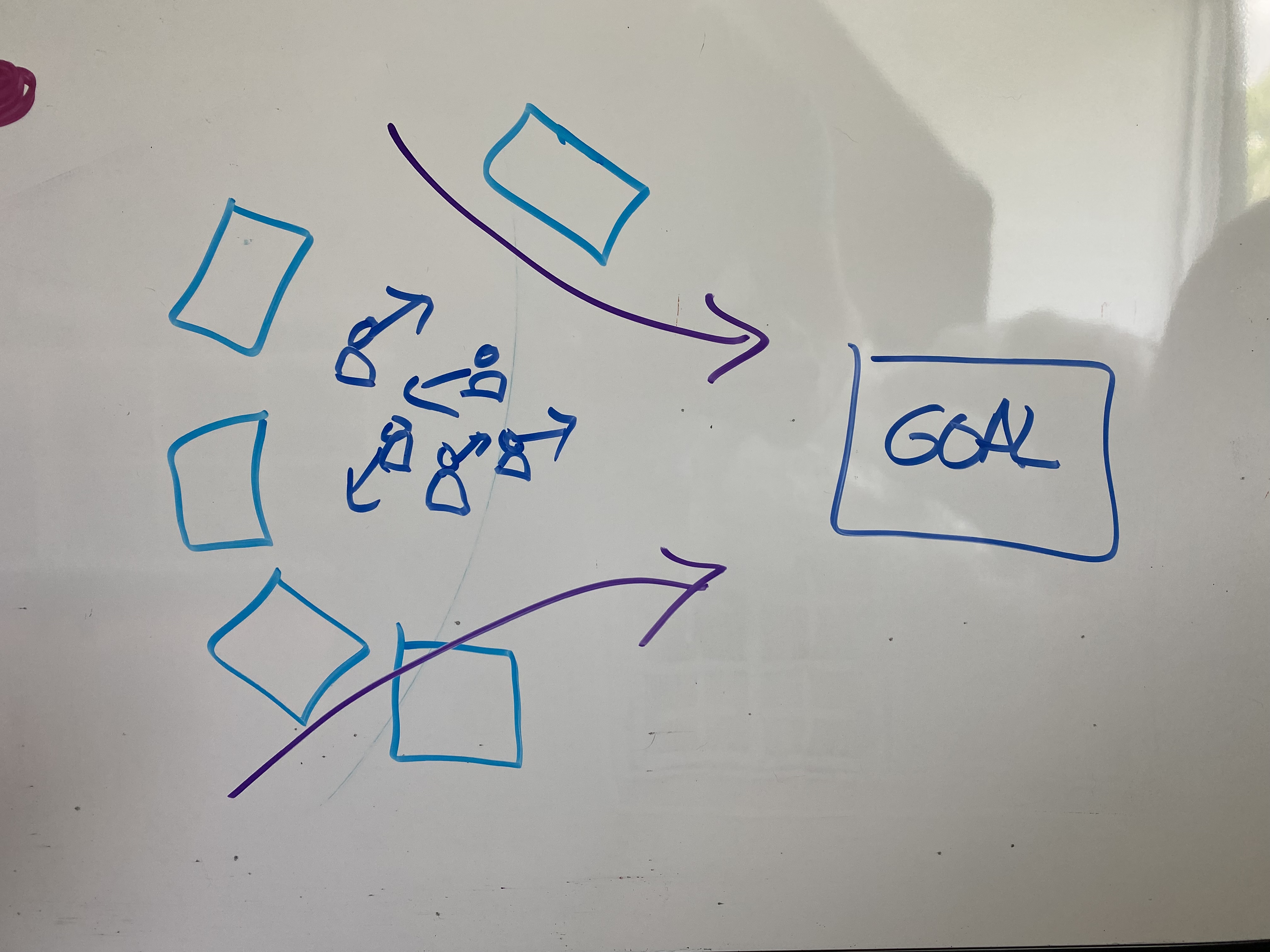
A repeatable process identifies needs, designs scalable systems, operationalizes them, trains others, and iterates through feedback loops.
This domain is valuable because it makes meaning itself legible as a system. Information has to be structured, sequenced, distributed, interpreted, and reinforced before it changes what people do.
That transfer matters across nearly everything else. Better narrative, knowledge, and communication design usually make technical, organizational, and commercial systems easier to adopt and sustain. This domain gets more useful when it is compared with adjacent systems instead of being treated as a silo. That is where reusable judgment starts to form.
How deep understanding and practical judgment improve decisions and outcomes.

A working collection of pages about the qualities, conditions, and forms of leverage that compound value across people, teams, and organizations.