
Michael Orlando
The personal site of Michael Orlando — systems builder across technology, operations, and ventures. Case studies, writing, current focus, and how to collaborate.
Knowledge management systems
Repositories and structures store, organize, and surface information for reuse, alignment, and decision support.
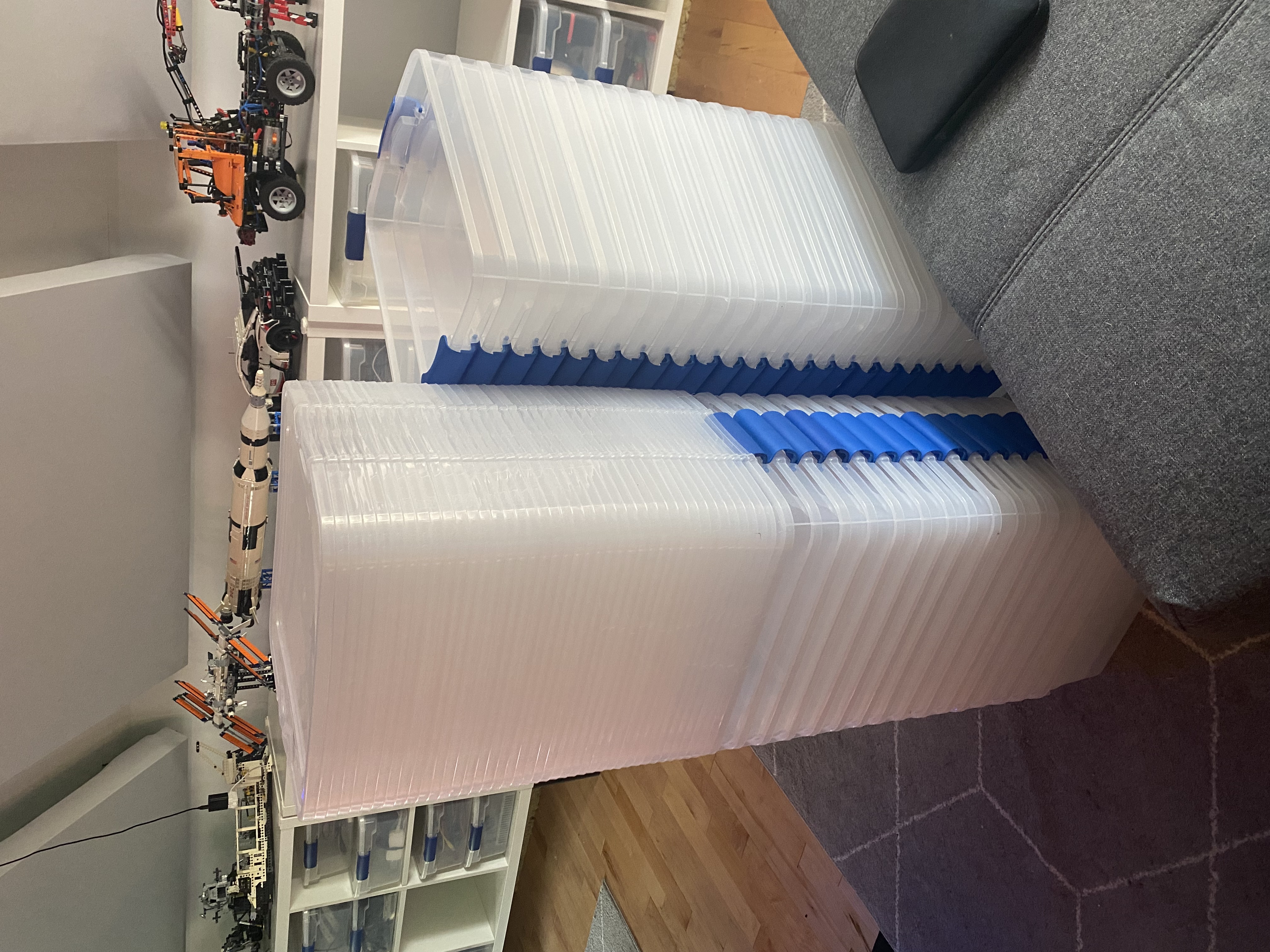
Repositories and structures store, organize, and surface information for reuse, alignment, and decision support.
This domain is valuable because it makes meaning itself legible as a system. Information has to be structured, sequenced, distributed, interpreted, and reinforced before it changes what people do.
That transfer matters across nearly everything else. Better narrative, knowledge, and communication design usually make technical, organizational, and commercial systems easier to adopt and sustain. This domain gets more useful when it is compared with adjacent systems instead of being treated as a silo. That is where reusable judgment starts to form.
The personal site of Michael Orlando — systems builder across technology, operations, and ventures. Case studies, writing, current focus, and how to collaborate.
Structures organize information into stories that shape understanding, memory, and engagement.

Teaching is the practice of helping others acquire knowledge or skills.
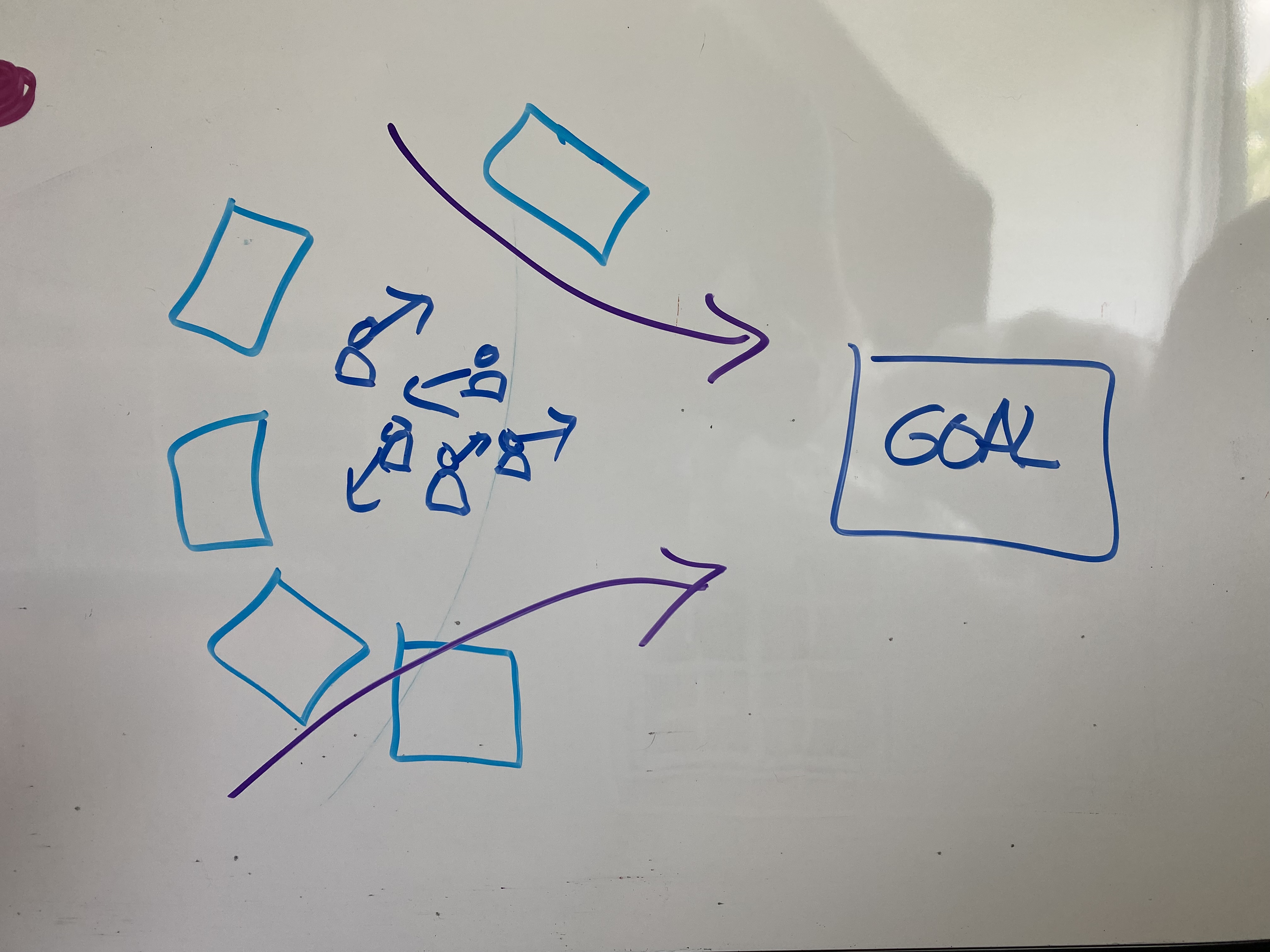
Technical Documentation is the creation of structured materials explaining systems and processes.

This page reflects what I am actively learning right now.

This page is a place for the ideas that are actively occupying my attention.

Structured methods turn work into reusable artifacts such as case studies, SOPs, templates, and playbooks that both operate systems and teach them.
Frameworks structure and deliver educational content in modular, progressive formats.
Channels and strategies deliver content to target audiences across platforms and formats.
Systems define how information is structured through categories, tags, and hierarchies so it can be navigated, reused, and scaled.