Content production systems
Processes create, edit, review, and package media assets at scale.
Knowledge management systems
Repositories and structures store, organize, and surface information for reuse, alignment, and decision support.
Repositories and structures store, organize, and surface information for reuse, alignment, and decision support.
This domain is valuable because it makes meaning itself legible as a system. Information has to be structured, sequenced, distributed, interpreted, and reinforced before it changes what people do.
That transfer matters across nearly everything else. Better narrative, knowledge, and communication design usually make technical, organizational, and commercial systems easier to adopt and sustain. This domain gets more useful when it is compared with adjacent systems instead of being treated as a silo. That is where reusable judgment starts to form.
Processes create, edit, review, and package media assets at scale.
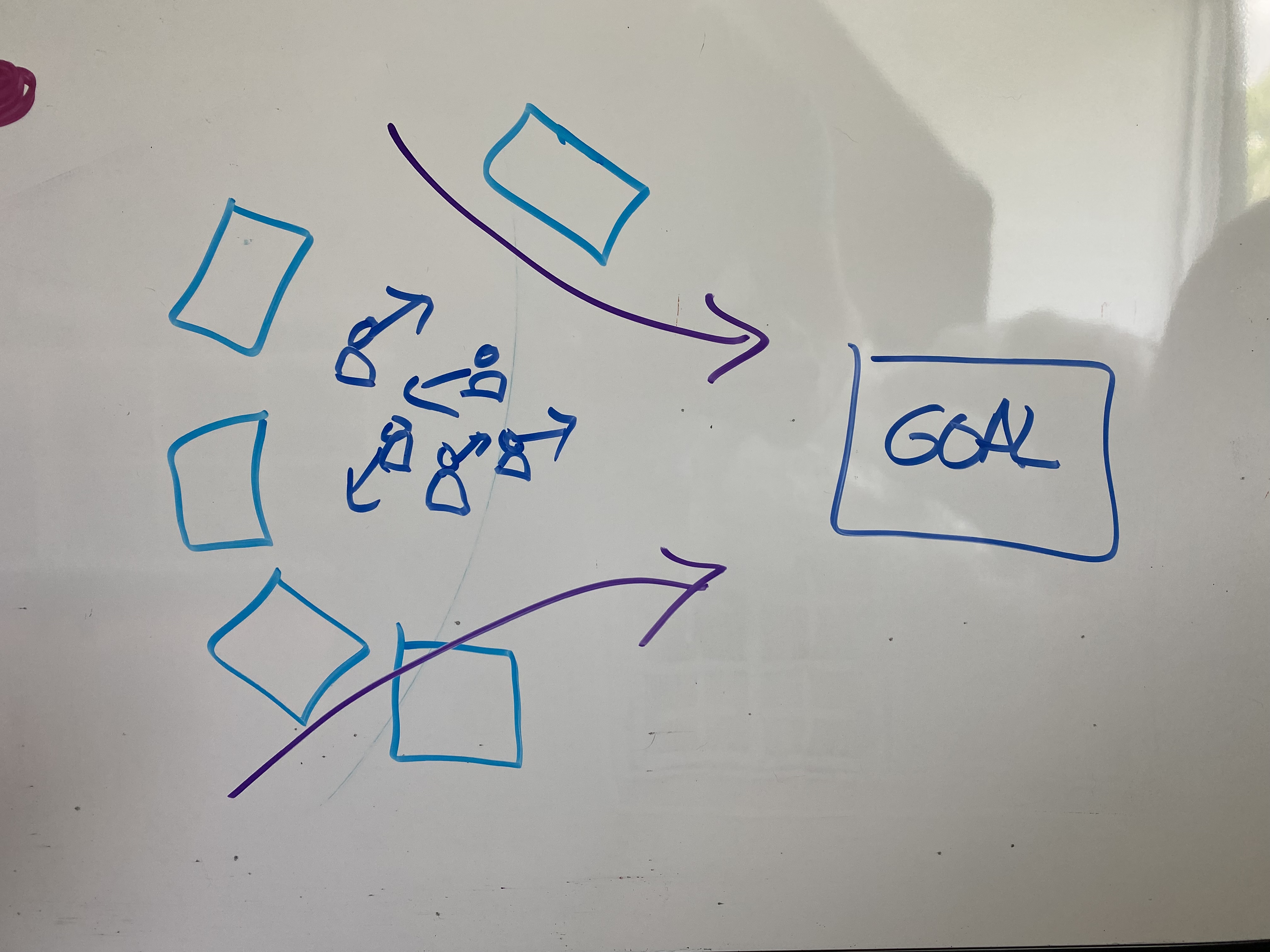
A repeatable process identifies needs, designs scalable systems, operationalizes them, trains others, and iterates through feedback loops.

Frameworks organize entities, data, and knowledge using layered classification models such as categories, tags, and controlled vocabularies.
Atlassian Confluence is a team collaboration and documentation platform.

Google Workspace is a cloud productivity suite including email, storage, and collaboration tools.
A practical operating pattern for organizing work and life around clearly defined topics so tools, spaces, and responsibilities stay aligned.
Coherent identity frameworks define messaging, visuals, and positioning over time.
Notion is a workspace tool for notes, docs, and project organization.
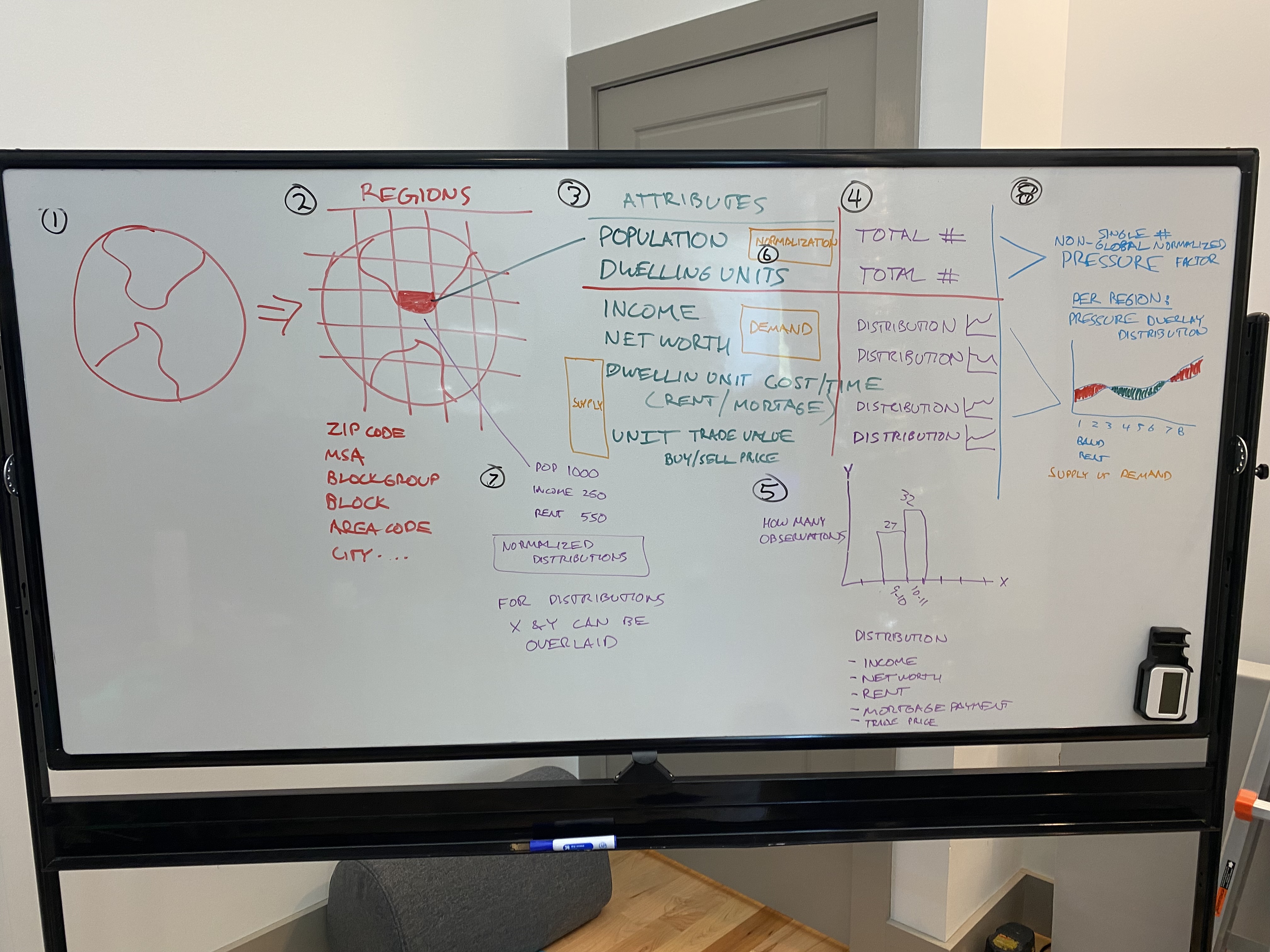
Methods group users by attributes or behavior so messaging, products, or experiences can be tailored.

How the systems I use to remember people, maintain context, and reduce relationship decay over time.