
A Personal Website Is A Trust-And-Routing System
Why a serious personal website should do more than introduce a person: it should build trust, create legibility, and route different audiences toward the right next step.
Section
Writing that makes the systems behind the work easier to see, not just the outcomes.
This section exists to show the thinking, not just the results. It is where essays, reusable frameworks, and lighter notes can sit next to each other without pretending they all do the same job.
The initial structure can stay practical and close to the strategy document:
Those categories are useful because they keep the breadth interpretable. They answer not just what I have touched, but how the work fits together.
At the moment, this area is still early, but it already includes a clearer cornerstone essay: Operating Philosophy. That page makes the underlying values behind the work explicit, especially around stewardship, sustainability, trust, and long-term value creation.
It also includes one more developed cluster: Systems Across Domains. That section is designed to show why understanding many substrates is valuable, and to make the recurring systems lens more legible across technical, organizational, market, media, and personal domains.
New cornerstone essays are beginning to make the broader approach more explicit:
As this grows, it should hold a mix of cornerstone essays, shorter notes, case reflections, public frameworks, and a few durable FAQs.
This section now includes a handful of real pages that establish the shape of the writing:
If you are looking for the broader context first, start with About. If you are looking for current focus, read Now. If you are looking for collaboration, go to Collaborate.
The strongest public writing trail today is on Medium, with a lighter public presence also visible on Substack. Those external surfaces help reinforce the same message this section is meant to carry: the work is not only about building, but also about explaining how the systems work.
Why a serious personal website should do more than introduce a person: it should build trust, create legibility, and route different audiences toward the right next step.
A practical model for moving from confusion and scattered context toward legible systems, trained teams, and working operating structure.
Why lists of tools, projects, and interests rarely explain much, and how to turn raw facts into meaningful signals.
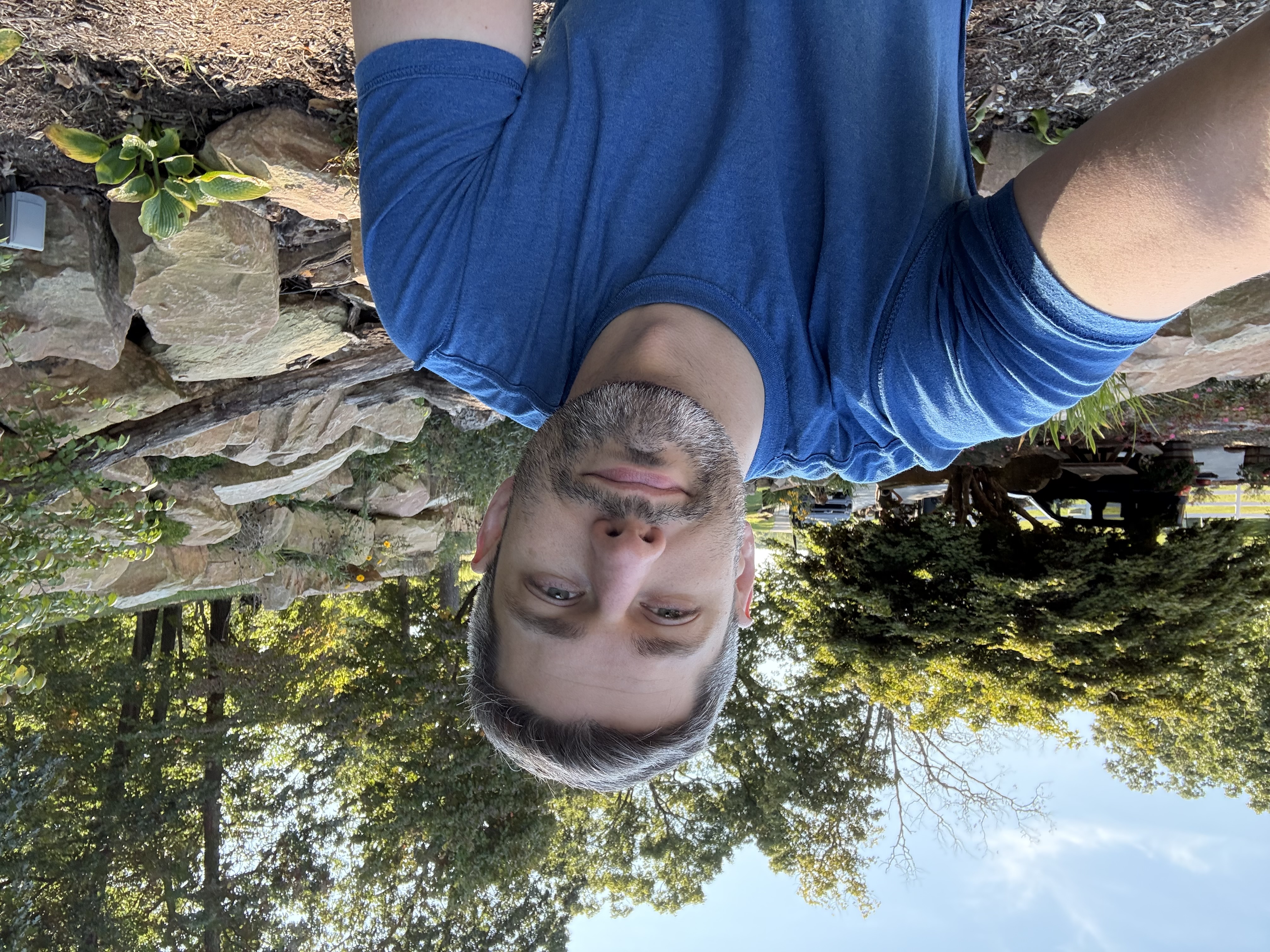
A public statement of the principles, decision filters, and long-horizon biases behind Michael Orlando's work.
Why people doing cross-domain, multi-role work need a layered public surface rather than one flat narrative.
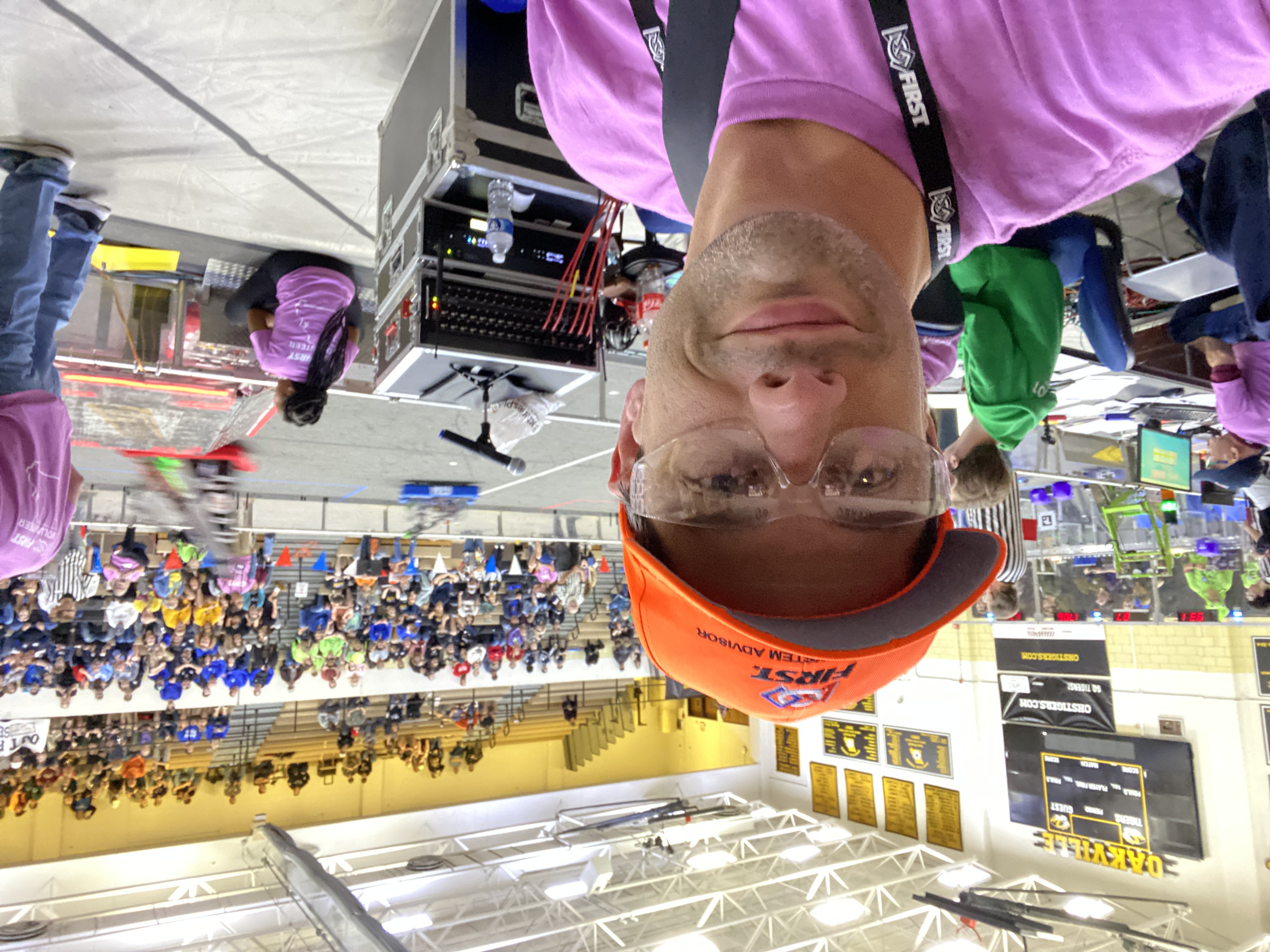
Why the most durable way to transfer understanding is often to build something concrete, explain it clearly, and train others to own it.