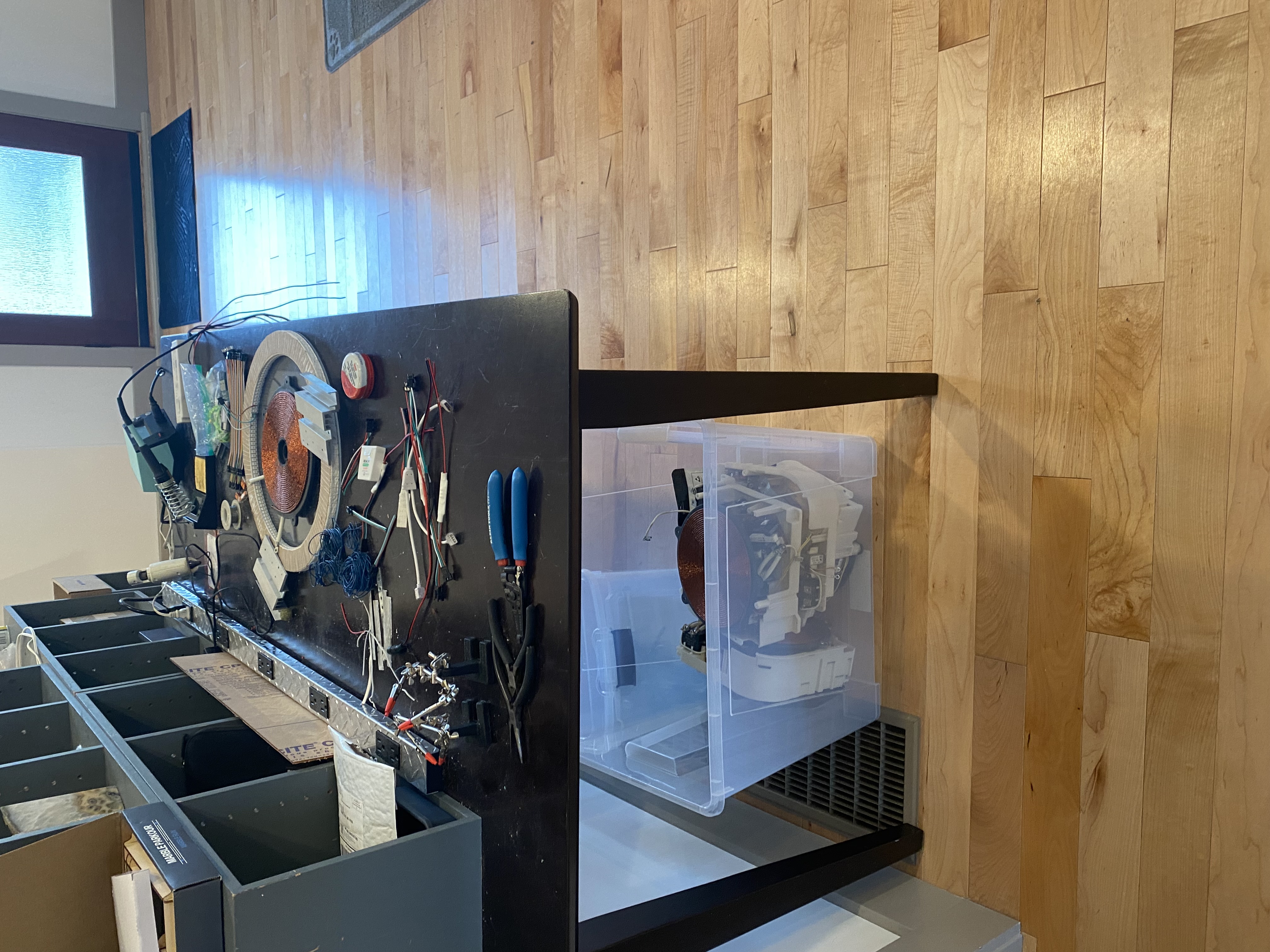
Hand Tools (General Use)
Hand Tools (General Use) is a manual tools used to construct, repair, or modify physical systems.
Manufacturing Systems
Systems manage production, materials, workflows, and capacity in physical goods environments.
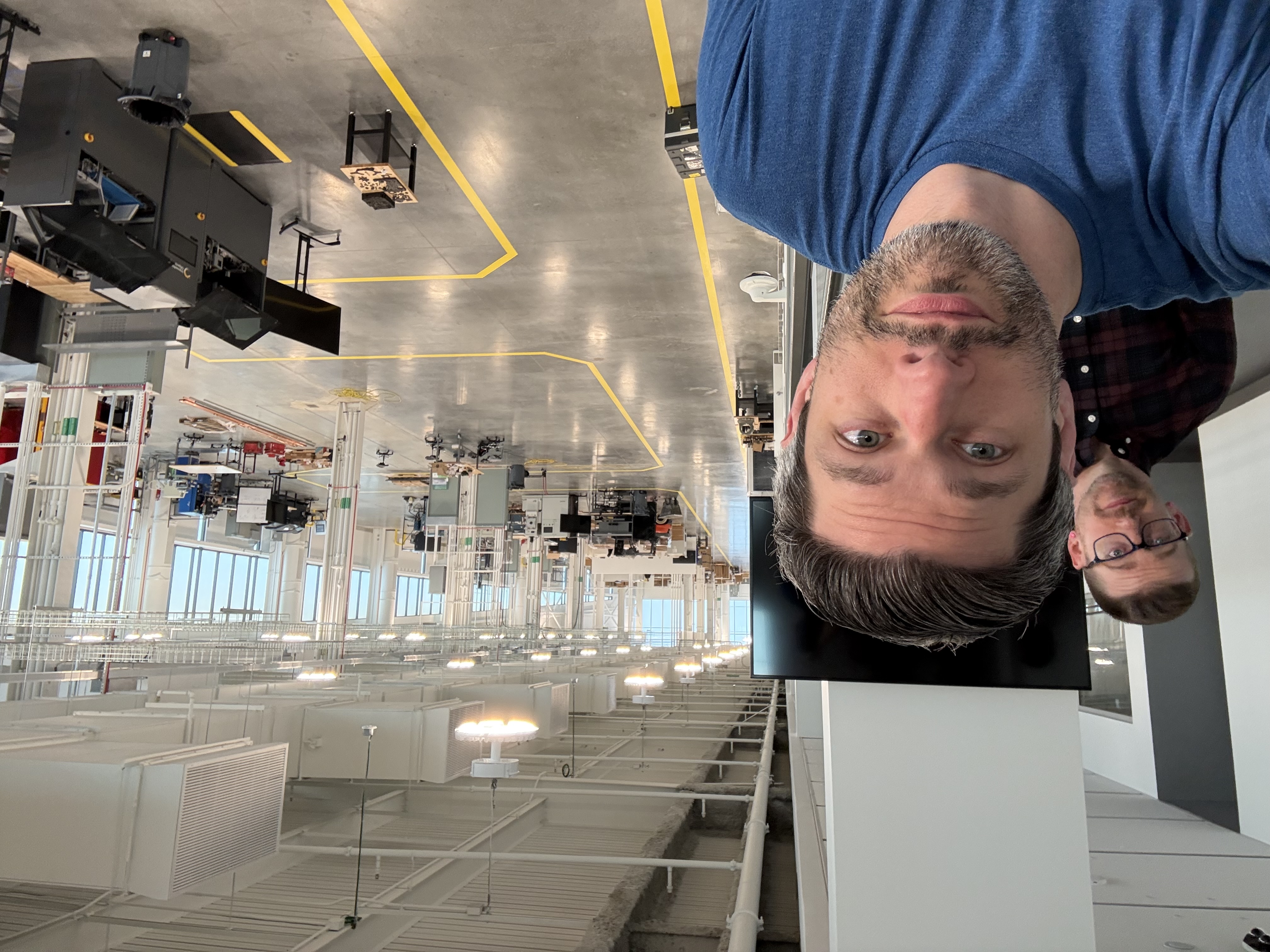
Systems manage production, materials, workflows, and capacity in physical goods environments.
This domain is valuable because physical and infrastructure systems make constraints legible. They show how components fit together, where tolerance matters, how failure propagates, and what it takes to keep an assembly reliable over time.
The broader payoff is transfer. Once you learn to see interfaces, bottlenecks, and feedback in a physical substrate, you get better at spotting the same patterns in software, organizations, and markets. This domain gets more useful when it is compared with adjacent systems instead of being treated as a silo. That is where reusable judgment starts to form.
Hand Tools (General Use) is a manual tools used to construct, repair, or modify physical systems.
Industrial Automation is the use of control systems to operate industrial processes with minimal human intervention.
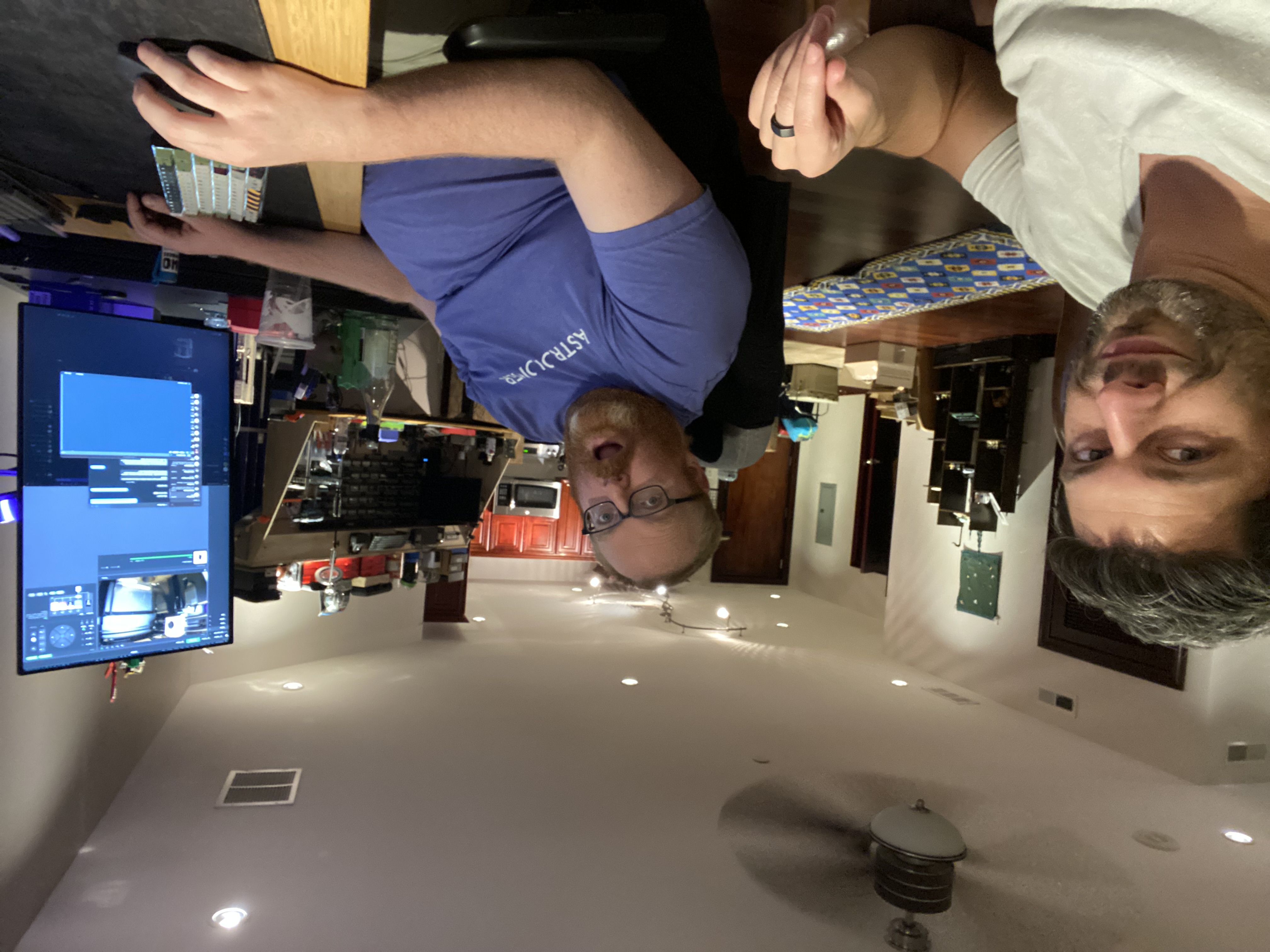
Industrial Design is the design of products focusing on usability, aesthetics, and manufacturability.
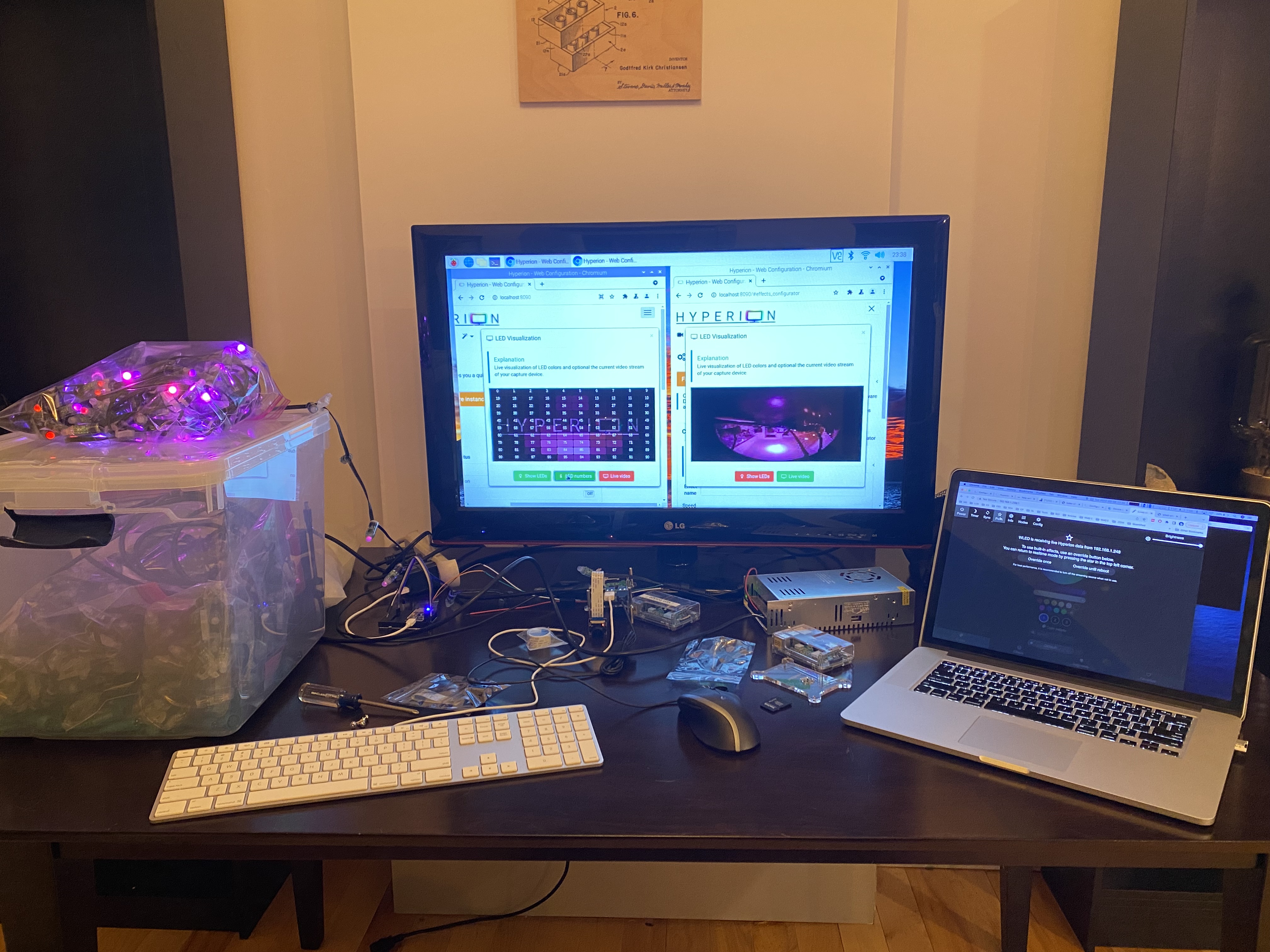
A portable, wearable LED display built into a backpack — same individually addressable technology as the house projects, but with battery power, outdoor visibility, and durability constraints.
A collection of LED builds spanning room lighting, wearables, and portable displays — the same individually addressable technology applied across very different physical and operational constraints.
A full-body wearable LED suit — programmable, camera-equipped, and built entirely by hand — that taught more about power budgets, wearable ergonomics, and heat dissipation than any datasheet.
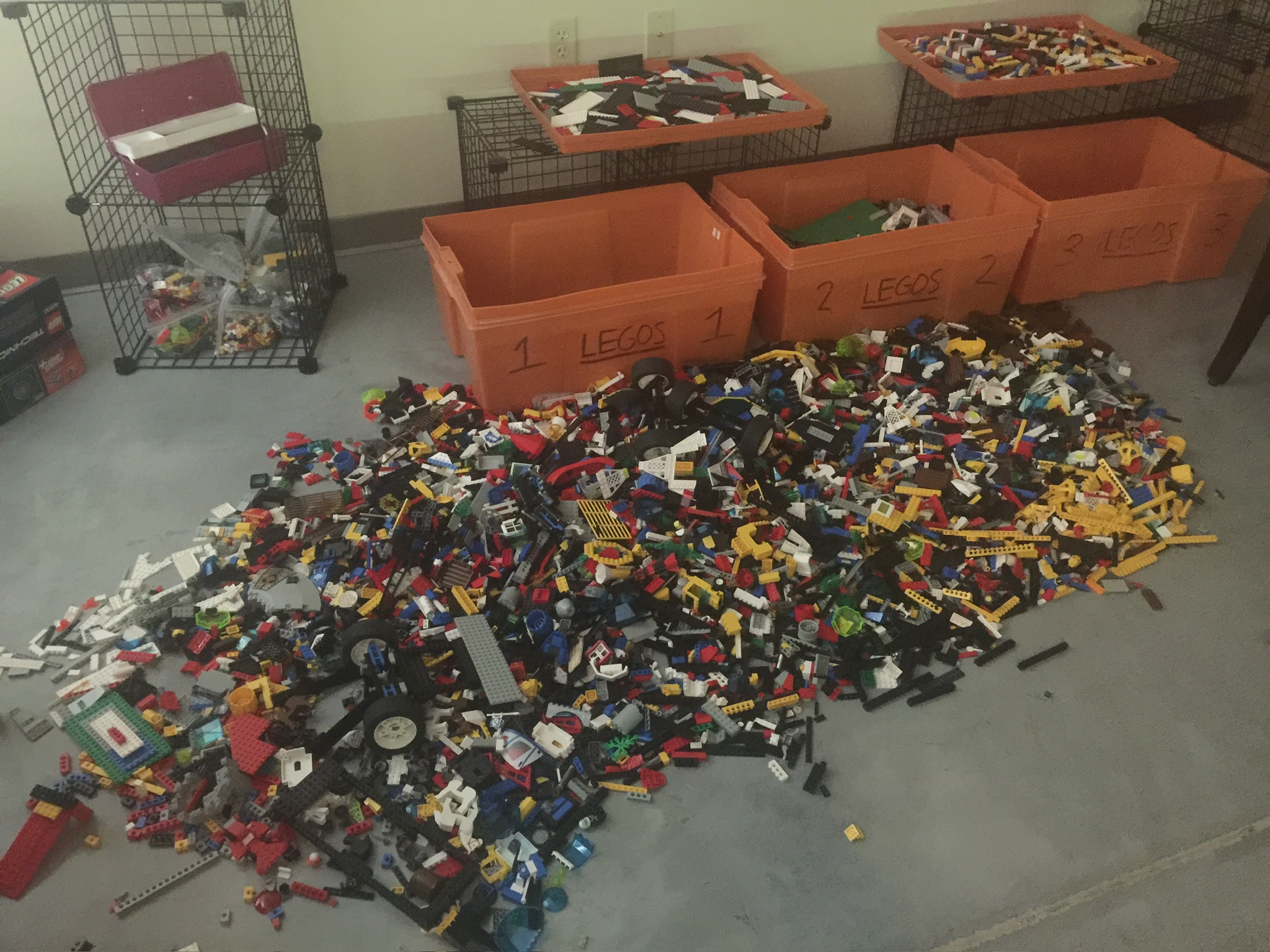
Projects where hands meet materials — woodworking, electronics, mechanical assembly, and the satisfaction of building something that functions in the physical world.
AutoCAD is a software for computer-aided design and drafting.
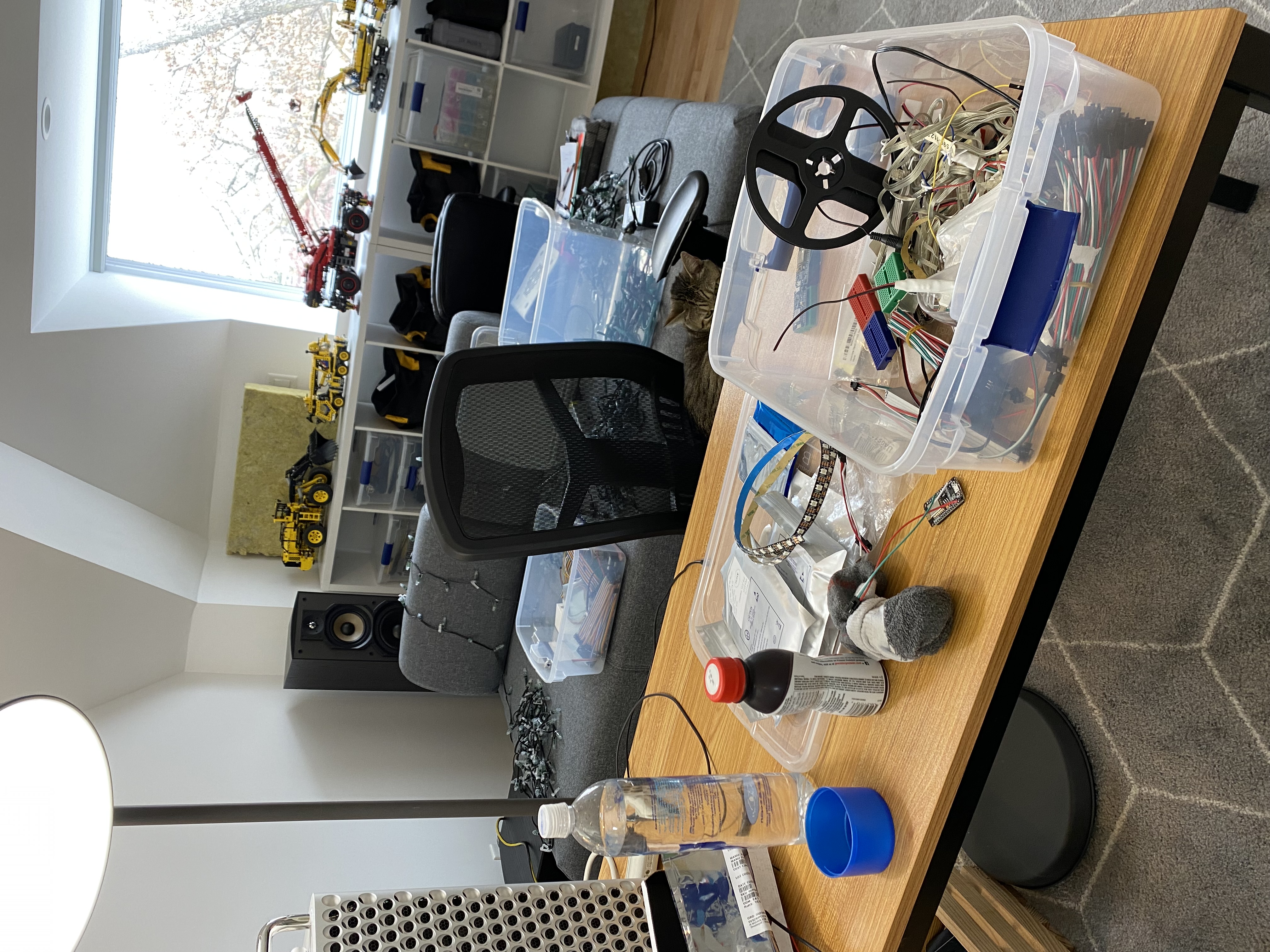
Working with tools and materials has been part of how I learn to build since junior high shop class first set me on that path.
A vision-based robot control system using National Instruments hardware and LabVIEW — the robot sees, decides, and acts — with lessons that transferred directly to later data pipeline and real-time processing work.