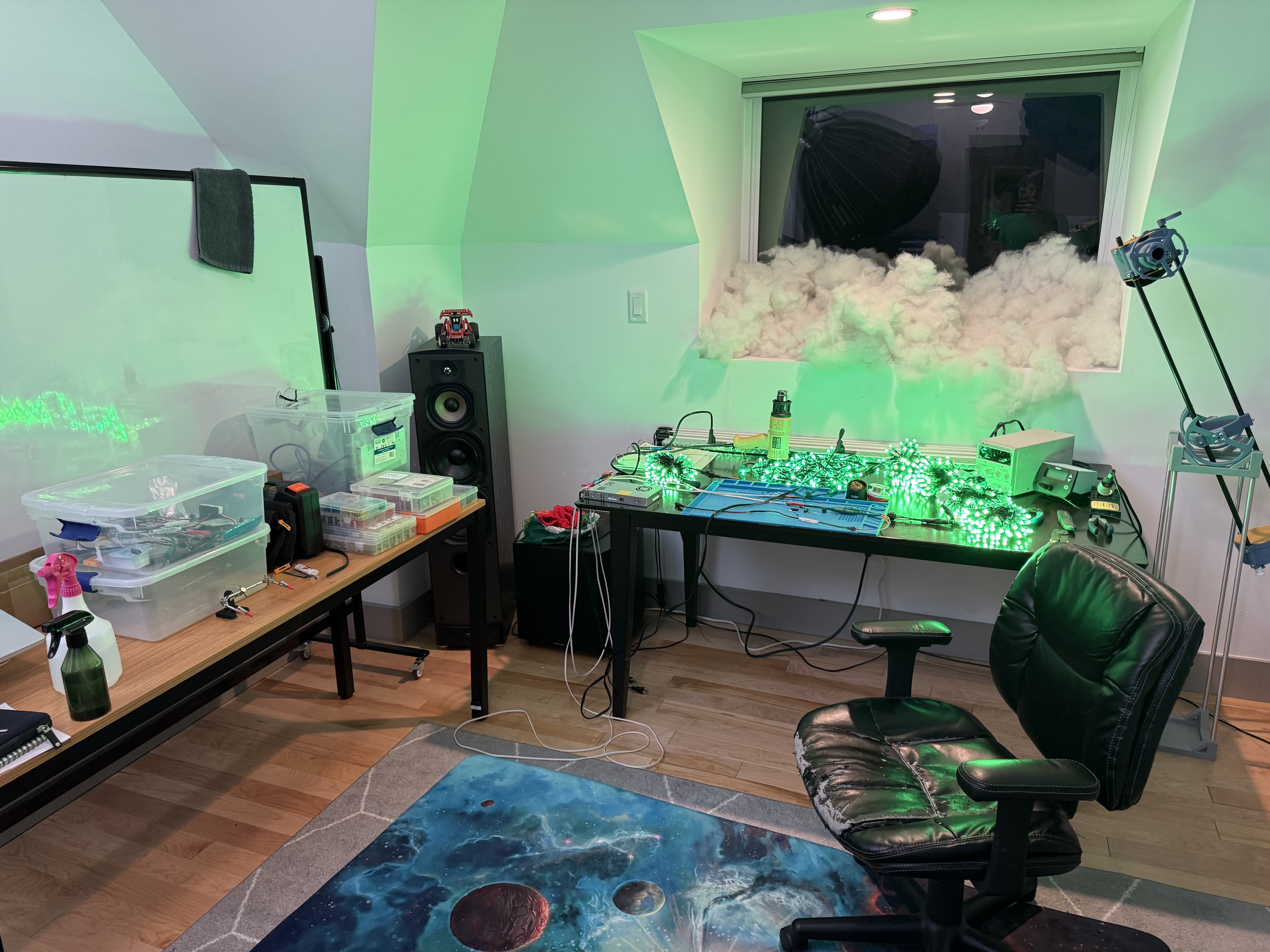
Electrical engineering systems
Circuits control current and voltage to perform computation, signaling, and power distribution across components and boards.
Industrial Design
Industrial Design is the design of products focusing on usability, aesthetics, and manufacturability.
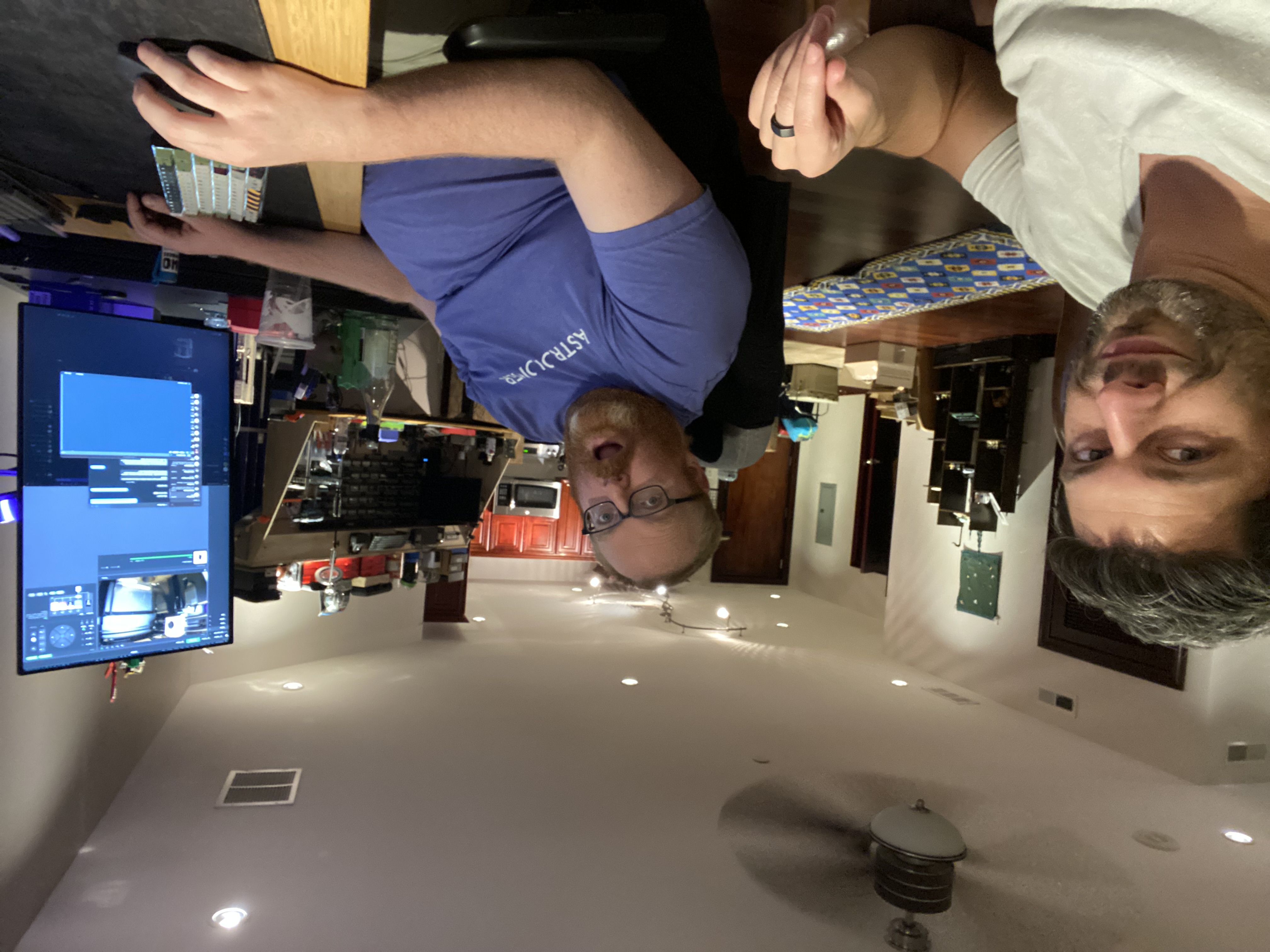
Industrial Design is the design of products focusing on usability, aesthetics, and manufacturability. On this site, it matters because it transfers across technical, operational, and venture work instead of staying trapped in one narrow context.
Learn more: https://en.wikipedia.org/wiki/Industrial_design
Circuits control current and voltage to perform computation, signaling, and power distribution across components and boards.
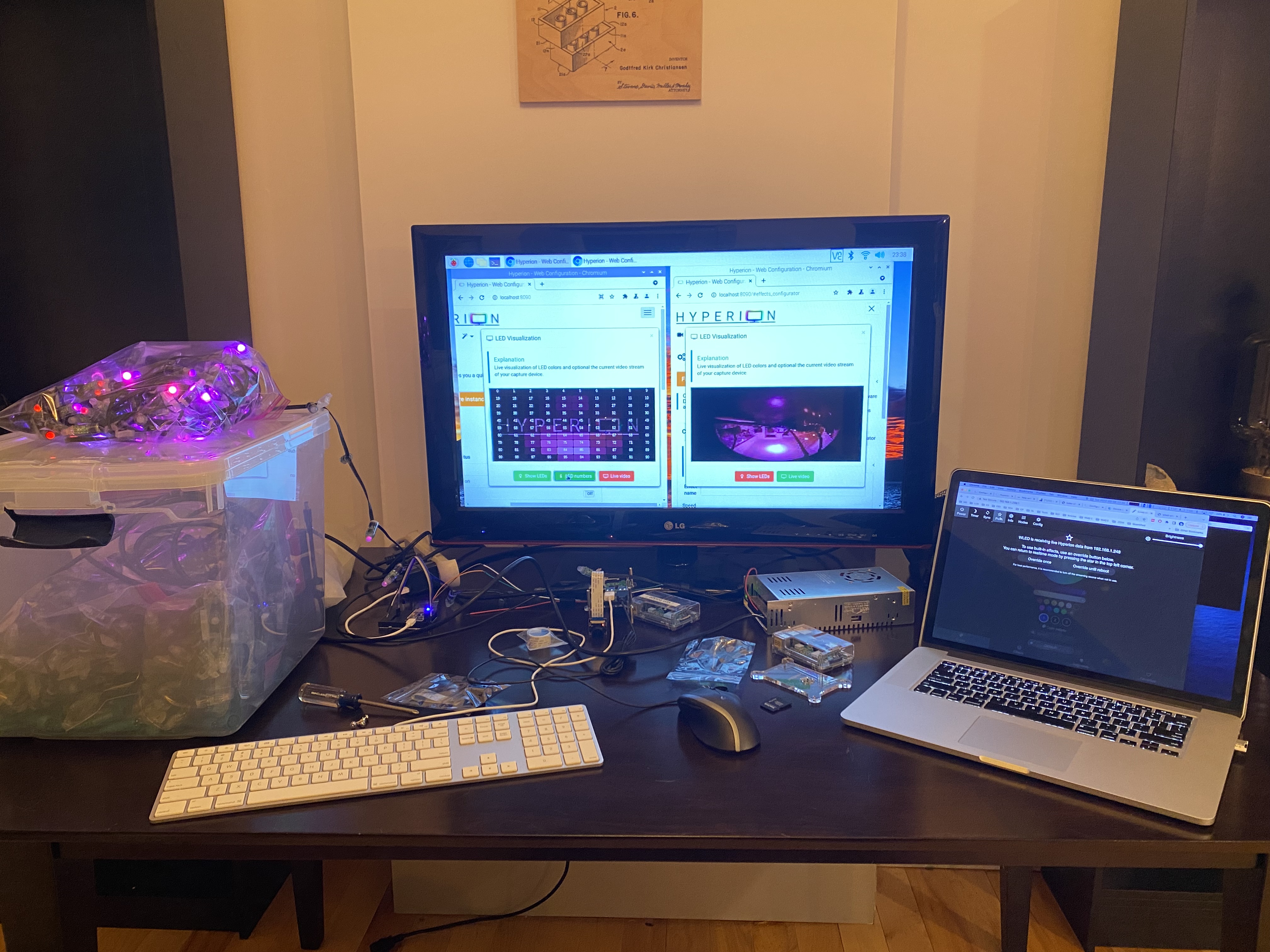
A portable, wearable LED display built into a backpack — same individually addressable technology as the house projects, but with battery power, outdoor visibility, and durability constraints.
A collection of LED builds spanning room lighting, wearables, and portable displays — the same individually addressable technology applied across very different physical and operational constraints.
A full-body wearable LED suit — programmable, camera-equipped, and built entirely by hand — that taught more about power budgets, wearable ergonomics, and heat dissipation than any datasheet.
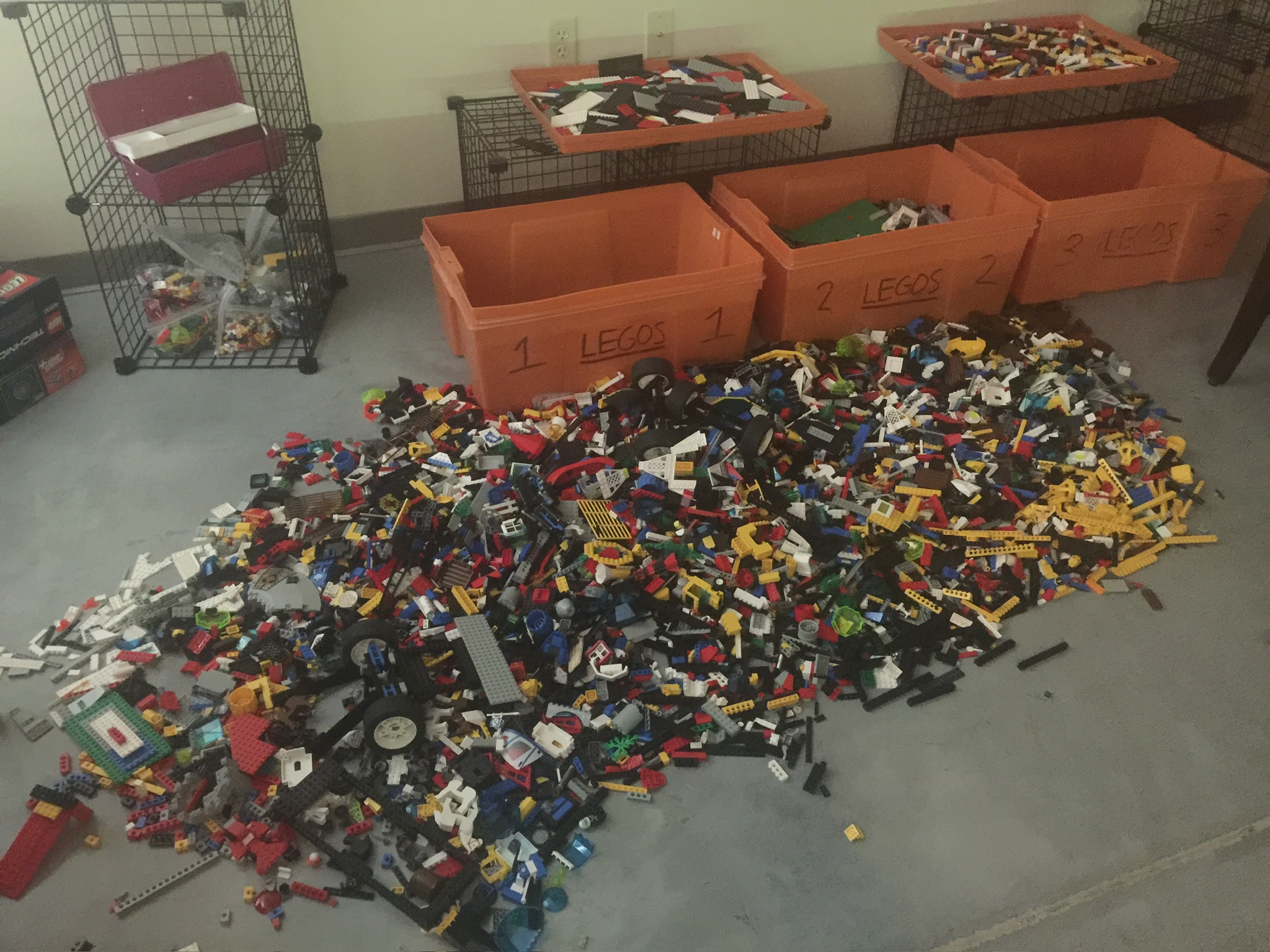
Projects where hands meet materials — woodworking, electronics, mechanical assembly, and the satisfaction of building something that functions in the physical world.
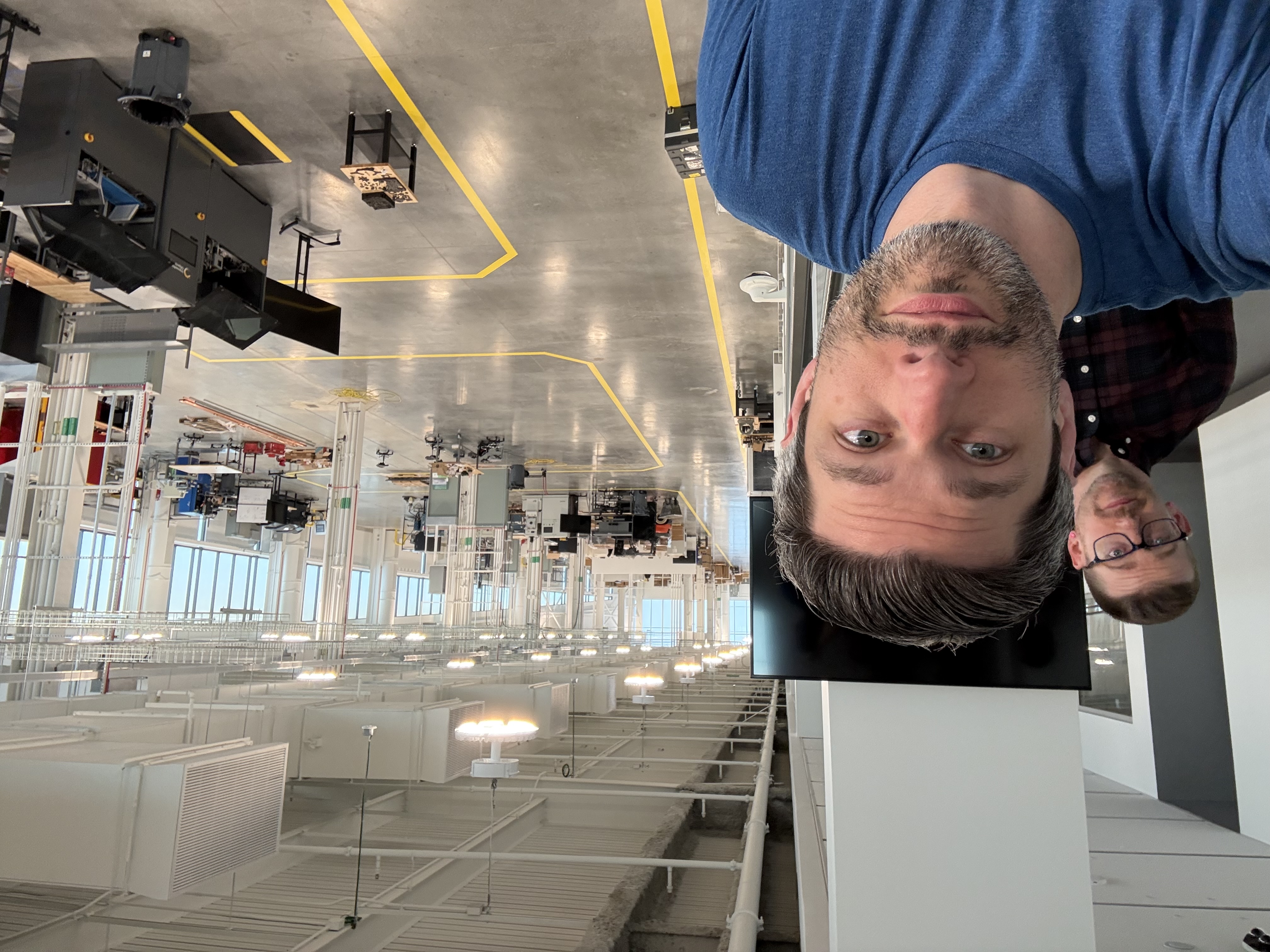
Systems manage production, materials, workflows, and capacity in physical goods environments.
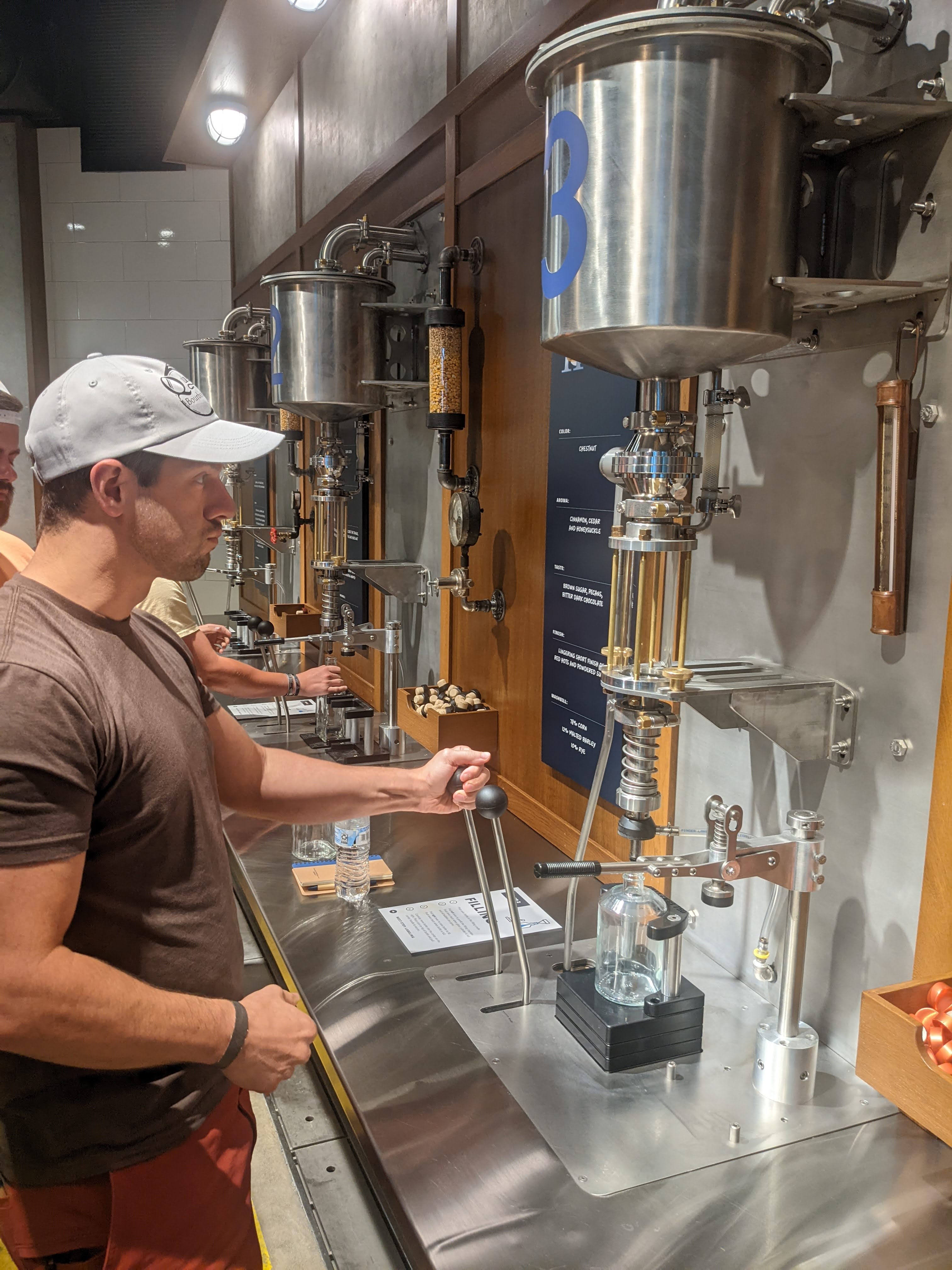
Physical assemblies transfer force and motion through components such as gears and actuators under constraints of energy, friction, and material properties.
AutoCAD is a software for computer-aided design and drafting.
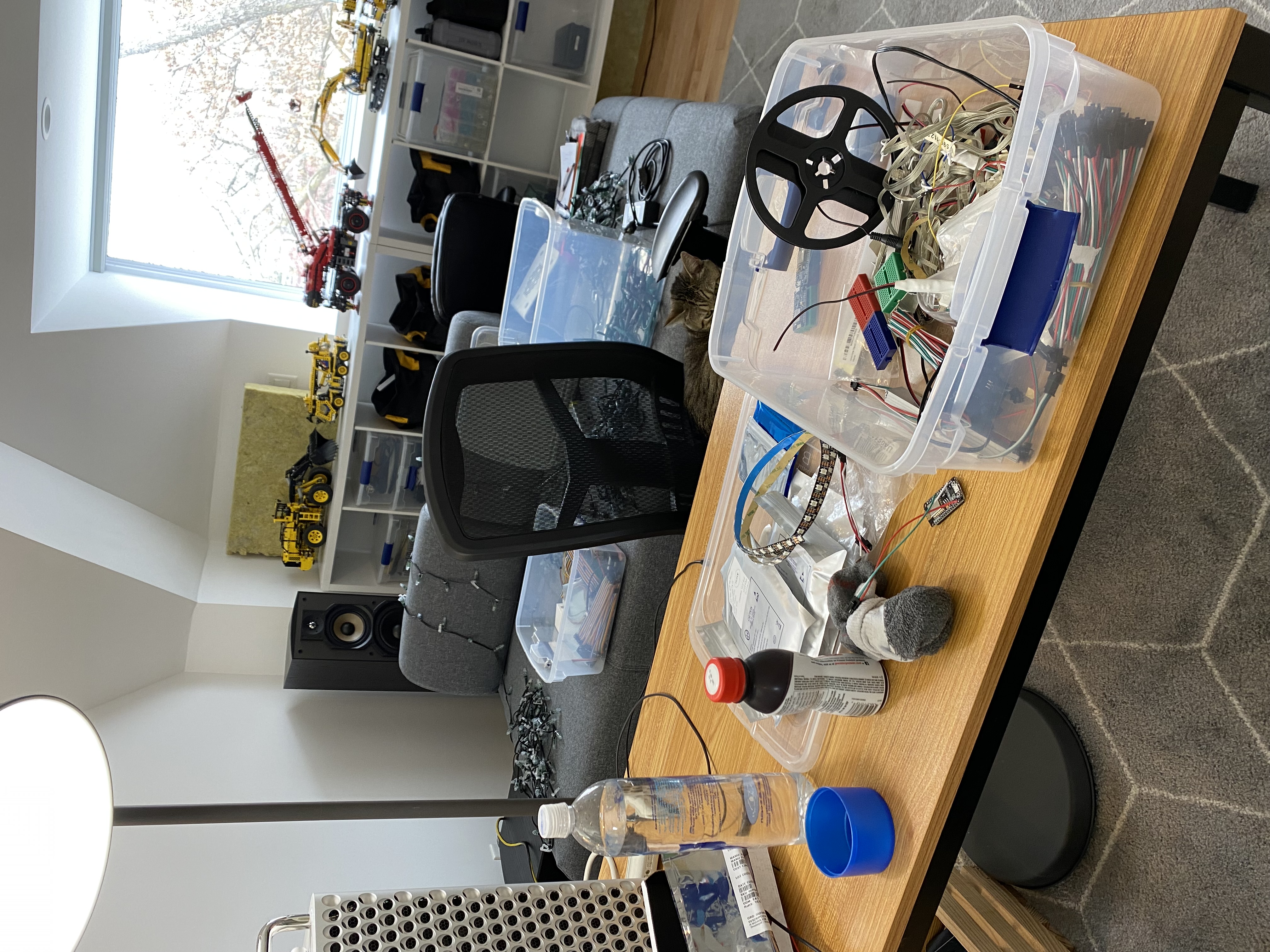
Working with tools and materials has been part of how I learn to build since junior high shop class first set me on that path.
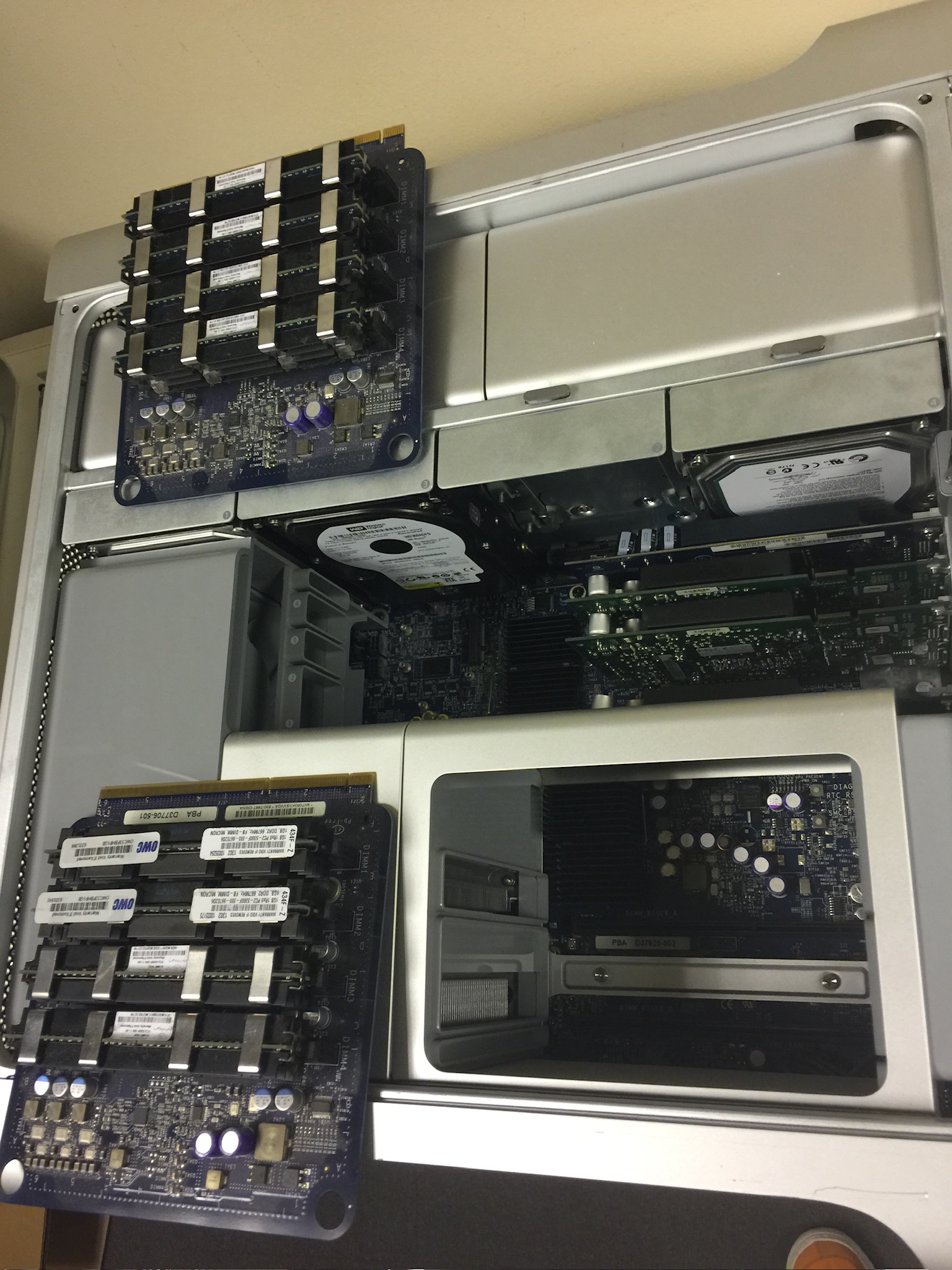
Physical machines such as CPUs, GPUs, memory, and storage execute instructions under constraints of heat, power, and architecture-level parallelism.