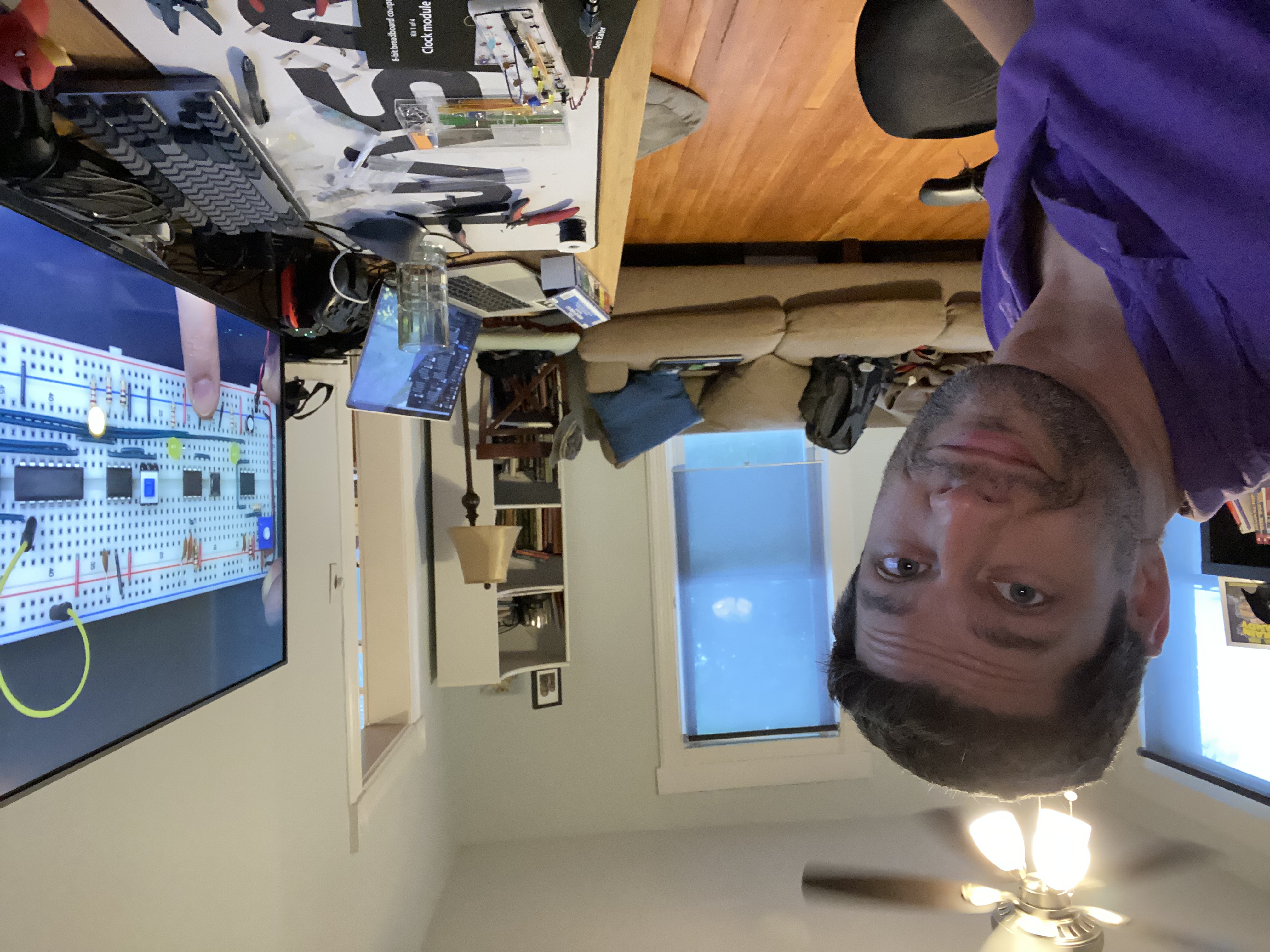
Electronics
Electronics is the design and application of circuits and systems using electronic components.
Electrical engineering systems
Circuits control current and voltage to perform computation, signaling, and power distribution across components and boards.
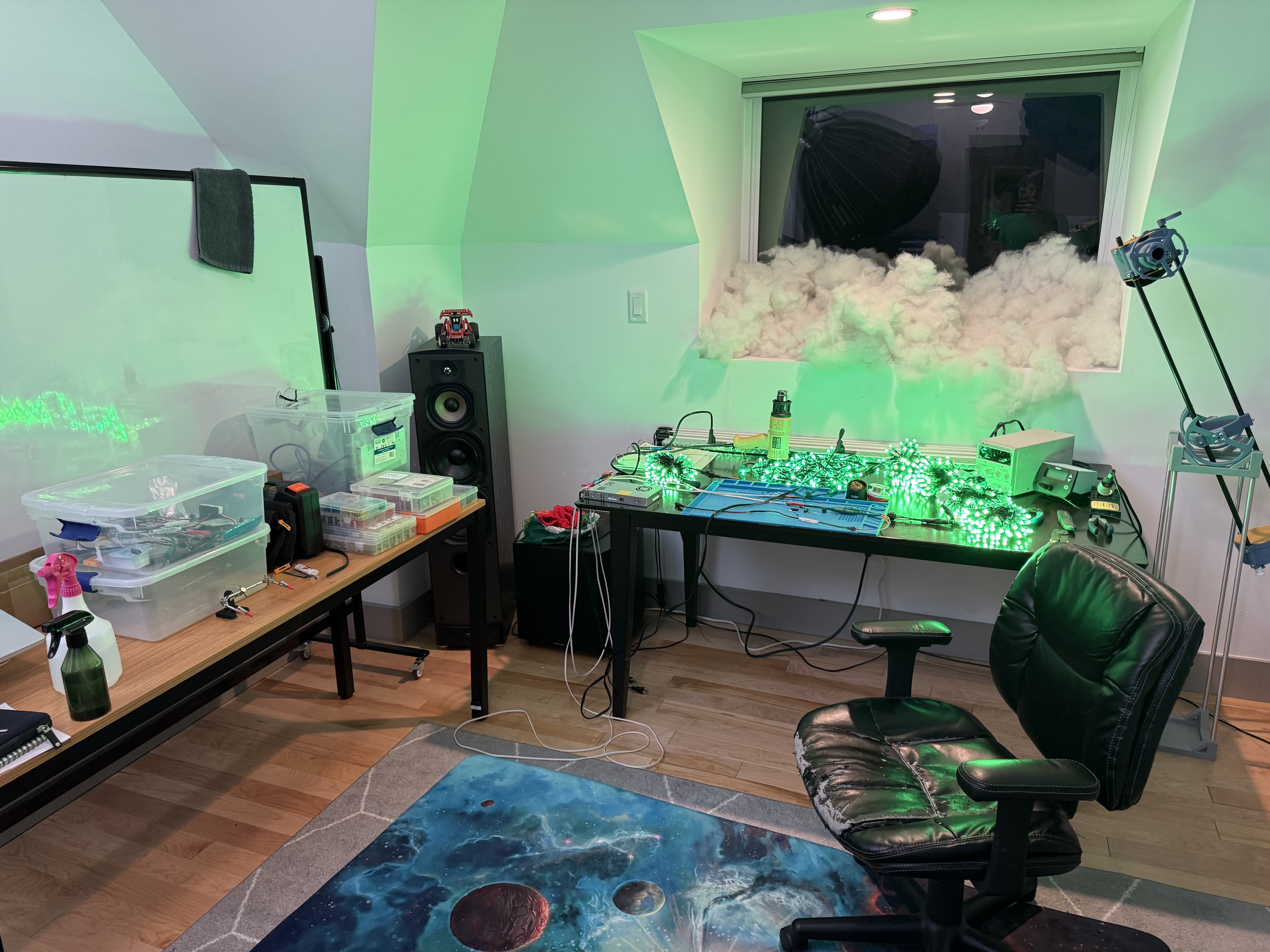
Circuits control current and voltage to perform computation, signaling, and power distribution across components and boards.
This domain is valuable because physical and infrastructure systems make constraints legible. They show how components fit together, where tolerance matters, how failure propagates, and what it takes to keep an assembly reliable over time.
The broader payoff is transfer. Once you learn to see interfaces, bottlenecks, and feedback in a physical substrate, you get better at spotting the same patterns in software, organizations, and markets. This domain gets more useful when it is compared with adjacent systems instead of being treated as a silo. That is where reusable judgment starts to form.
Electronics is the design and application of circuits and systems using electronic components.
Industrial Automation is the use of control systems to operate industrial processes with minimal human intervention.
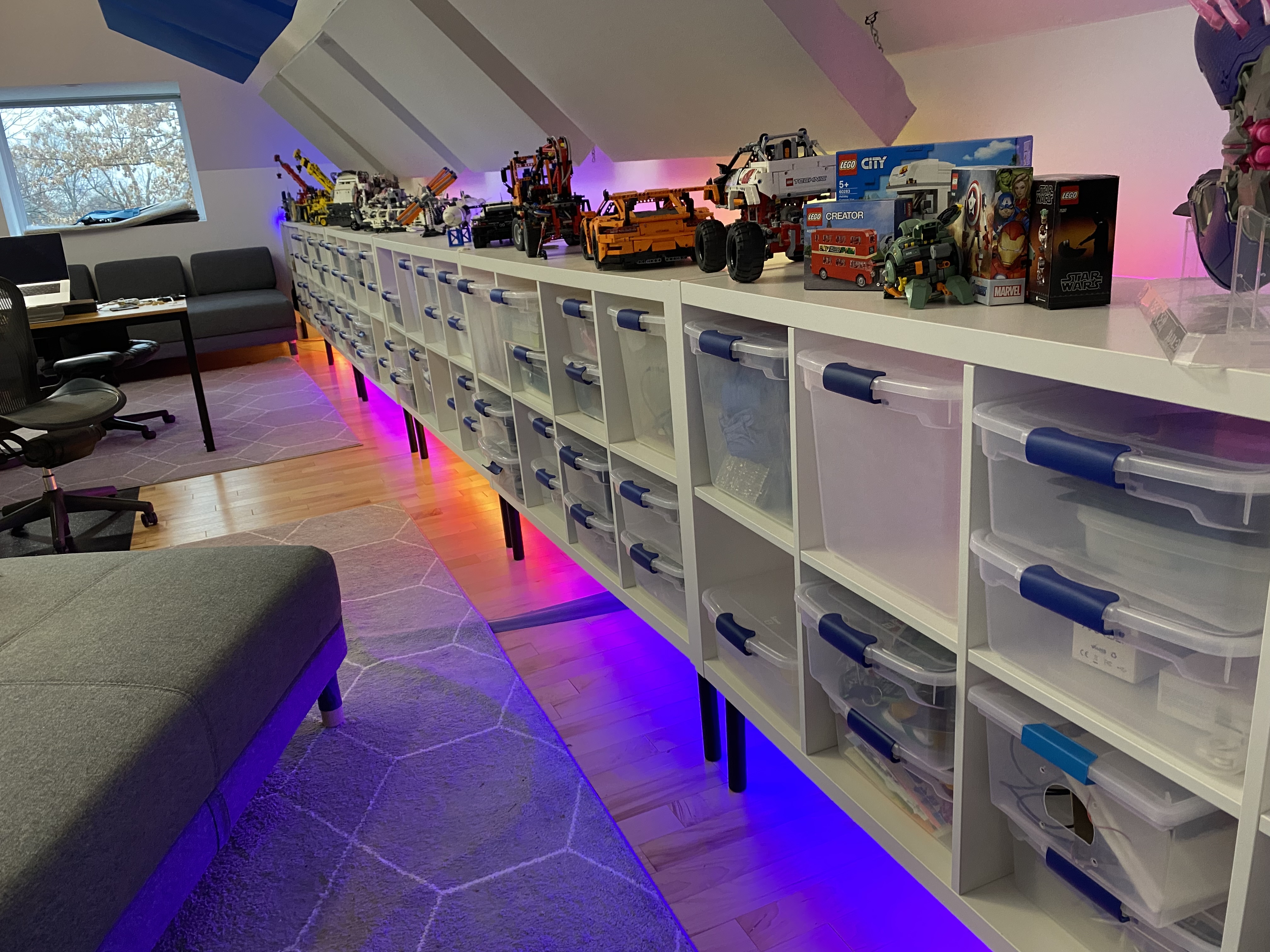
The third room in the Magnolia LED rollout, introducing physical constraints around heat, grease, and the need for actually useful task lighting.
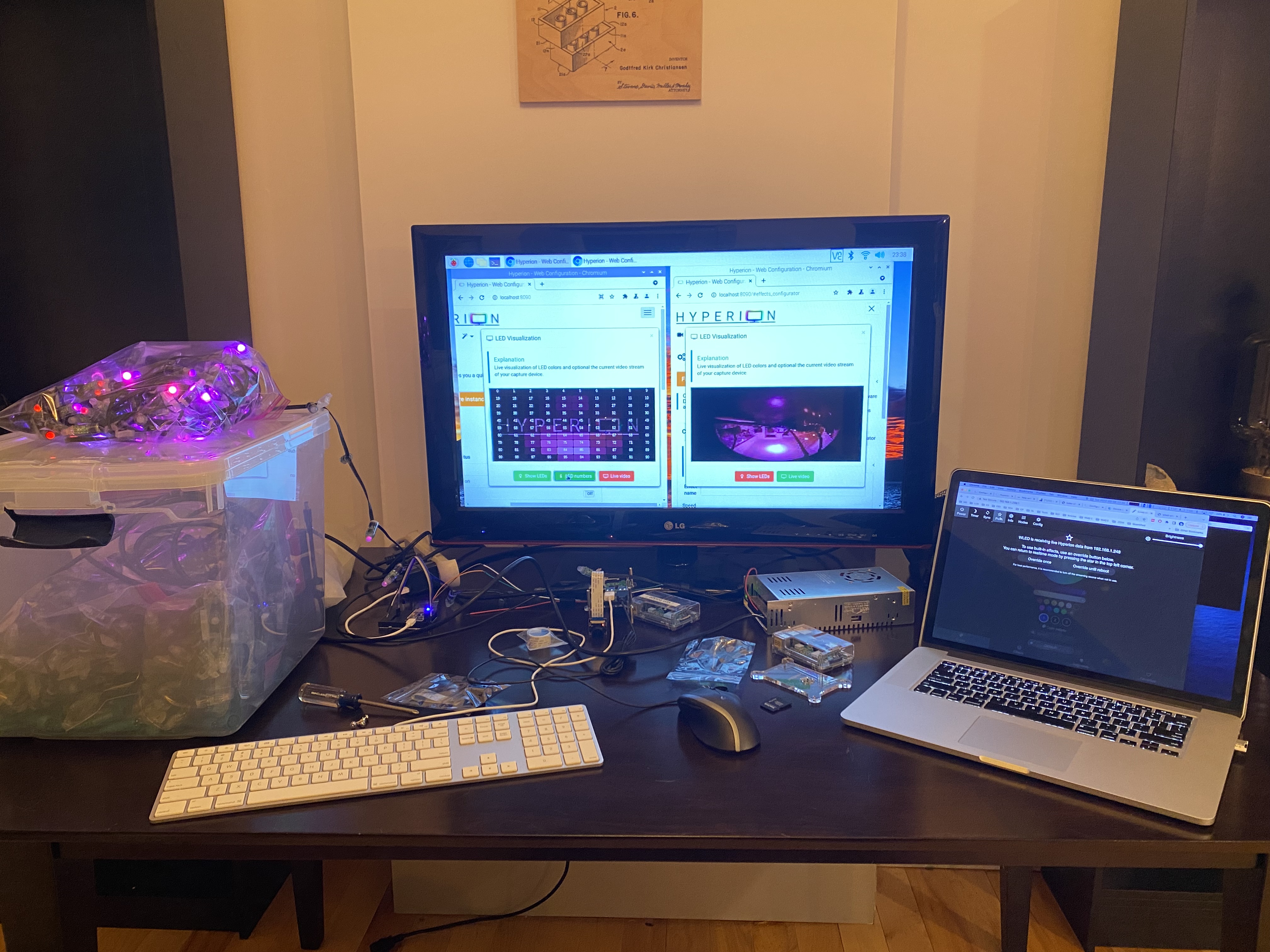
A portable, wearable LED display built into a backpack — same individually addressable technology as the house projects, but with battery power, outdoor visibility, and durability constraints.
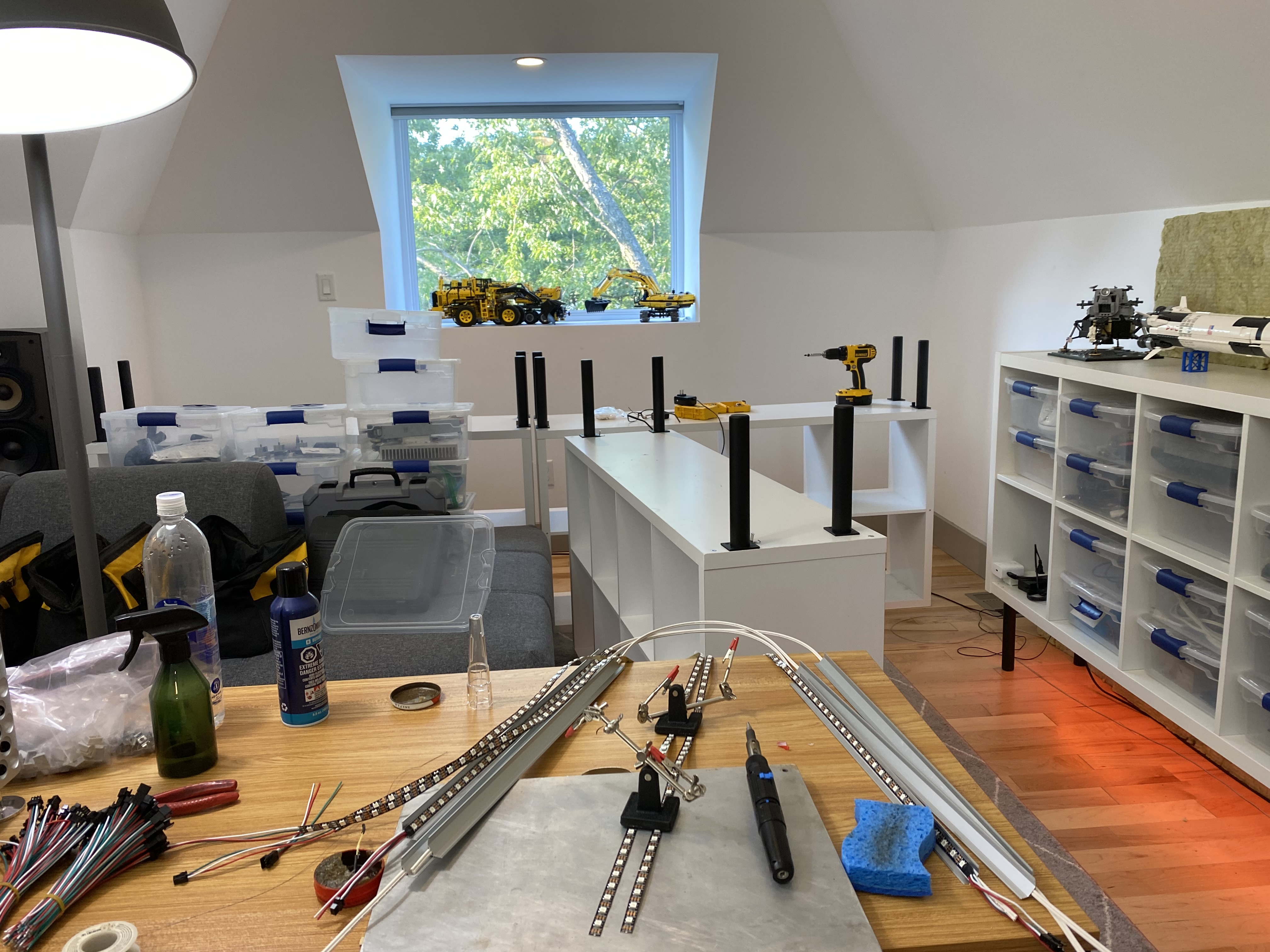
Soft baseboard lighting using the WLED ecosystem that shifts color temperature through the day — and revealed that bedroom smart lighting has near-zero tolerance for latency.
A collection of LED builds spanning room lighting, wearables, and portable displays — the same individually addressable technology applied across very different physical and operational constraints.
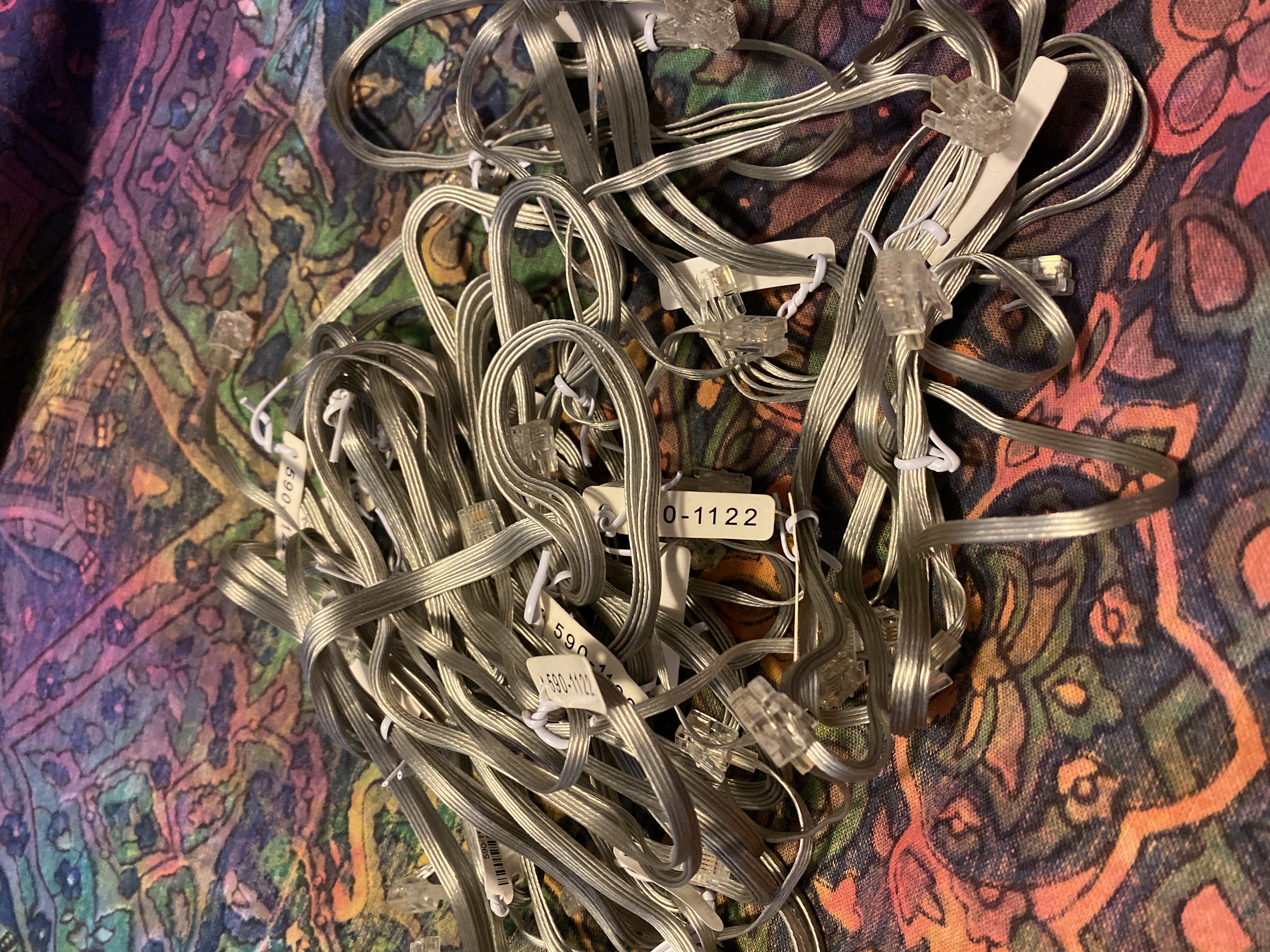
Individually addressable LED strips controlled by ESP8266/ESP32 running WLED, integrated with Apple HomeKit and Home Assistant to respond to time of day, calendar events, and sensor data.
A full-body wearable LED suit — programmable, camera-equipped, and built entirely by hand — that taught more about power budgets, wearable ergonomics, and heat dissipation than any datasheet.
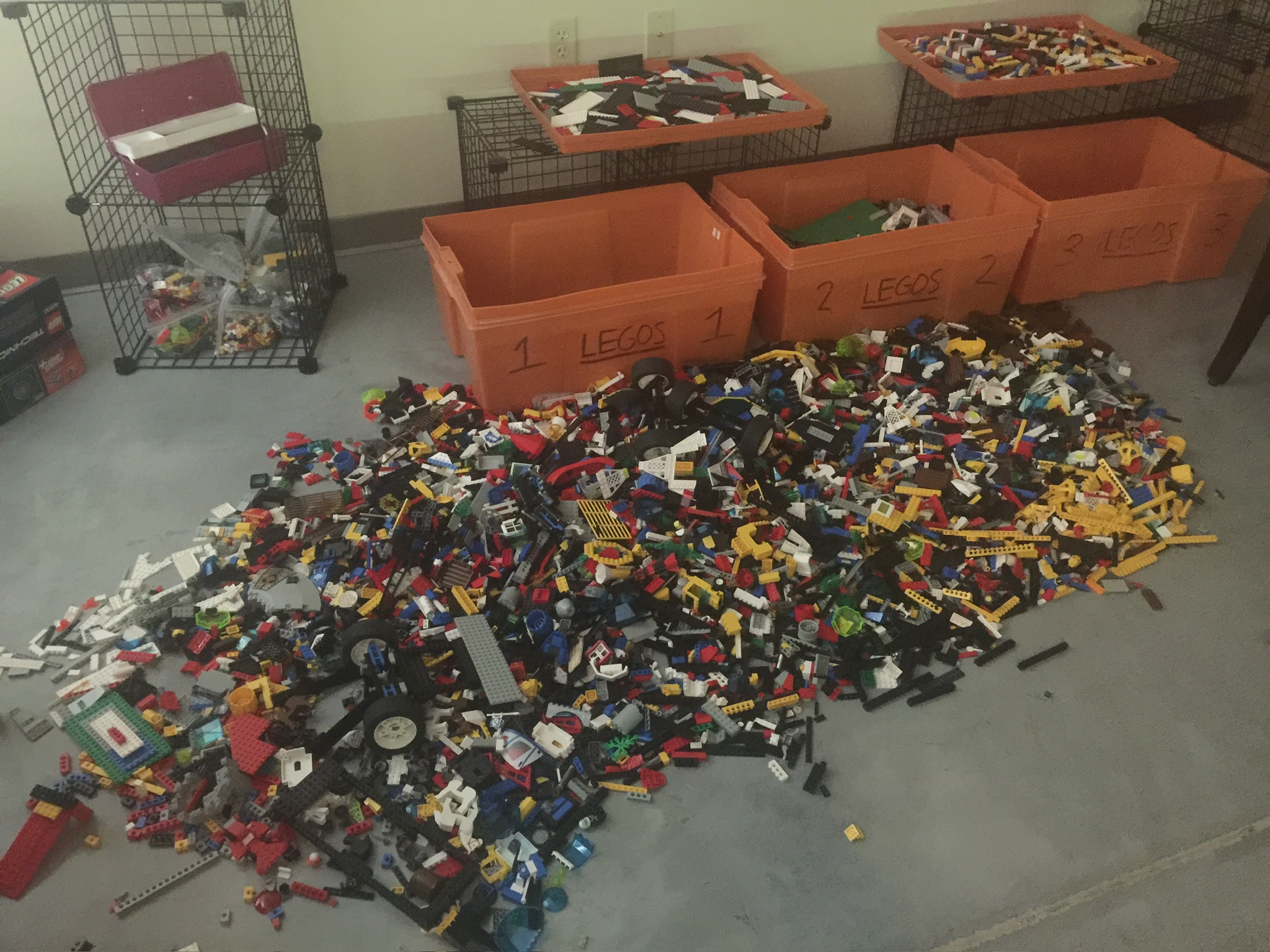
Projects where hands meet materials — woodworking, electronics, mechanical assembly, and the satisfaction of building something that functions in the physical world.
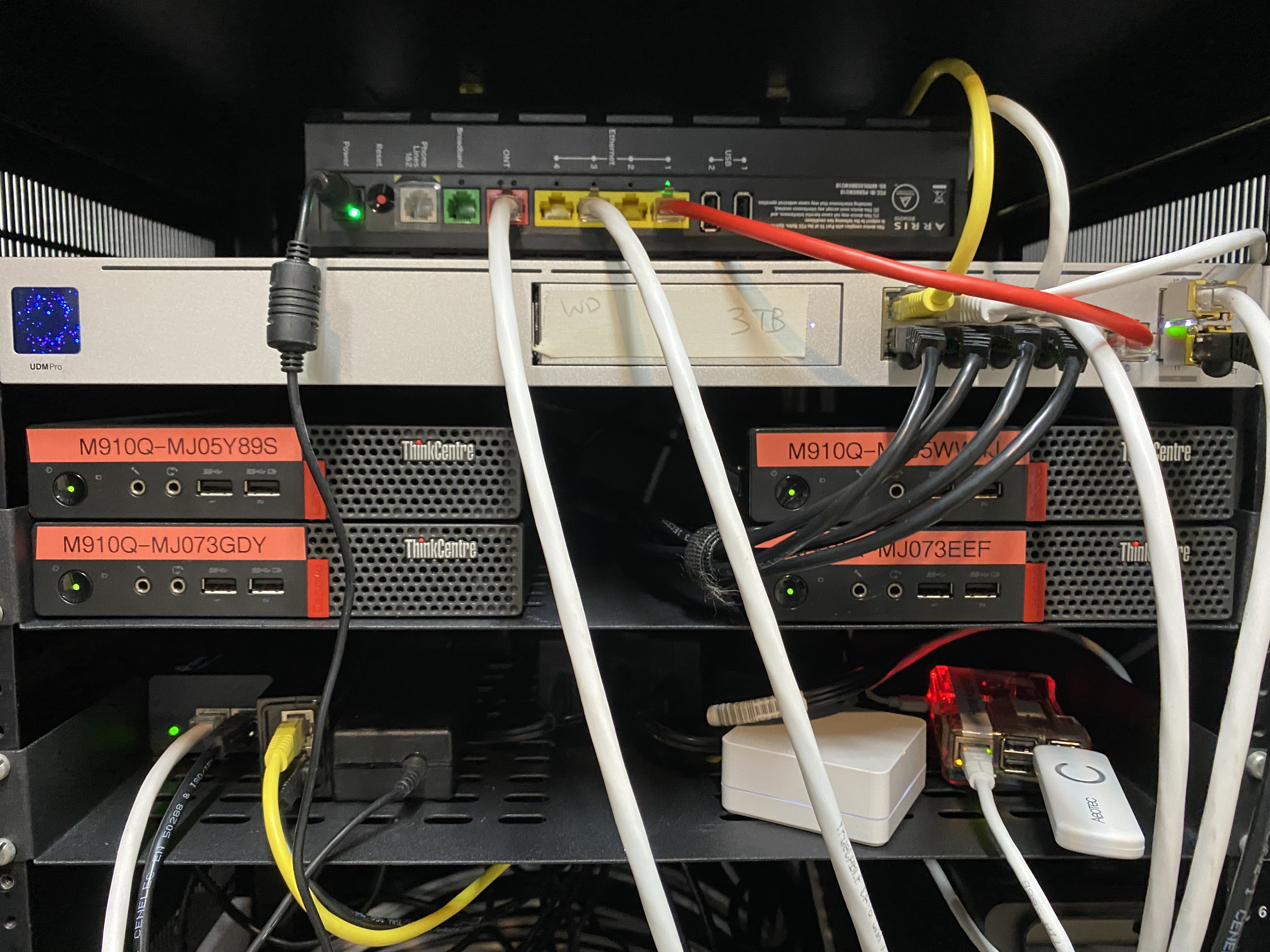
Projects wiring up the home with sensors, automation, lighting, audio, and climate systems — learning IoT and embedded hardware by living inside it.