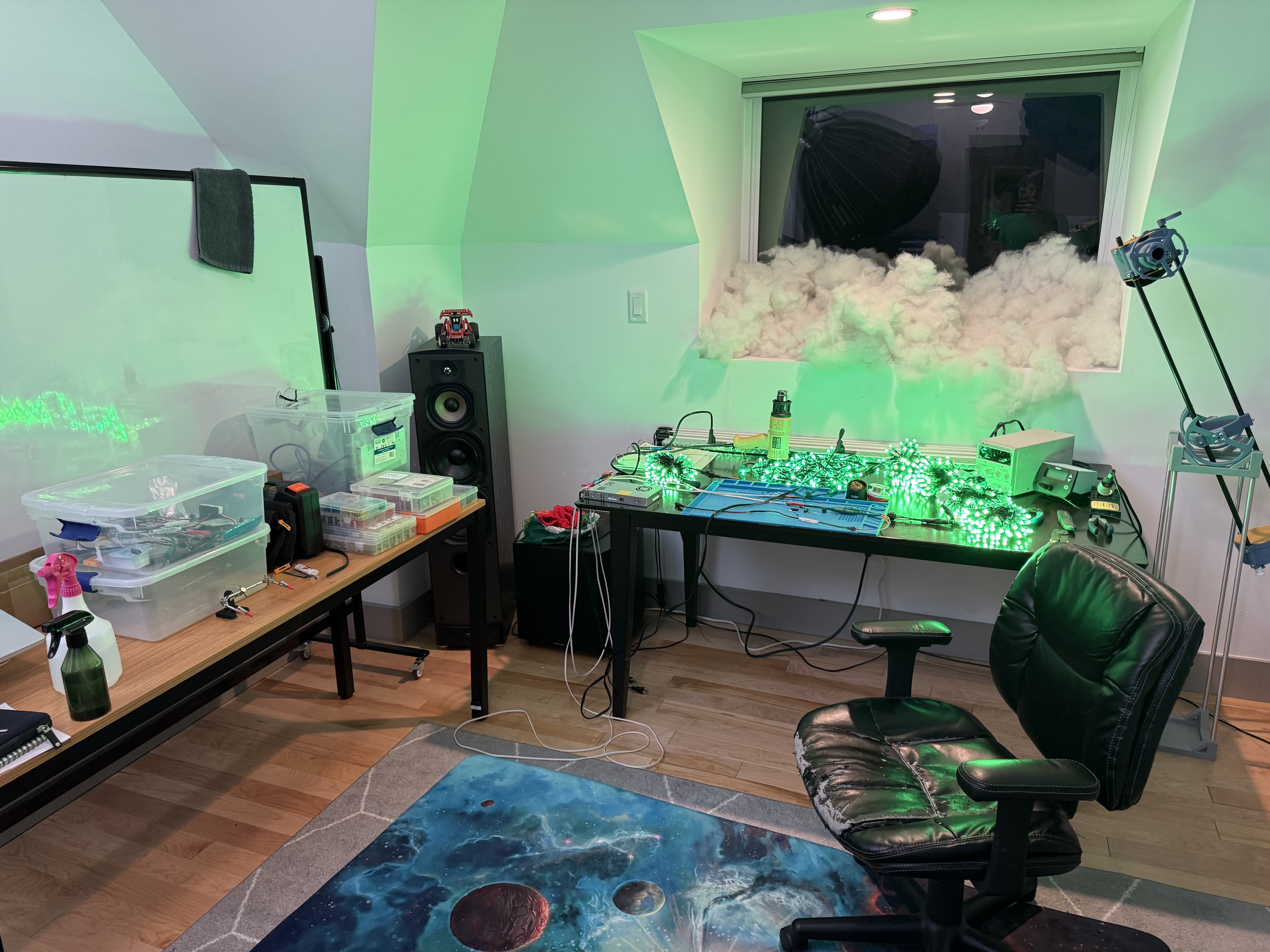
Electrical engineering systems
Circuits control current and voltage to perform computation, signaling, and power distribution across components and boards.
LEGO ecosystems
Standardized physical components combine via well-defined interfaces into arbitrarily complex assemblies, supported by instructions, supply chains, and a resale market that preserves value and compatibility over time.
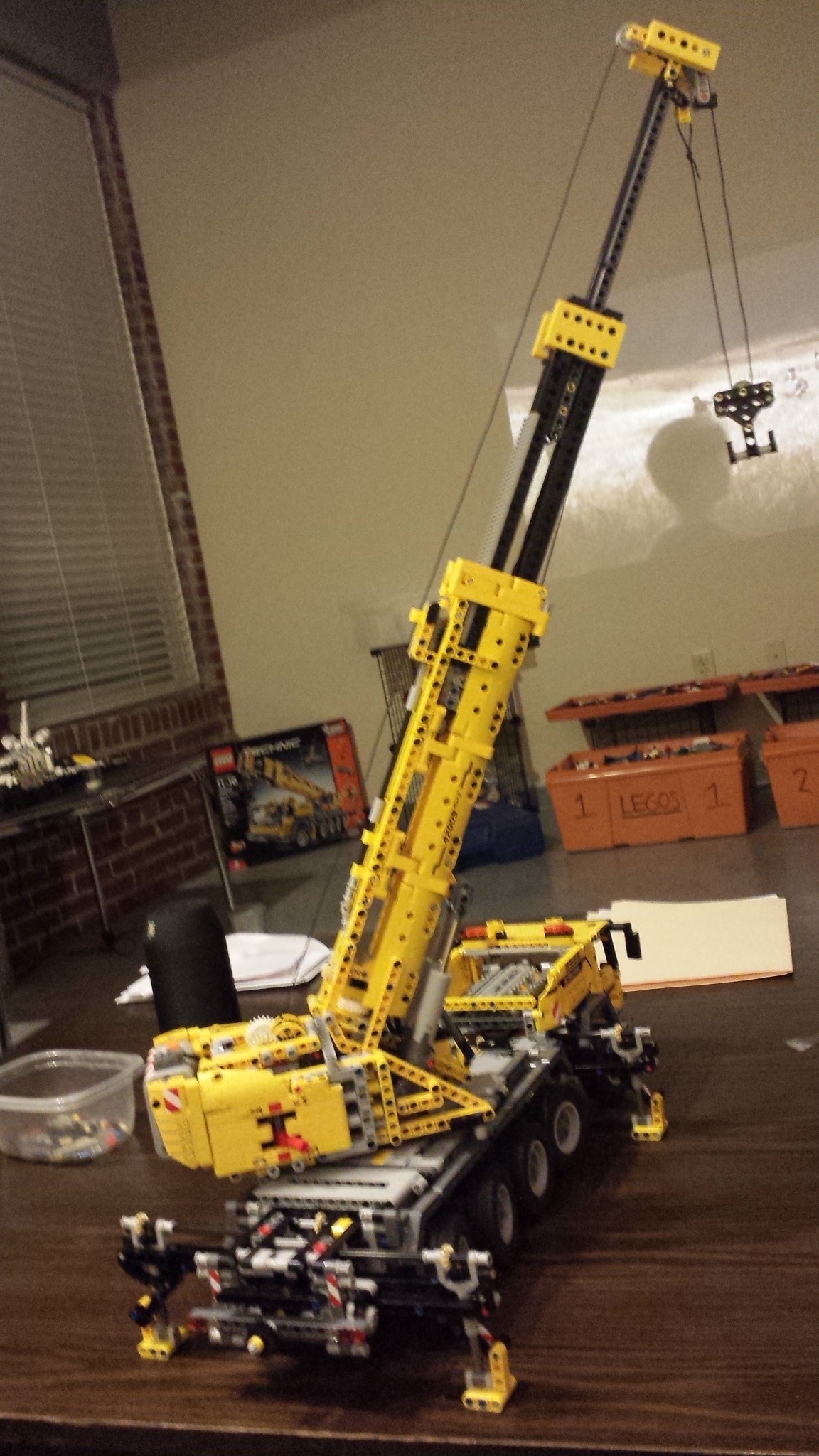
Standardized physical components combine via well-defined interfaces into arbitrarily complex assemblies, supported by instructions, supply chains, and a resale market that preserves value and compatibility over time.
This domain is valuable because physical and infrastructure systems make constraints legible. They show how components fit together, where tolerance matters, how failure propagates, and what it takes to keep an assembly reliable over time.
The broader payoff is transfer. Once you learn to see interfaces, bottlenecks, and feedback in a physical substrate, you get better at spotting the same patterns in software, organizations, and markets. This domain gets more useful when it is compared with adjacent systems instead of being treated as a silo. That is where reusable judgment starts to form.
Circuits control current and voltage to perform computation, signaling, and power distribution across components and boards.
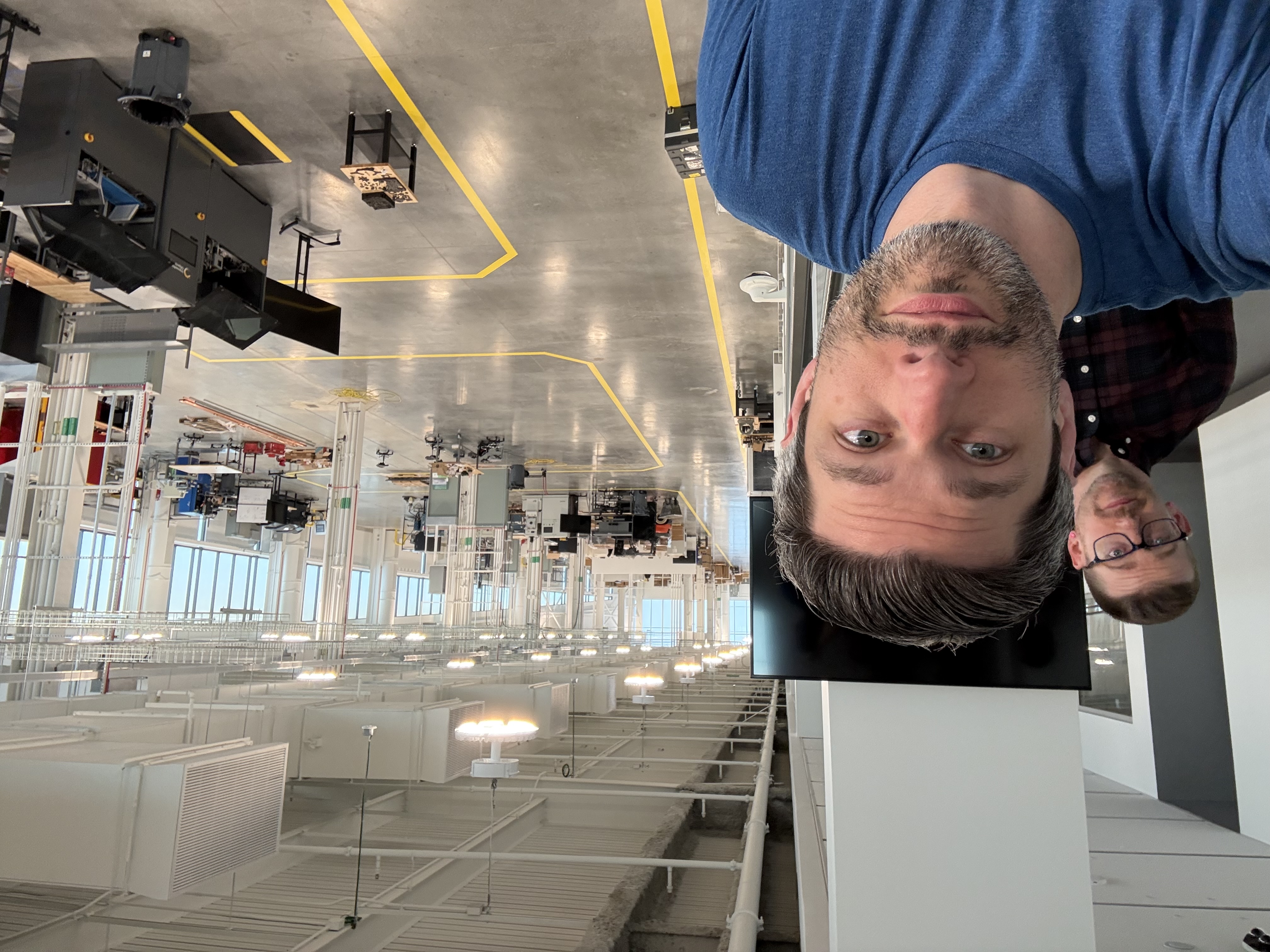
Systems manage production, materials, workflows, and capacity in physical goods environments.
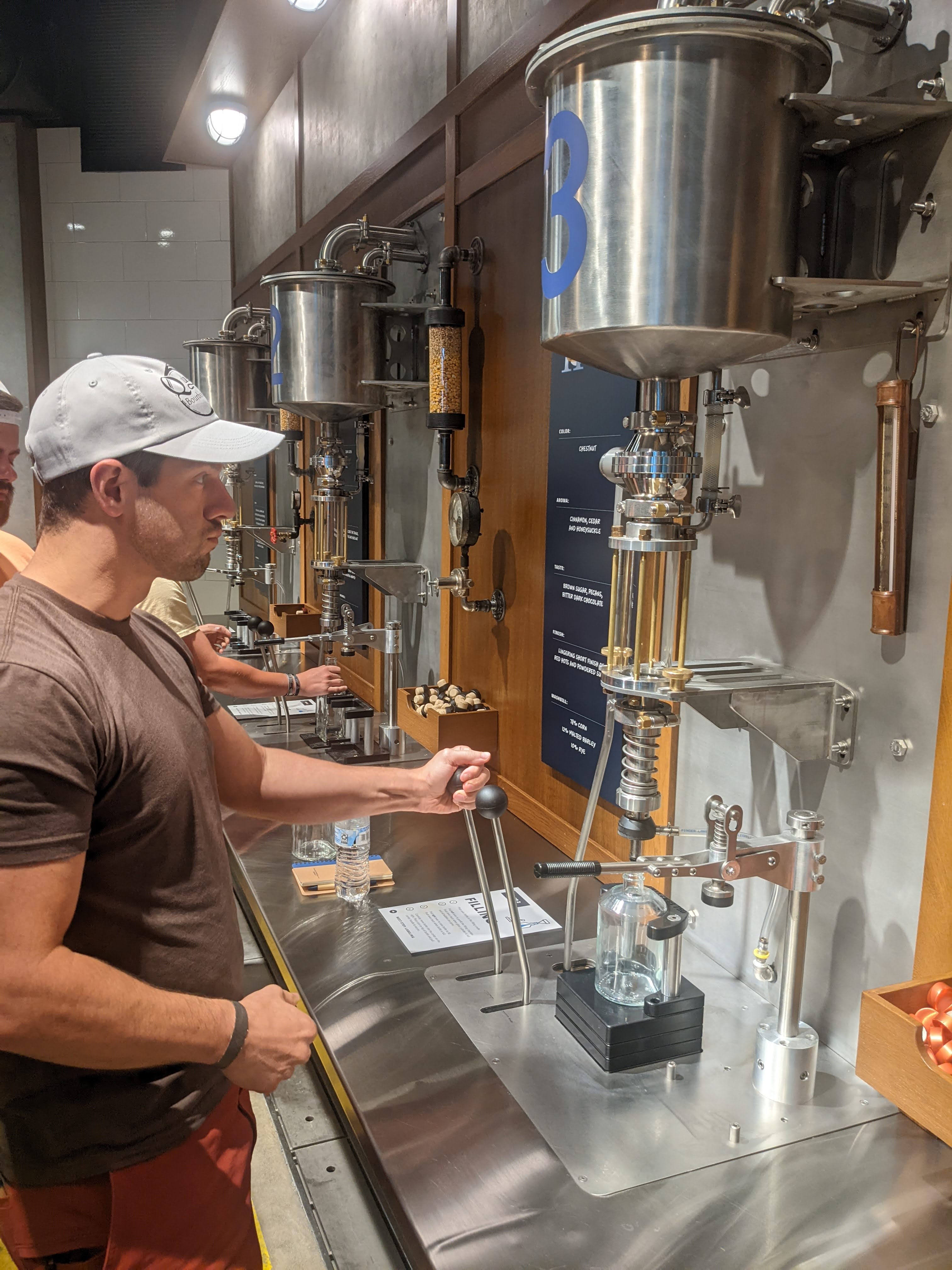
Physical assemblies transfer force and motion through components such as gears and actuators under constraints of energy, friction, and material properties.
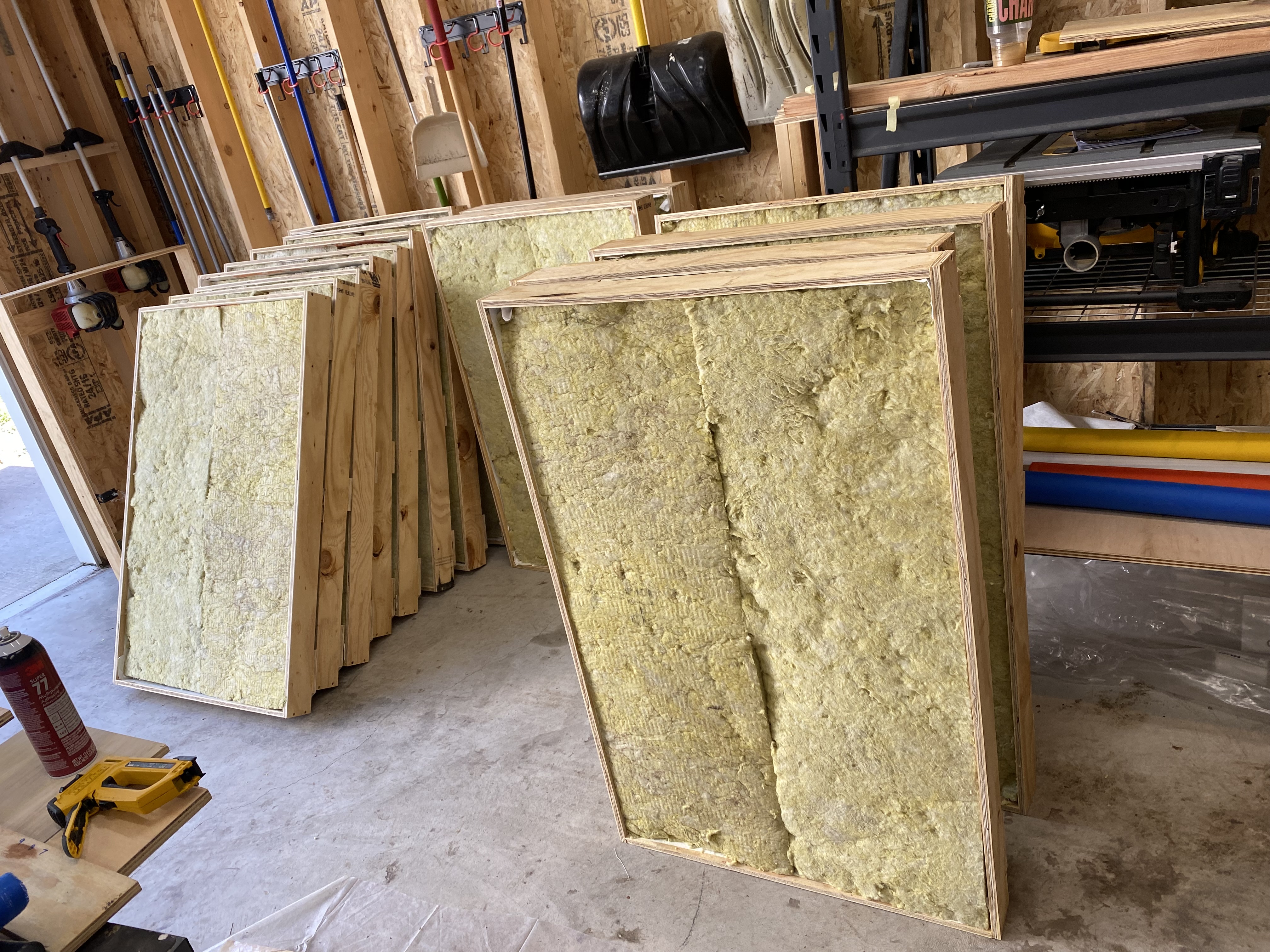
Signal chains capture, process, and distribute audio and visual data in real time across consoles, amplification, and lighting control systems.

Information is transmitted through the electromagnetic spectrum using modulation, frequency allocation, and protocol layering under physical and regulatory constraints.
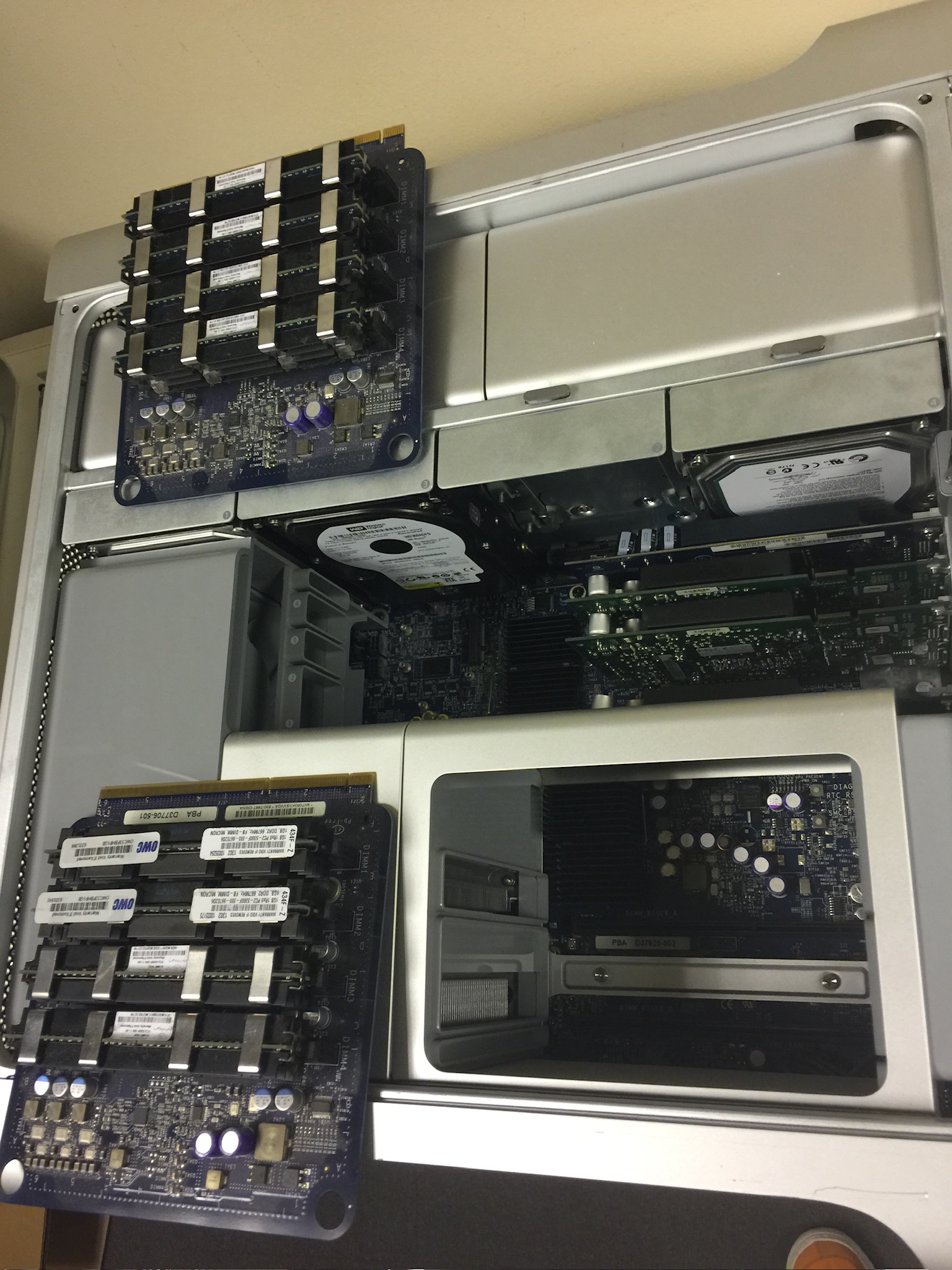
Physical machines such as CPUs, GPUs, memory, and storage execute instructions under constraints of heat, power, and architecture-level parallelism.
Systems coordinate projects, resources, timelines, and costs in the building of physical infrastructure.
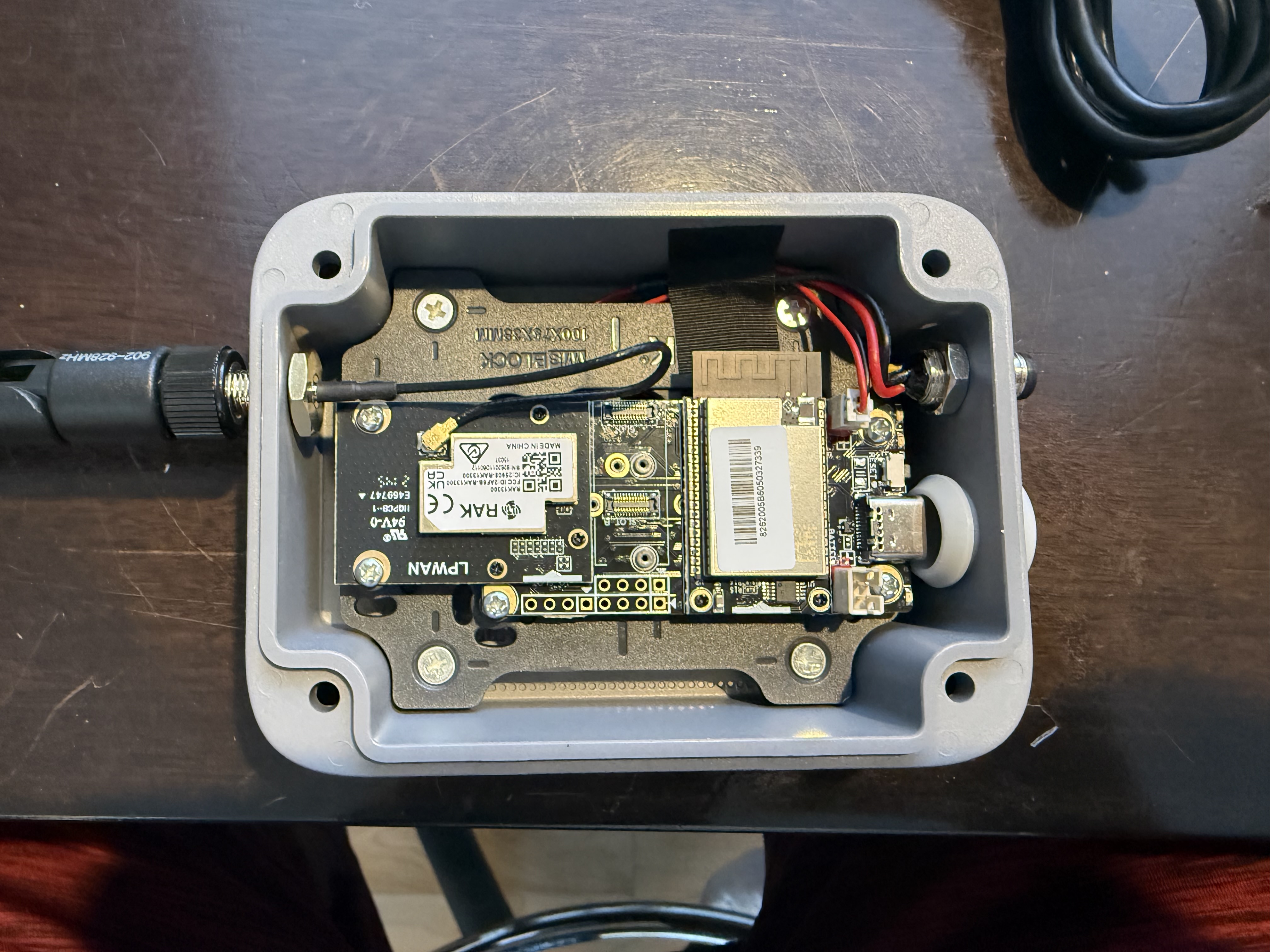
Routers, switches, and radios move packets across physical and wireless links using standardized protocols and topology-aware routing.