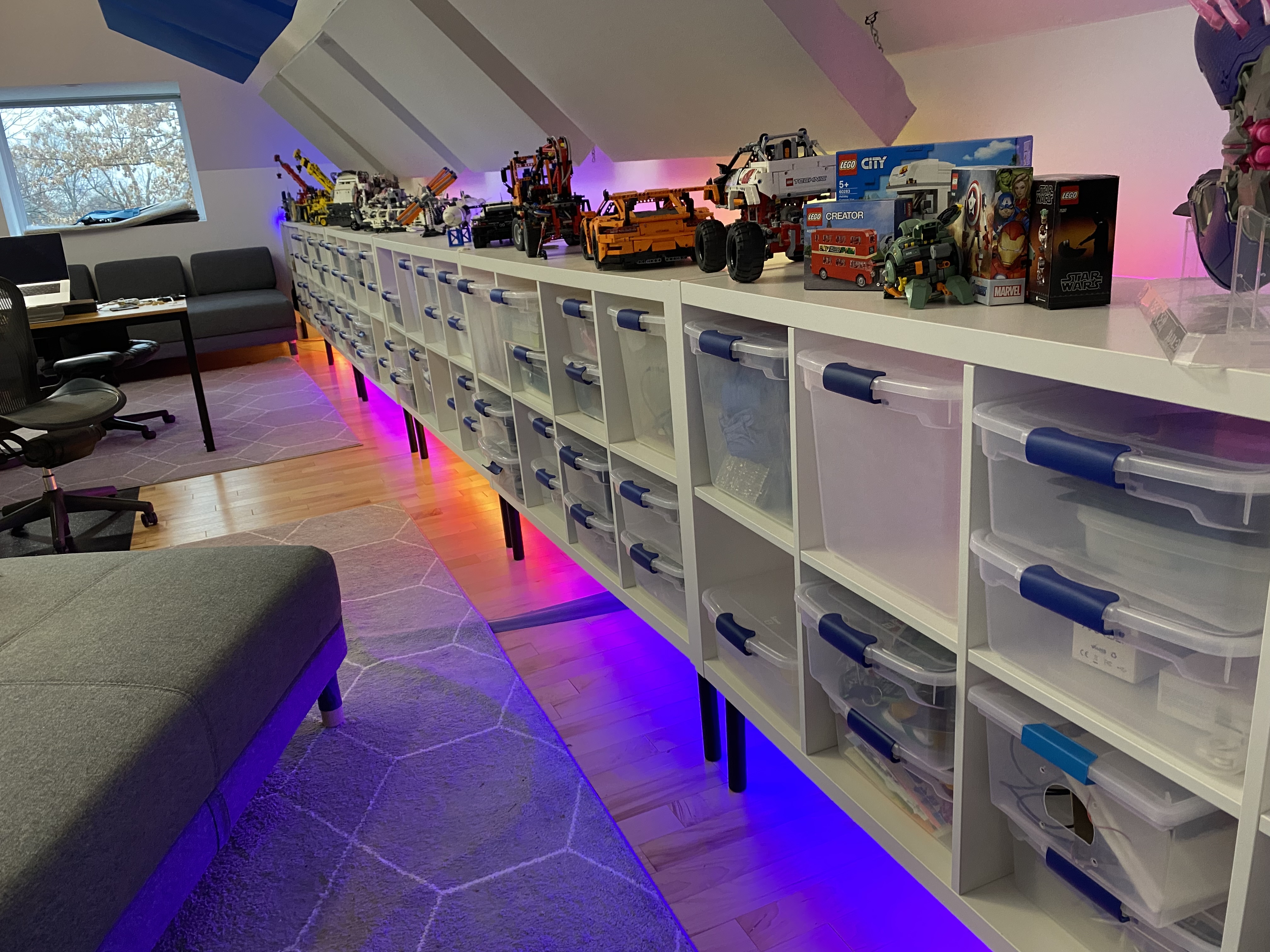
Kitchen LED Lights
The third room in the Magnolia LED rollout, introducing physical constraints around heat, grease, and the need for actually useful task lighting.
Pro audio/visual systems
Signal chains capture, process, and distribute audio and visual data in real time across consoles, amplification, and lighting control systems.
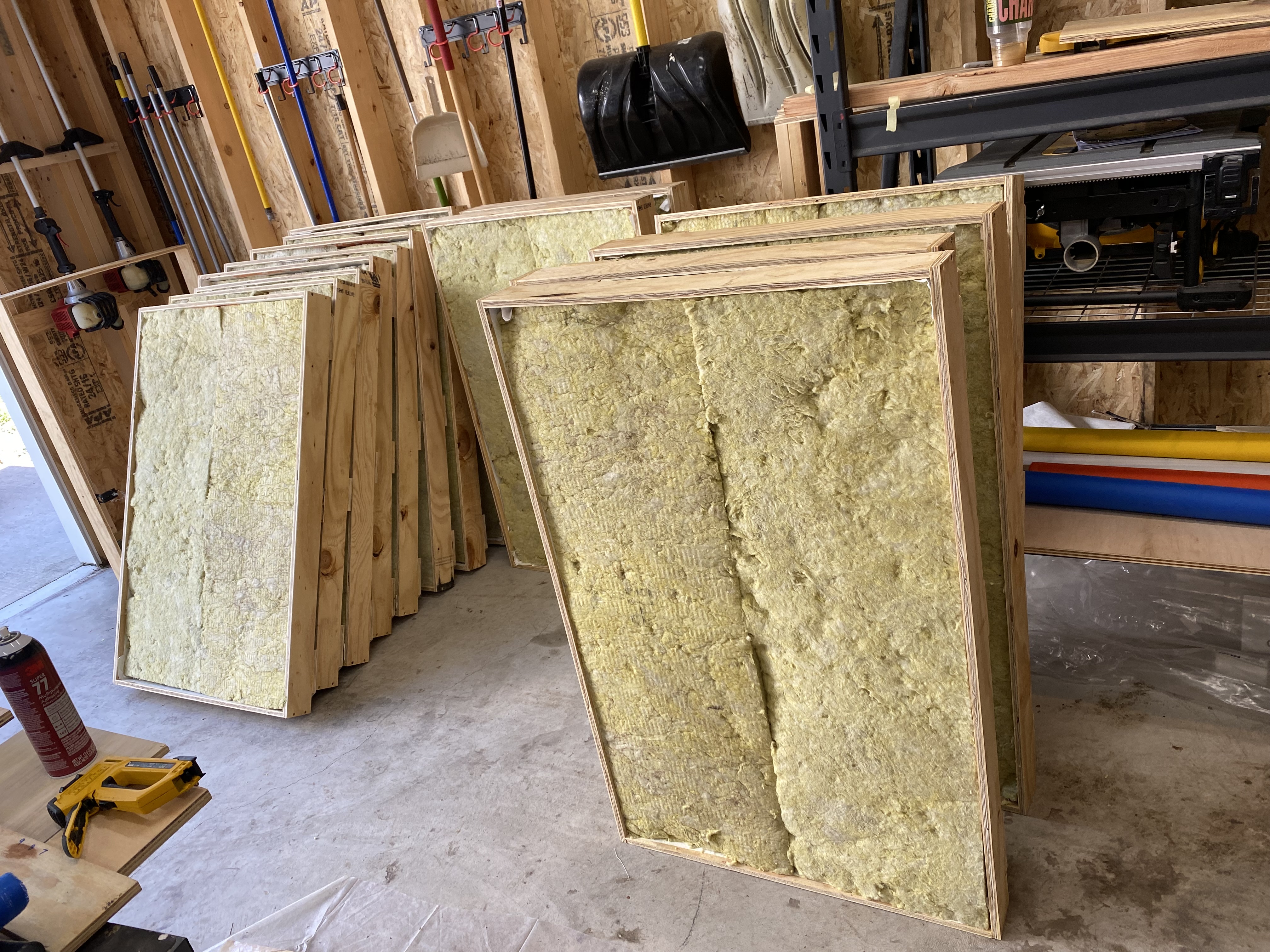
Signal chains capture, process, and distribute audio and visual data in real time across consoles, amplification, and lighting control systems.
This domain is valuable because physical and infrastructure systems make constraints legible. They show how components fit together, where tolerance matters, how failure propagates, and what it takes to keep an assembly reliable over time.
The broader payoff is transfer. Once you learn to see interfaces, bottlenecks, and feedback in a physical substrate, you get better at spotting the same patterns in software, organizations, and markets. This domain gets more useful when it is compared with adjacent systems instead of being treated as a silo. That is where reusable judgment starts to form.
The third room in the Magnolia LED rollout, introducing physical constraints around heat, grease, and the need for actually useful task lighting.
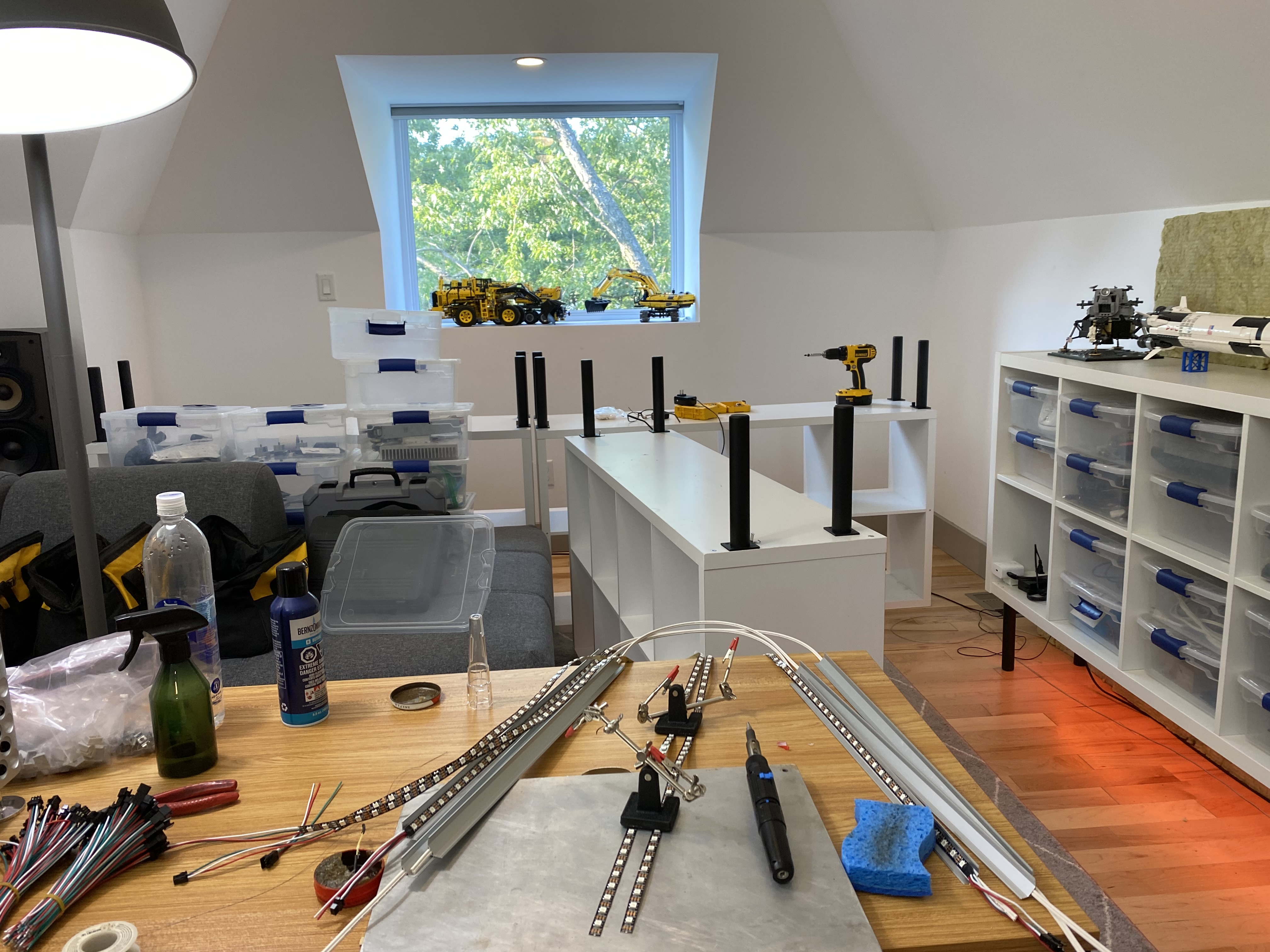
Soft baseboard lighting using the WLED ecosystem that shifts color temperature through the day — and revealed that bedroom smart lighting has near-zero tolerance for latency.
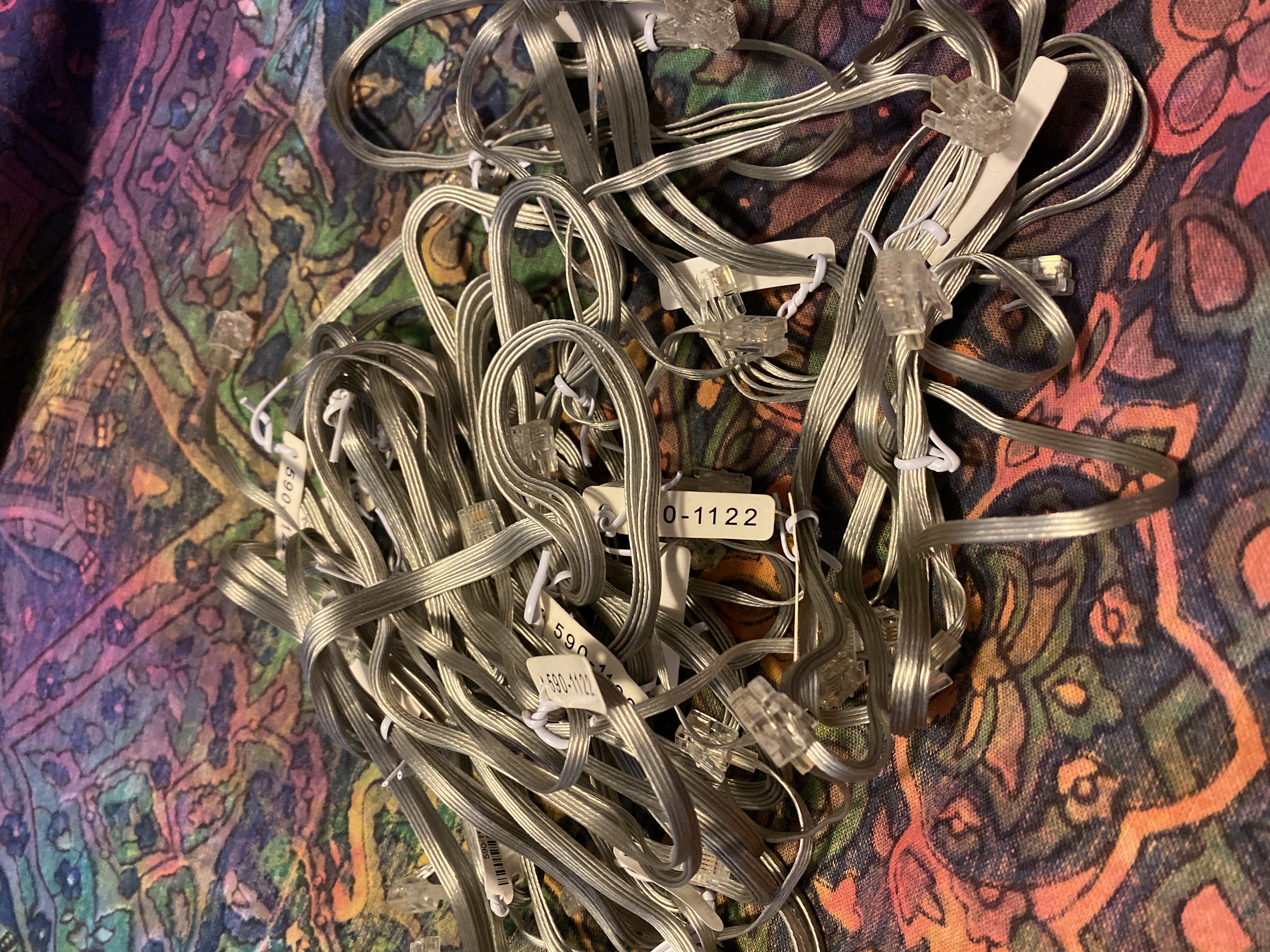
Individually addressable LED strips controlled by ESP8266/ESP32 running WLED, integrated with Apple HomeKit and Home Assistant to respond to time of day, calendar events, and sensor data.
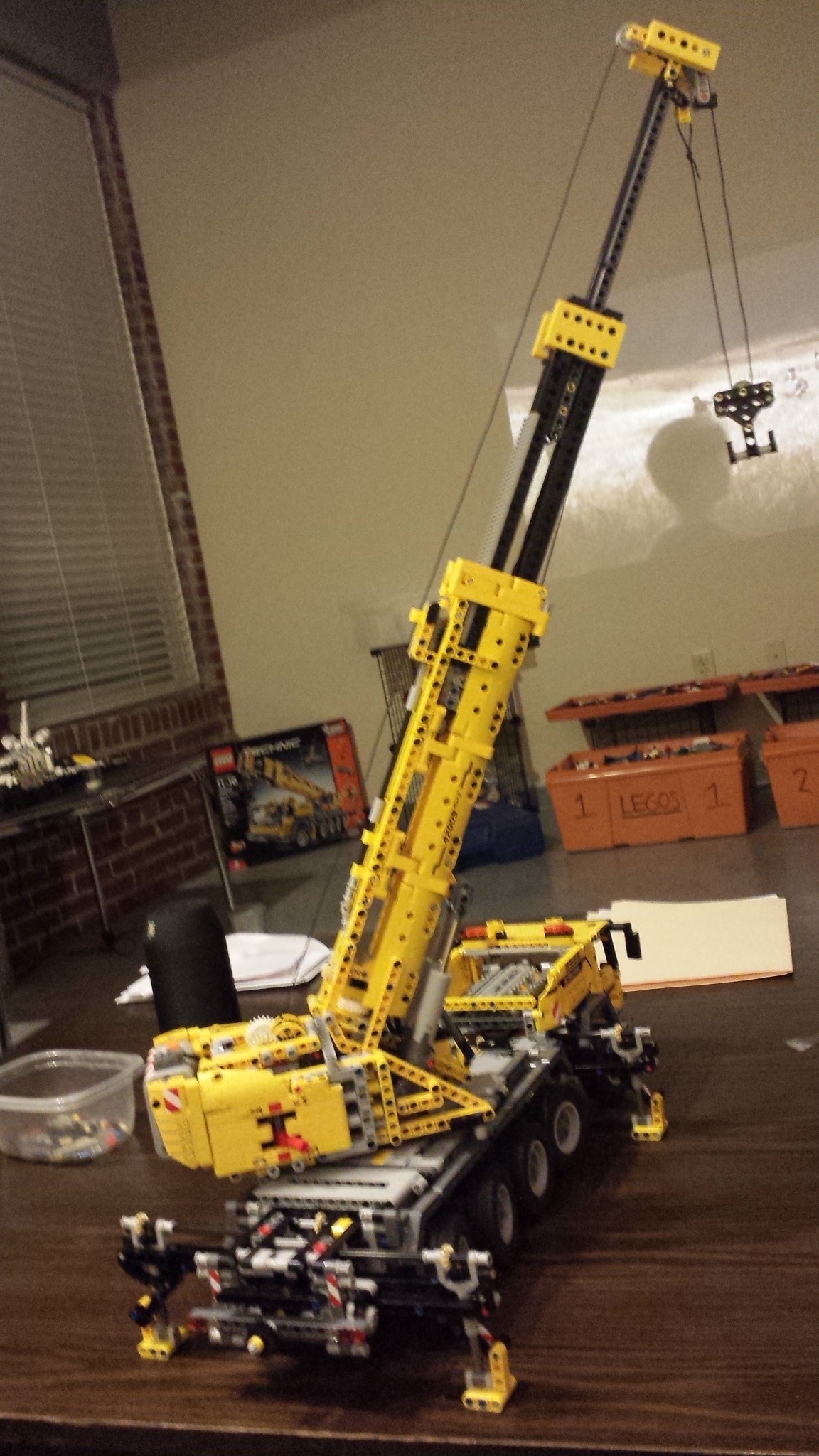
Standardized physical components combine via well-defined interfaces into arbitrarily complex assemblies, supported by instructions, supply chains, and a resale market that preserves value and compatibility over time.
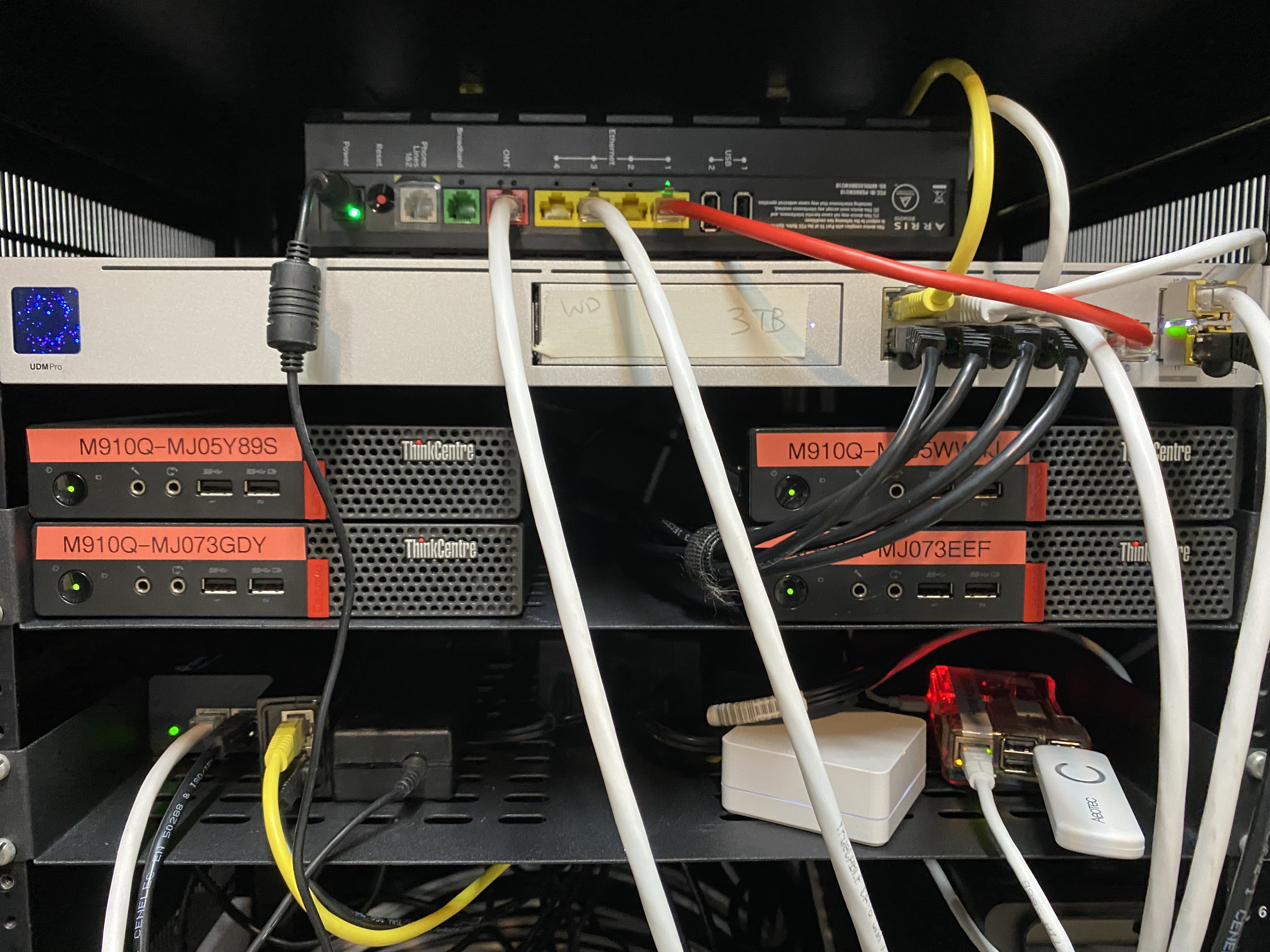
Projects wiring up the home with sensors, automation, lighting, audio, and climate systems — learning IoT and embedded hardware by living inside it.
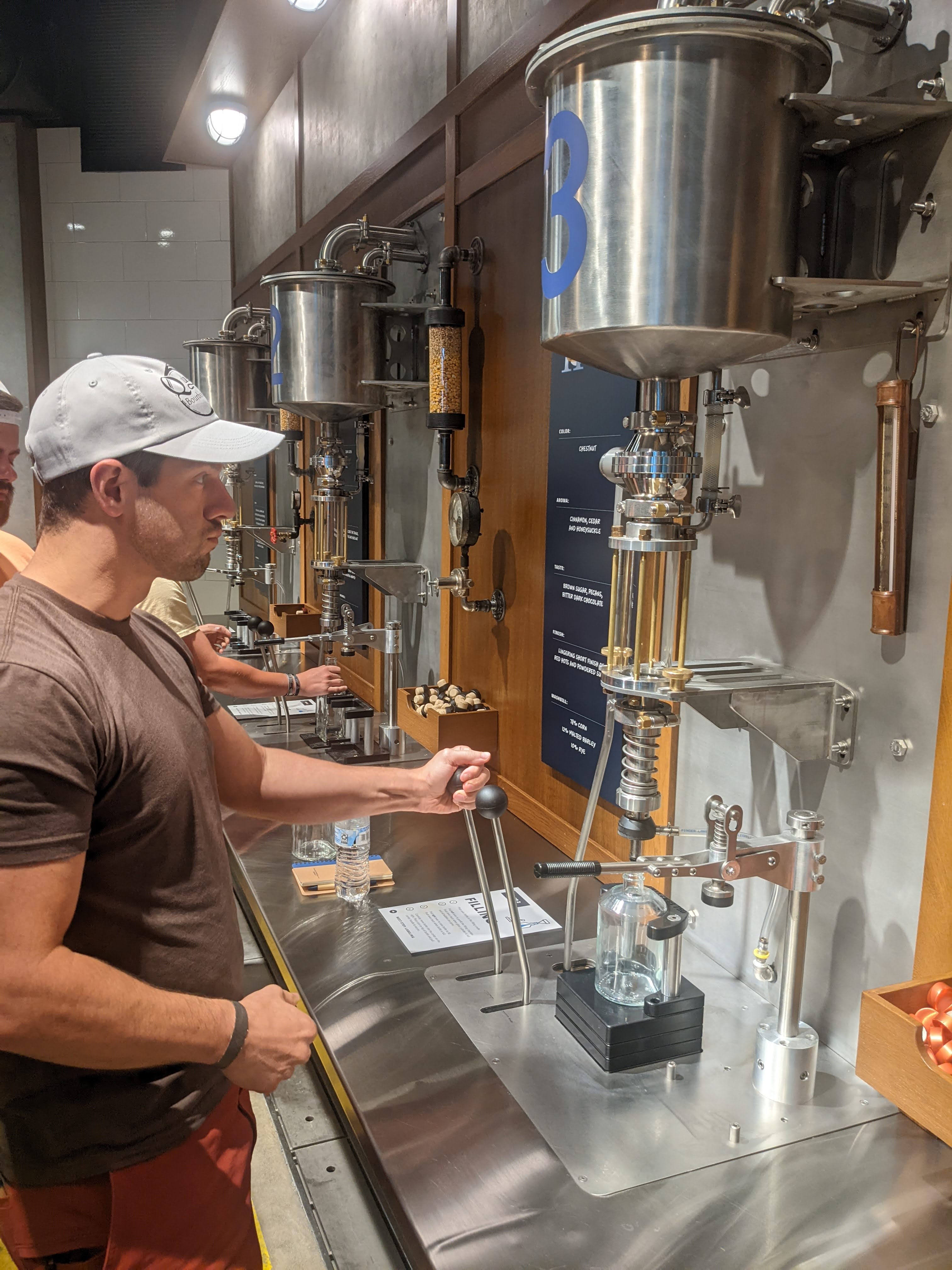
Physical assemblies transfer force and motion through components such as gears and actuators under constraints of energy, friction, and material properties.

Information is transmitted through the electromagnetic spectrum using modulation, frequency allocation, and protocol layering under physical and regulatory constraints.
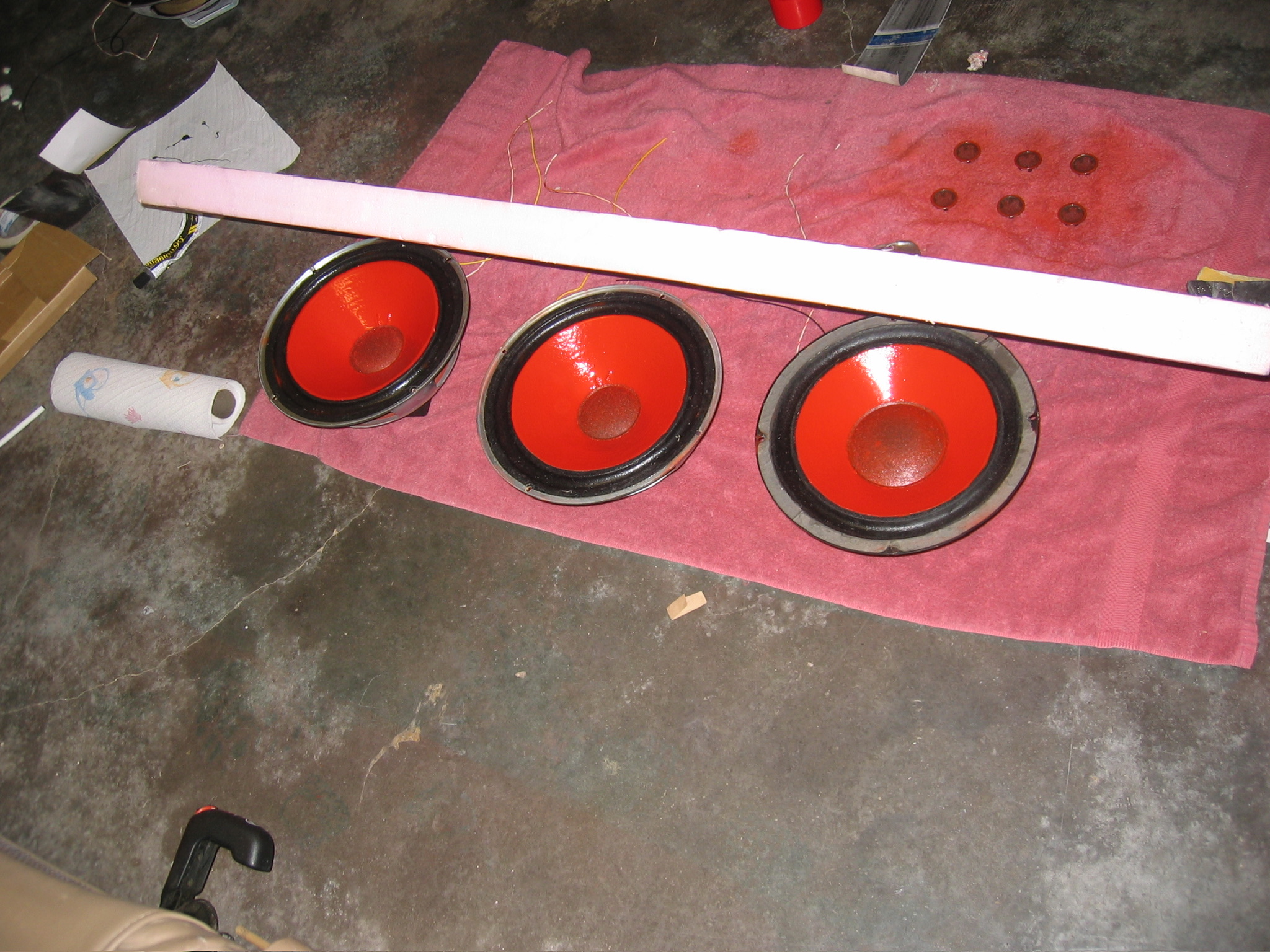
A stock-minded car-audio build around an oversized JBL subwoofer, a borrowed amp, and the practical work required to make it fit cleanly.
Adding Bluetooth audio to a Hyundai Tiburon while keeping the dashboard and overall look as close to factory as possible.
Home automation interests me because it brings systems thinking into everyday physical life.