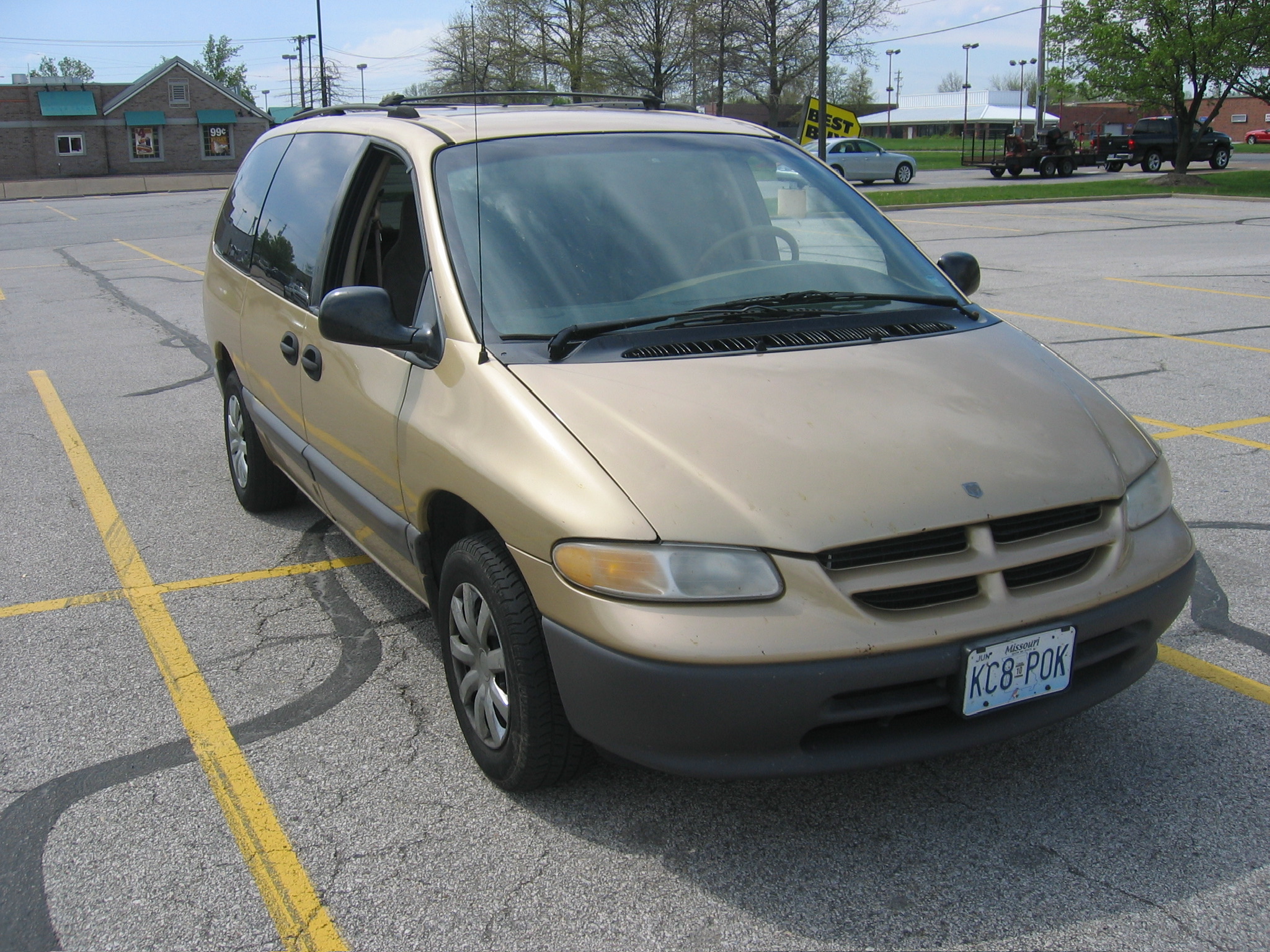
What a Dead Car Battery Taught Me About System Failures
A dead-battery problem that looked random until measurement, isolation, and one small wiring change exposed the real system failure.
Electrical engineering systems
Circuits control current and voltage to perform computation, signaling, and power distribution across components and boards.
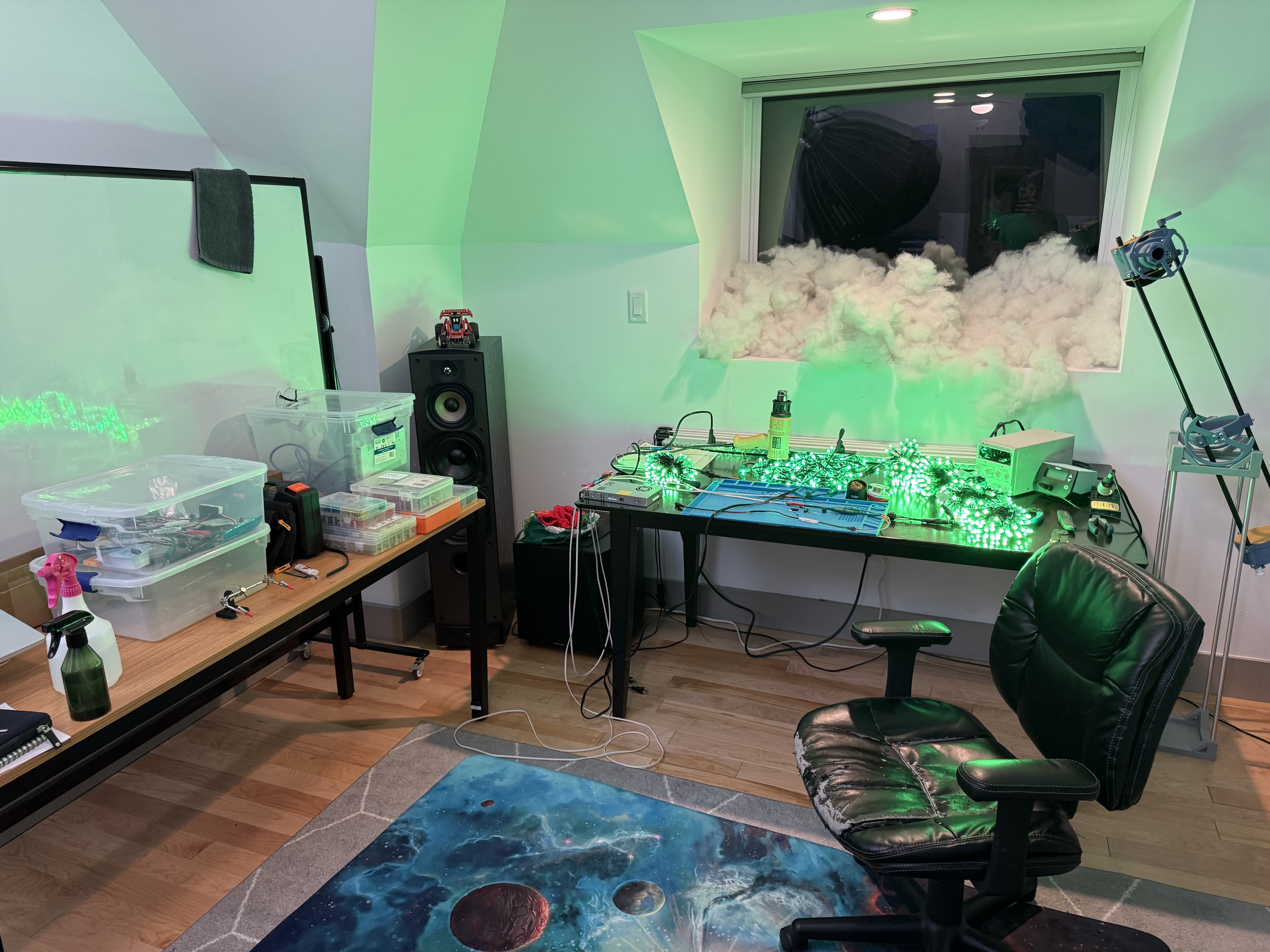
Circuits control current and voltage to perform computation, signaling, and power distribution across components and boards.
This domain is valuable because physical and infrastructure systems make constraints legible. They show how components fit together, where tolerance matters, how failure propagates, and what it takes to keep an assembly reliable over time.
The broader payoff is transfer. Once you learn to see interfaces, bottlenecks, and feedback in a physical substrate, you get better at spotting the same patterns in software, organizations, and markets. This domain gets more useful when it is compared with adjacent systems instead of being treated as a silo. That is where reusable judgment starts to form.
A dead-battery problem that looked random until measurement, isolation, and one small wiring change exposed the real system failure.
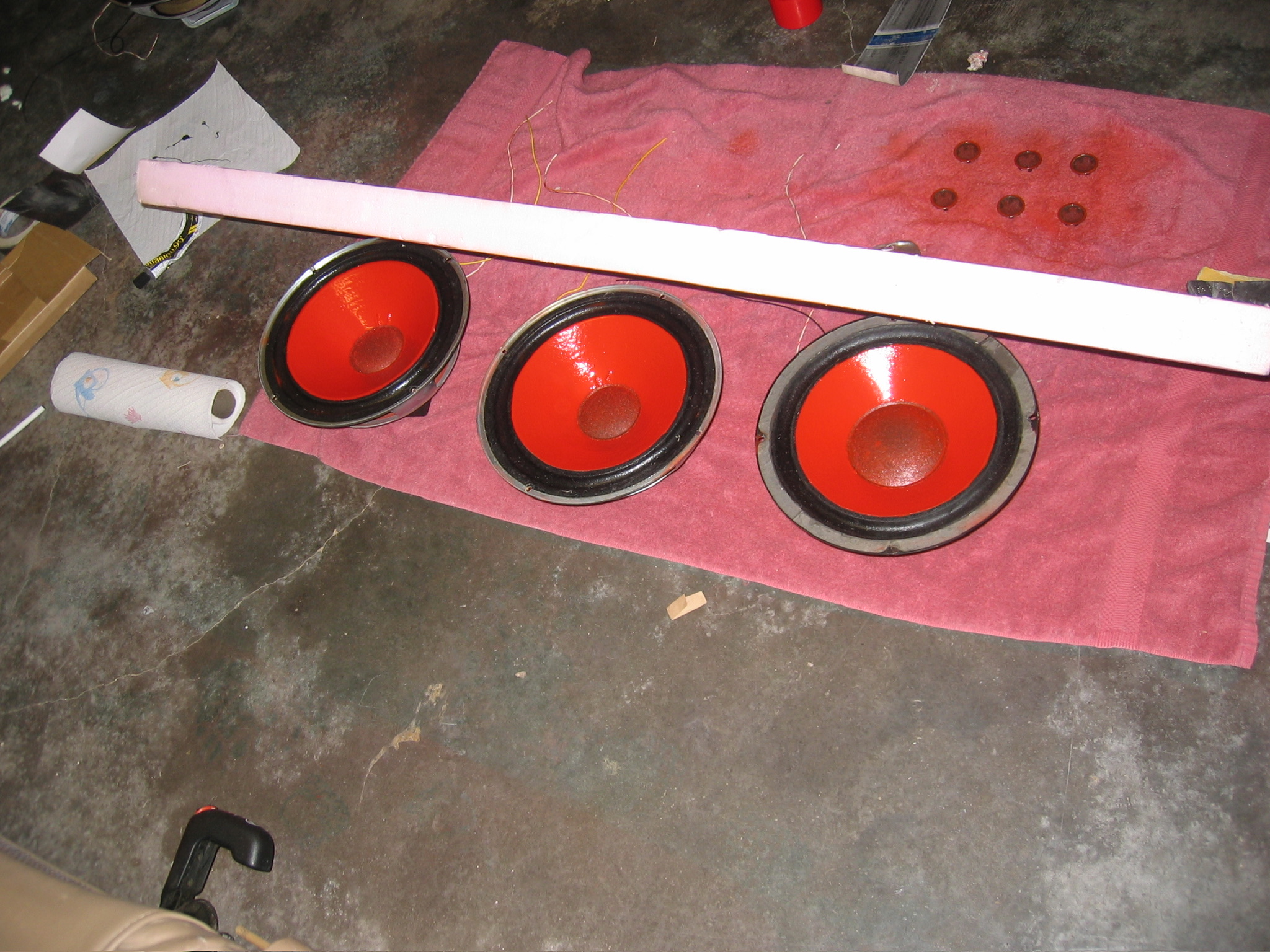
A stock-minded car-audio build around an oversized JBL subwoofer, a borrowed amp, and the practical work required to make it fit cleanly.
Adding Bluetooth audio to a Hyundai Tiburon while keeping the dashboard and overall look as close to factory as possible.
Arduino is a microcontroller platform for building hardware and IoT projects.
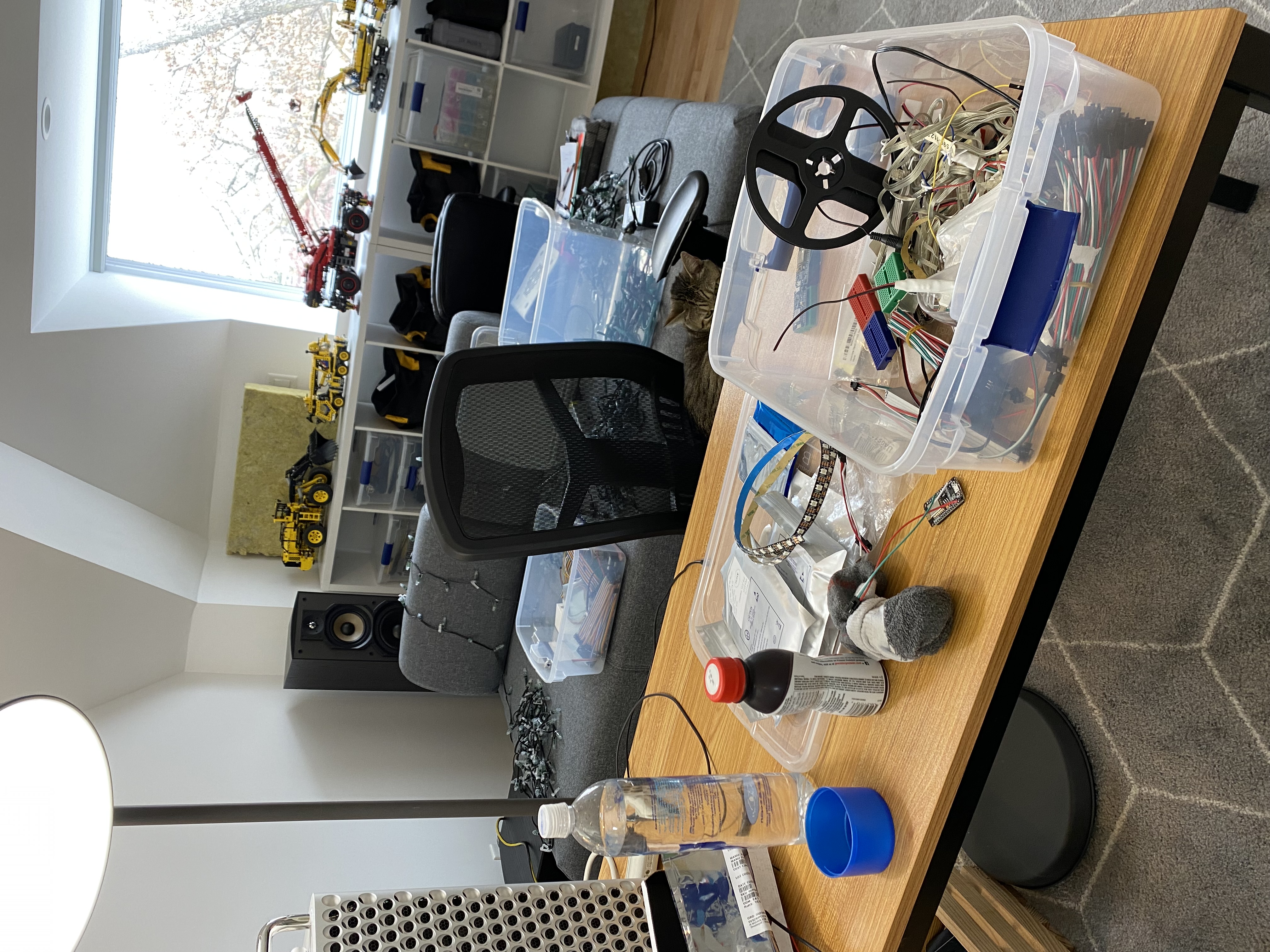
Working with tools and materials has been part of how I learn to build since junior high shop class first set me on that path.
A vision-based robot control system using National Instruments hardware and LabVIEW — the robot sees, decides, and acts — with lessons that transferred directly to later data pipeline and real-time processing work.
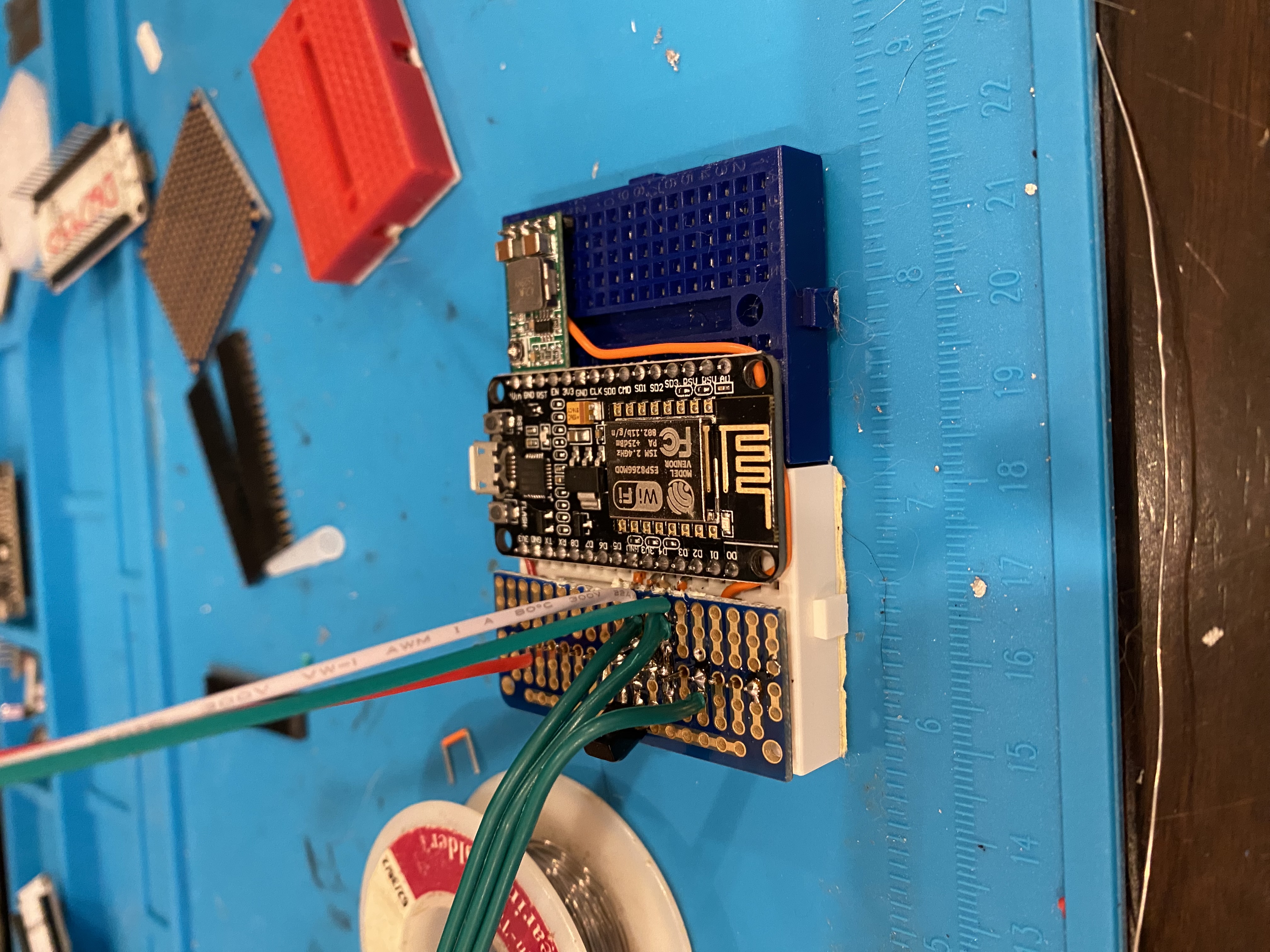
Embedded Programming is a software development for hardware systems with dedicated functions.
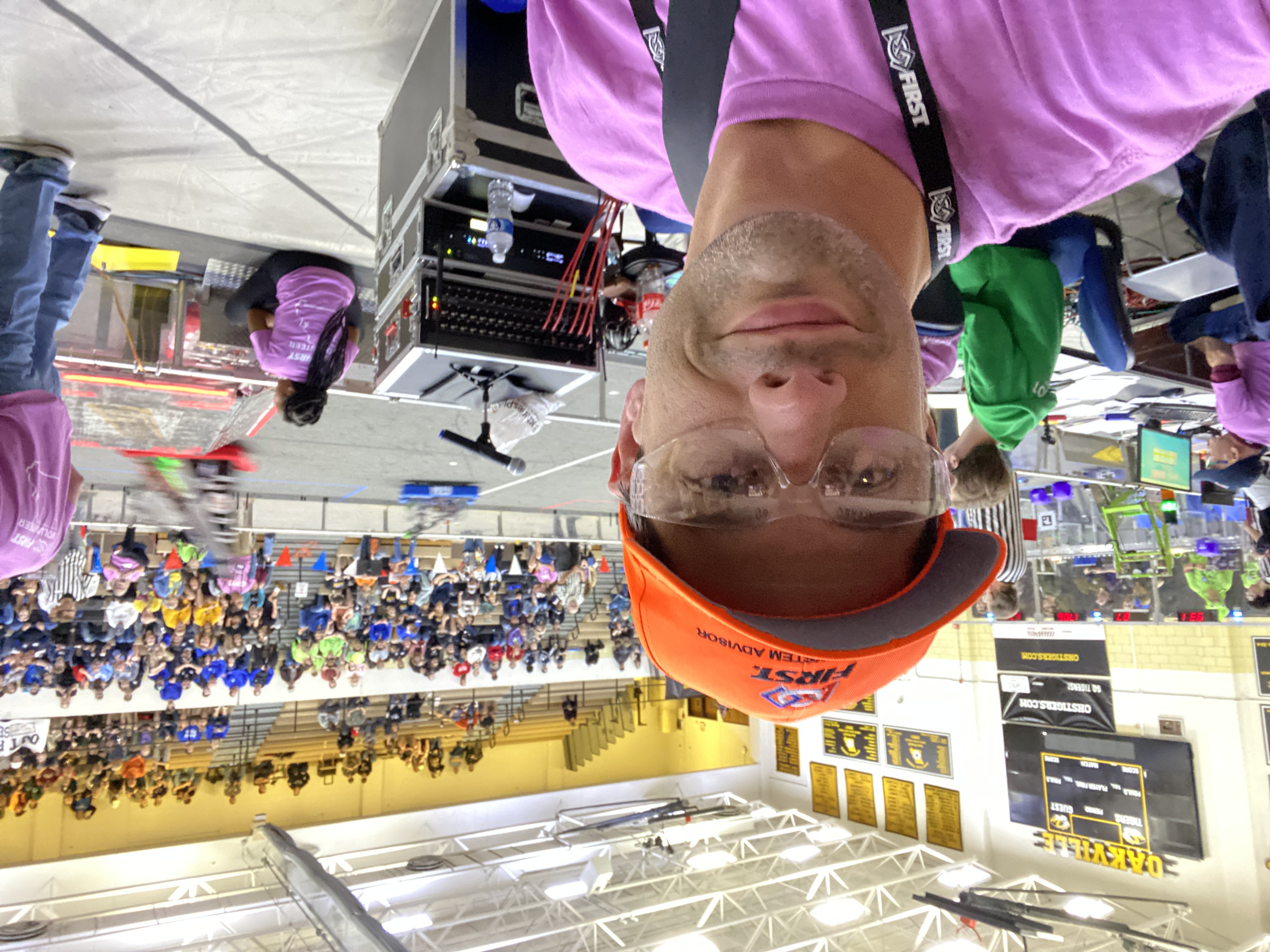
Built a VPN system for remote programming and testing of actual FRC RoboRIO hardware — not a simulator — and learned as much about networking latency as robotics in the process.
Home automation interests me because it brings systems thinking into everyday physical life.
Designed and tested a DIY HVAC solution for an unresolved third-floor heating and cooling problem using 12-inch ducts and AC Infinity inline fans — before a full system replacement validated the approach.