Dataset productization systems
Raw data is turned into standardized, consumable products with defined schemas, documentation, and delivery mechanisms.
Data lake / lakehouse systems
Storage layers retain raw and structured data at scale while bridging analytical and operational workloads.
Storage layers retain raw and structured data at scale while bridging analytical and operational workloads.
This domain is valuable because data and AI systems expose the full path from collection to action. They make it obvious that storage, transformation, meaning, trust, and incentives all shape the value of the output.
The transfer advantage is strong here. Learning to ask where data came from, how it changed, and who is rewarded by its use builds a habit that improves product, operational, and strategic thinking in other domains. This domain gets more useful when it is compared with adjacent systems instead of being treated as a silo. That is where reusable judgment starts to form.
Raw data is turned into standardized, consumable products with defined schemas, documentation, and delivery mechanisms.
High-throughput systems capture, store, and analyze large volumes of real-time events for analytics and decision-making.
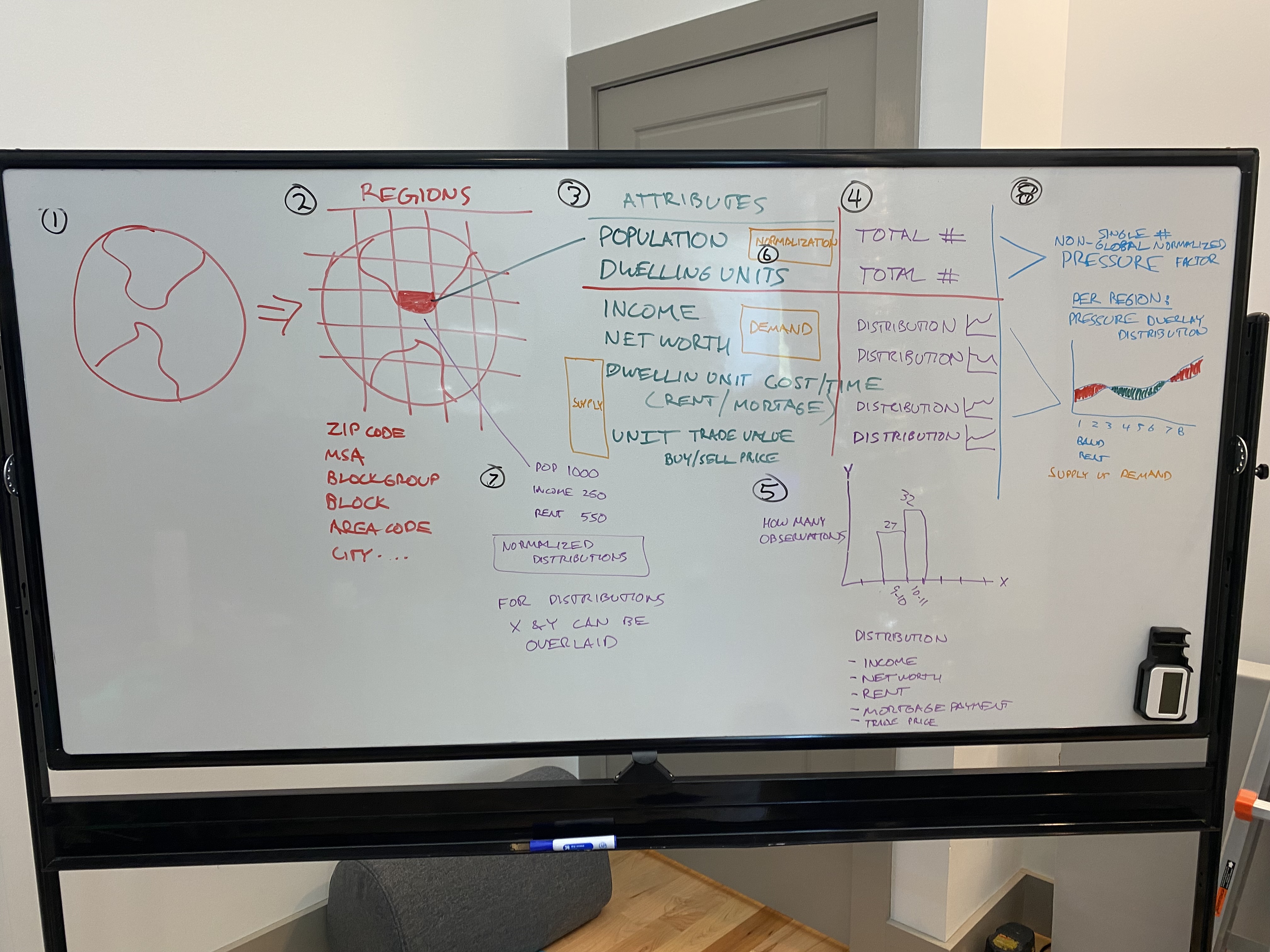
A geospatial risk model built on mobile location observation data, so a utility inspection company could prioritize poles by how many people a failure would actually affect.
Systems model physical space using coordinates, polygons, and clustering to derive insights and build products from location data.
Spatial systems represent and analyze location-aware data so geographic relationships can be integrated into products and decisions.
Managed proprietary and sensitive big datasets in Google Cloud using GCS, BigQuery, and Composer (Apache Airflow). Built Confluence documentation from scratch...
Systems evaluate and optimize queries before execution to reduce cost and improve performance.
Built accounting and point-of-sale data warehouse ETL processes and data models for restaurant franchise analytics including Blaze Pizza and other chains,...
Configured a 54-node, 1TB in-memory Redis cluster with Twemproxy for real-time ad-bidding data throughput, handling extremely high concurrent reads and writes...
Systems measure likeness between entities using features and distance metrics so they can drive insights, grouping, and product behavior.