
Human-in-the-loop systems
Automated processes incorporate human judgment to improve accuracy, safety, and outcomes.
ETL / ELT systems
Pipelines extract, transform, and load data across systems while enforcing schema, quality, and timing constraints.
Pipelines extract, transform, and load data across systems while enforcing schema, quality, and timing constraints.
This domain is valuable because data and AI systems expose the full path from collection to action. They make it obvious that storage, transformation, meaning, trust, and incentives all shape the value of the output.
The transfer advantage is strong here. Learning to ask where data came from, how it changed, and who is rewarded by its use builds a habit that improves product, operational, and strategic thinking in other domains. This domain gets more useful when it is compared with adjacent systems instead of being treated as a silo. That is where reusable judgment starts to form.
Automated processes incorporate human judgment to improve accuracy, safety, and outcomes.
Compute systems are optimized for executing trained models efficiently at scale.
Data Engineering is the design and construction of systems for collecting, storing, and processing data.
Storage layers retain raw and structured data at scale while bridging analytical and operational workloads.
Centralized repositories optimized for analytical queries are structured around schemas that support aggregation, reporting, and historical analysis.
Pipelines train models on data to produce predictive or generative outputs and improve performance through iteration.
Event-driven architectures process continuous data flows in real time to support reactive systems and low-latency analytics.
Projects building data pipelines, warehouses, lakes, and large-scale analytics infrastructure.
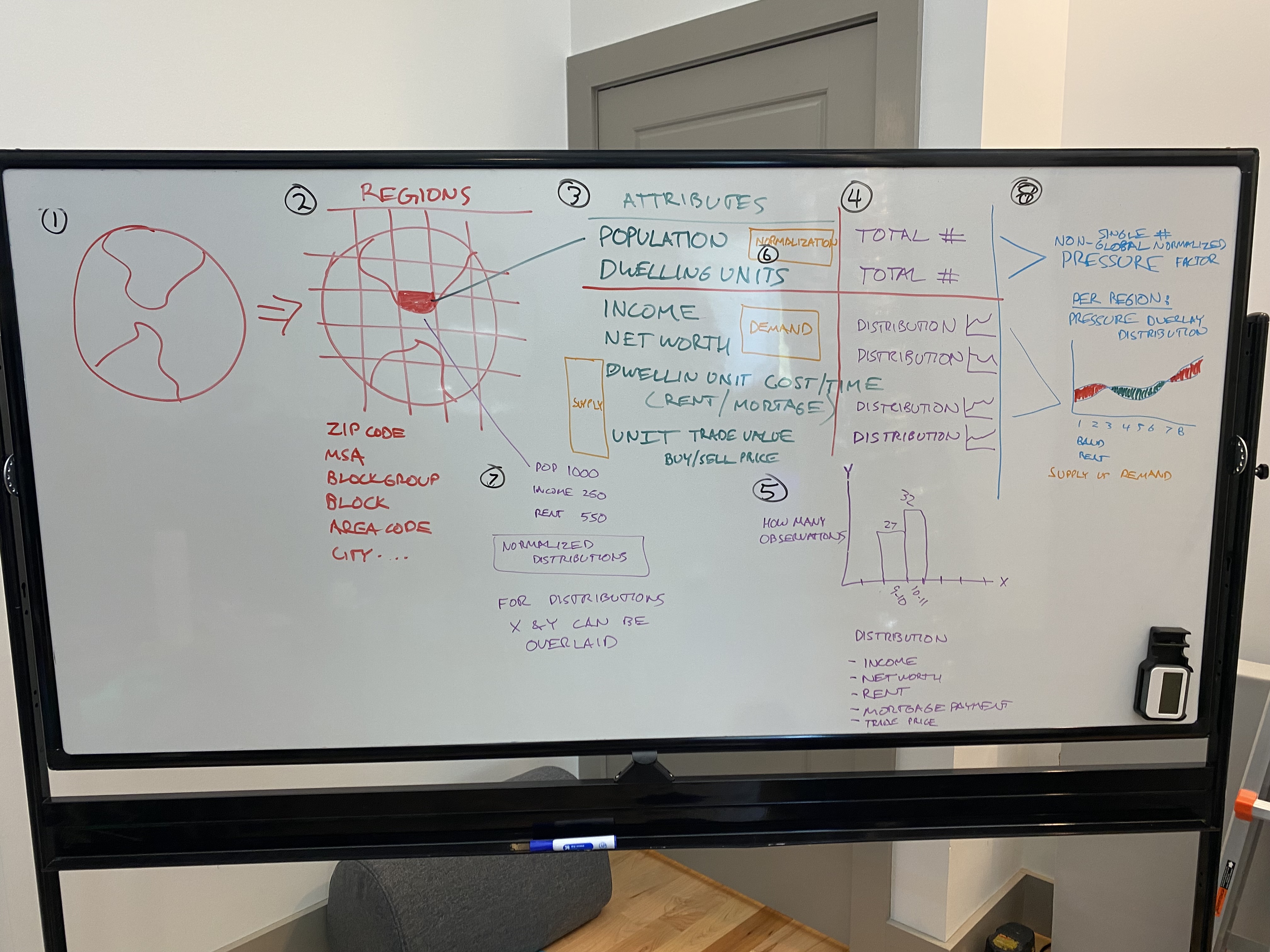
Abstract representations of entities and relationships are structured for efficient storage, querying, and interpretation.
Pipelines and structures turn raw data into packaged, sellable, and repeatable products with defined schemas and use cases.