Feature engineering systems
Processes transform raw data into structured inputs that are better suited for learning and inference.
ETL / ELT systems
Pipelines extract, transform, and load data across systems while enforcing schema, quality, and timing constraints.
Pipelines extract, transform, and load data across systems while enforcing schema, quality, and timing constraints.
This domain is valuable because data and AI systems expose the full path from collection to action. They make it obvious that storage, transformation, meaning, trust, and incentives all shape the value of the output.
The transfer advantage is strong here. Learning to ask where data came from, how it changed, and who is rewarded by its use builds a habit that improves product, operational, and strategic thinking in other domains. This domain gets more useful when it is compared with adjacent systems instead of being treated as a silo. That is where reusable judgment starts to form.
Processes transform raw data into structured inputs that are better suited for learning and inference.
Infrastructure deploys trained models for real-time or batch inference under latency and scaling constraints.
Pipelines move user, context, and bidding data through intermediaries to enable real-time advertising decisions.
Alteryx is A data preparation and analytics platform for blending, transforming, and analyzing data.
Amazon EMR is a managed big data platform for processing large datasets.
Apache Spark is a distributed data processing engine for large-scale computation.

Designed a unified data model to integrate any data source into a big data geospatial analytics program, handling over 100TB of data in GCS and BigQuery with...
Built the AWS infrastructure behind a public DKAN civic data platform, and turned an undocumented city parcel database into a vacancy map that informed policy.
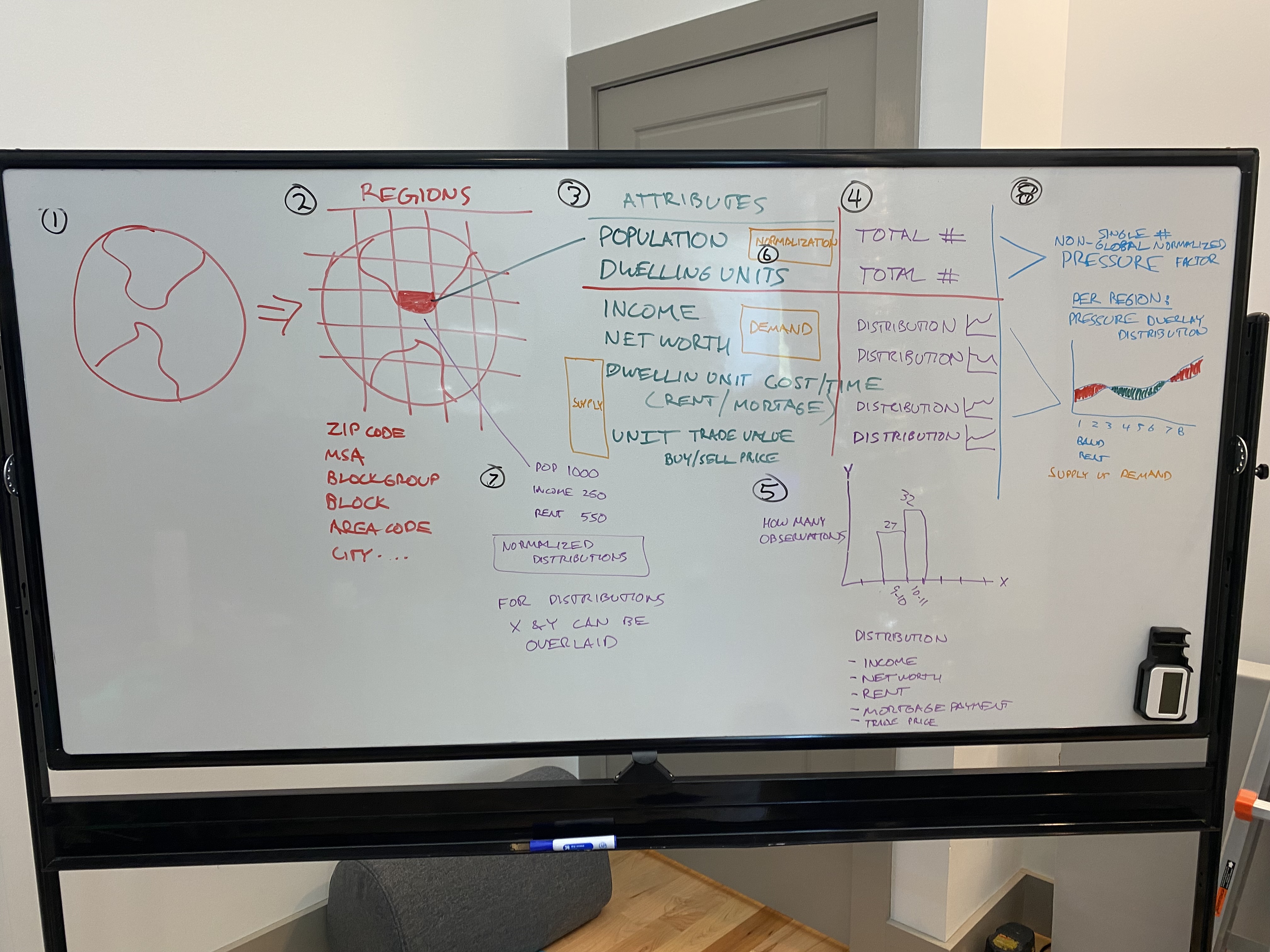
Tracking systems record the origin, transformations, and dependencies of data across pipelines and reports.
Market structures exchange data as a product by aligning suppliers and consumers through pricing, packaging, and access controls.