Operations and Delegation Layer for an Executive Peer Group Company
Helping a decades-old executive peer group company codify its working knowledge into documented processes a small team can run through the next stage of growth.
Project management systems
Structured coordination frameworks decompose goals into tasks, track dependencies, and manage execution over time using tools, priorities, and feedback cycles.
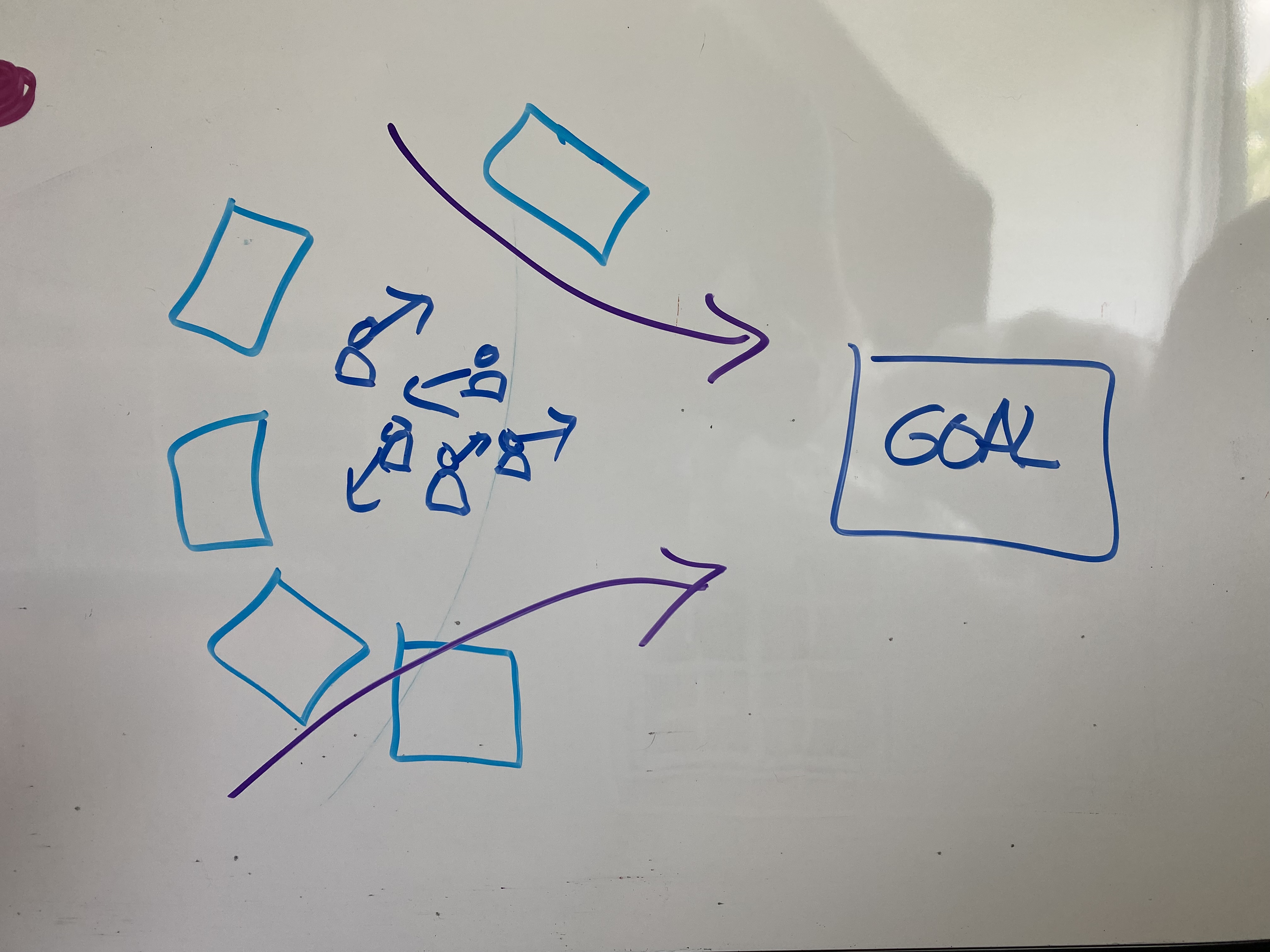
Structured coordination frameworks decompose goals into tasks, track dependencies, and manage execution over time using tools, priorities, and feedback cycles.
This domain is valuable because coordination problems become visible here. It clarifies who decides, what gets measured, where resources flow, how incentives align or drift, and how feedback changes behavior over time.
The transfer is practical. Once you can read incentives and coordination costs in one organization or market, you get faster at diagnosing why other systems stall, scale, or move in the wrong direction. This domain gets more useful when it is compared with adjacent systems instead of being treated as a silo. That is where reusable judgment starts to form.
Helping a decades-old executive peer group company codify its working knowledge into documented processes a small team can run through the next stage of growth.
Structures determine how value is quantified and exchanged by balancing cost, demand, and perceived utility.

Structures define, present, negotiate, and track potential work or deals.
Mechanisms distribute income among stakeholders based on contribution, ownership, or agreement.

Processes source, develop, and retain people aligned with organizational needs.

How how I think about tasks as part of a larger execution system.