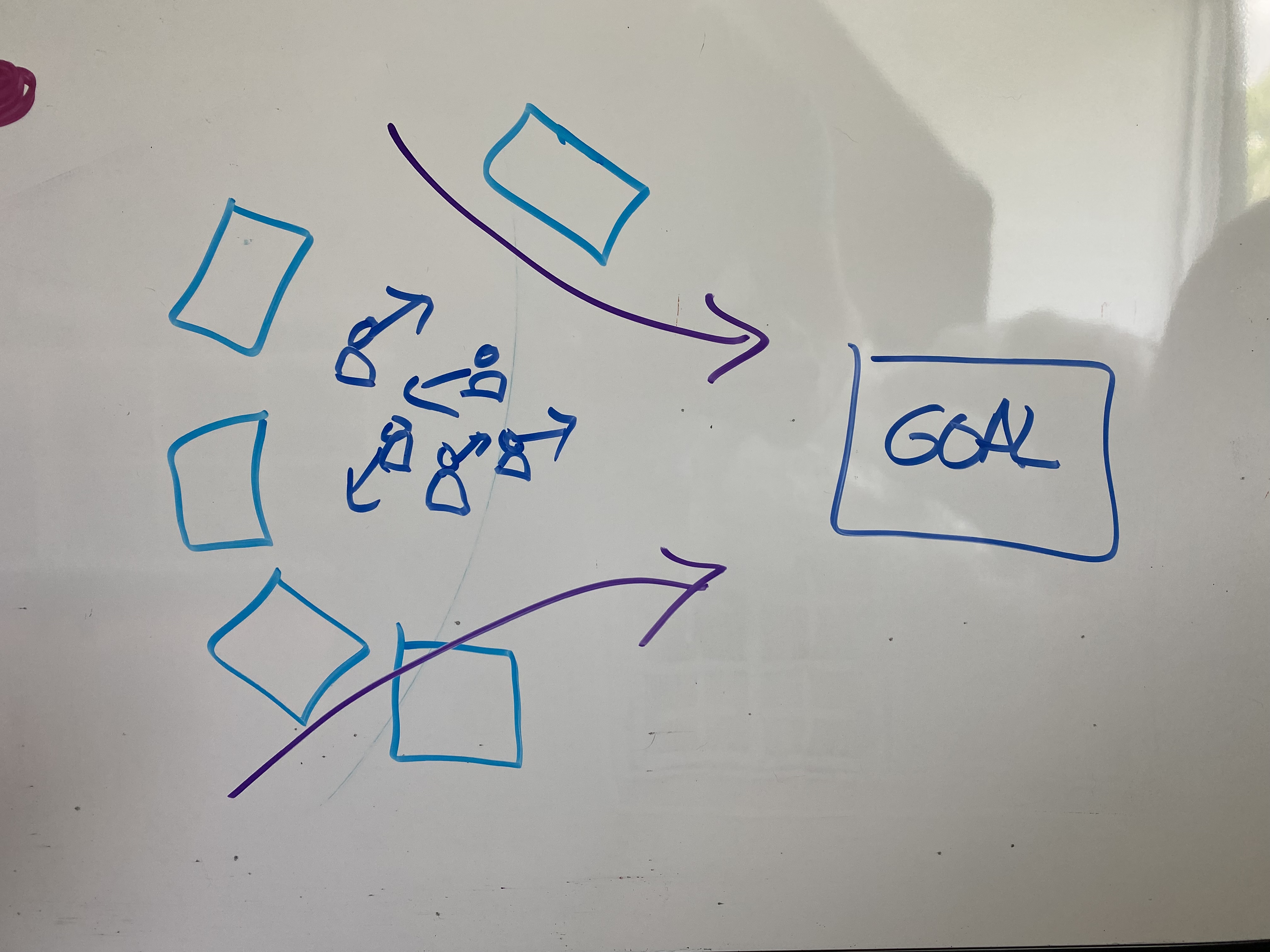
Multi-project coordination systems
Frameworks manage multiple concurrent efforts with shared resources, overlapping timelines, and interdependent decisions.
Project management systems
Structured coordination frameworks decompose goals into tasks, track dependencies, and manage execution over time using tools, priorities, and feedback cycles.

Structured coordination frameworks decompose goals into tasks, track dependencies, and manage execution over time using tools, priorities, and feedback cycles.
This domain is valuable because coordination problems become visible here. It clarifies who decides, what gets measured, where resources flow, how incentives align or drift, and how feedback changes behavior over time.
The transfer is practical. Once you can read incentives and coordination costs in one organization or market, you get faster at diagnosing why other systems stall, scale, or move in the wrong direction. This domain gets more useful when it is compared with adjacent systems instead of being treated as a silo. That is where reusable judgment starts to form.
Frameworks manage multiple concurrent efforts with shared resources, overlapping timelines, and interdependent decisions.
Project Management is the planning, execution, and control of projects to achieve specific objectives.

Organizations are designed to discover and scale product-market fit by aligning capital, talent, and execution under uncertainty with staged risk and feedback loops.

Groups of individuals organized around shared objectives develop roles, communication patterns, and lifecycle stages from formation through performance and dissolution.
Systems ensure stakeholders such as partners, teams, and investors share a common understanding of goals, roles, timelines, and outcomes.
Engagements advising teams and organizations on strategy, architecture, and technical execution.
Structures define roles, responsibilities, and reporting relationships to improve coordination and decision-making.
Frameworks guide ventures from idea to validation to scaling to operation to exit or continuation.
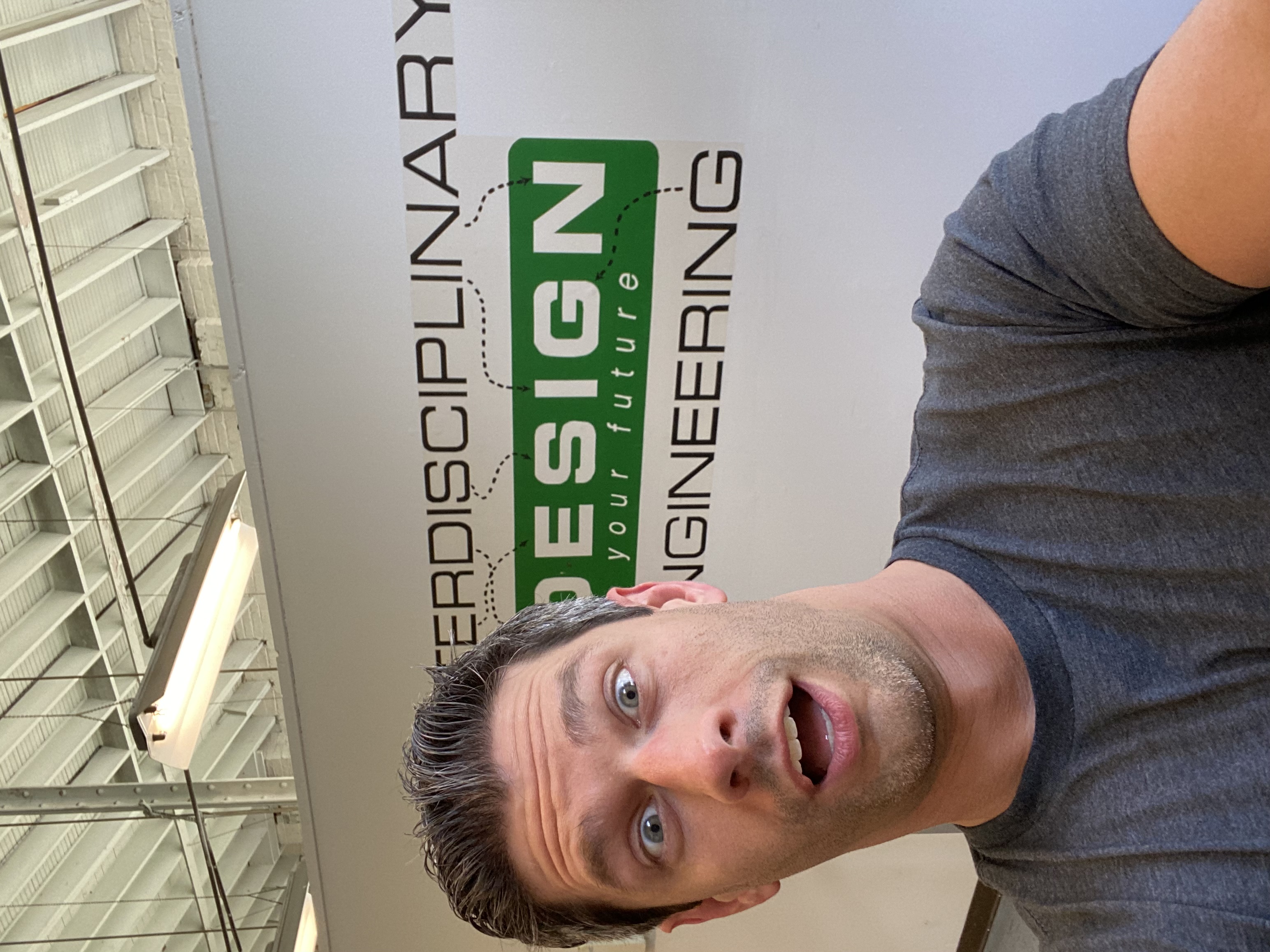
How a student-run LLC at Missouri S&T became my first real operating system for shipping interdisciplinary work — years before Lumate.
Channels and protocols enable information flow between individuals and teams.