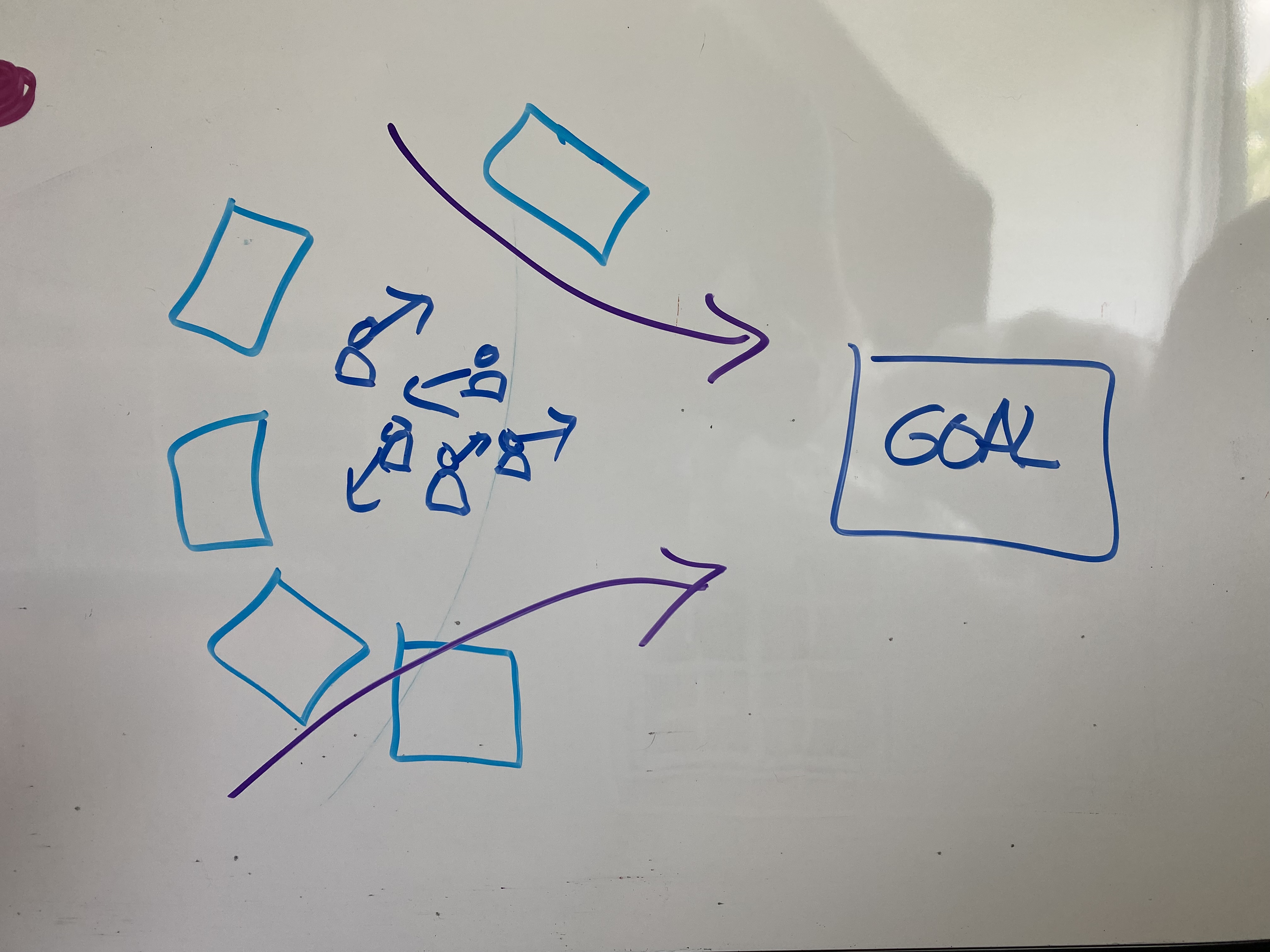
Task prioritization systems
Methods rank and select work based on impact, urgency, opportunity cost, and constraints.
Project management systems
Structured coordination frameworks decompose goals into tasks, track dependencies, and manage execution over time using tools, priorities, and feedback cycles.

Structured coordination frameworks decompose goals into tasks, track dependencies, and manage execution over time using tools, priorities, and feedback cycles.
This domain is valuable because coordination problems become visible here. It clarifies who decides, what gets measured, where resources flow, how incentives align or drift, and how feedback changes behavior over time.
The transfer is practical. Once you can read incentives and coordination costs in one organization or market, you get faster at diagnosing why other systems stall, scale, or move in the wrong direction. This domain gets more useful when it is compared with adjacent systems instead of being treated as a silo. That is where reusable judgment starts to form.
Methods rank and select work based on impact, urgency, opportunity cost, and constraints.
Structured recording and reporting frameworks track assets, liabilities, revenue, and compliance across time.

A construction consulting firm where I helped build the operating systems, tooling, and reporting infrastructure.
Real-time auction-based systems route user data through intermediaries to match advertisers with impressions under latency, targeting, and compliance constraints.

Helped a team of 10 engineers adopt issue tracking, documentation, sprint planning, standups, demos, and retrospectives. Introduced workstreams based on team...
Building a FinOps program for a 150-person engineering organization that had just left its own data center — tagging, cost allocation, committed-use strategy, and teaching cloud cost to engineers who had never bought capacity by the hour.
Built Tableau dashboards from AWS Cost and Usage Reports to give leadership visibility into cloud spend using Tableau, Tableau Server, AWS Athena, S3, and...
Calendar, Scheduling, and Logistics Management is the coordination of time, resources, and activities to ensure efficient operations.

My calendar is one of the primary ways I make commitments visible and real.
Structures raise, allocate, and manage capital across ventures, including funds, syndications, and investor relationships.