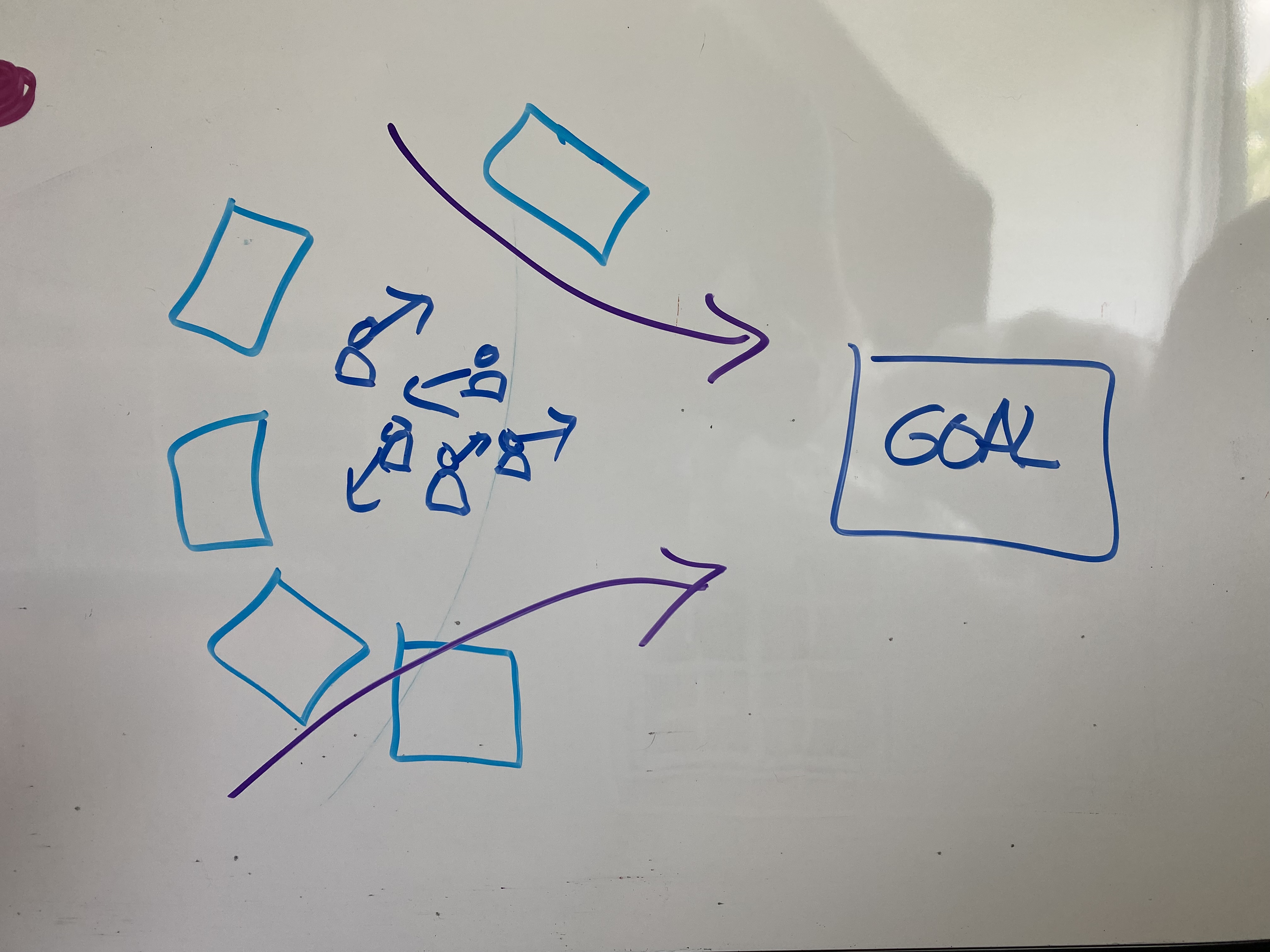
This page describes how I think about tasks as part of a larger execution system.
Tasks are not just reminders. They are commitments, dependencies, and signals about what needs to move forward. A good task system helps me follow through, coordinate with others, and reduce the risk that important work disappears into memory or confusion.
I care a great deal about making tasks visible, trackable, and connected to actual strategy rather than leaving them as disconnected pieces of effort.
What The Task System Is For
The task system exists to make work visible enough that it can be tracked, prioritized, shared, and completed.
- important work should not disappear into memory
- tasks should connect to strategy, not just urgency
- follow-up should be visible
- ownership should be clear
Task Management
- In Jira
- Shared with my team
- All my tasks are tracked so I know when to follow up
- All tasks have a strategy
- We developed an internal system to manage all of it
- These show up on my calendars
- This is how due dates get completed
- The hardest tasks are often not already on the calendar, with no simple way to know when they will be done
Repeating Tasks
- Must be reliably repeatable by the mechanism of automation
- Failures must be knowable and fixable
- This is handled by the scheduler
Important Constraint
The hardest work is often not the thing already sitting on the calendar. It is the work that still needs a path, an owner, and a visible follow-up loop. That is why the task system has to do more than hold reminders. It has to make execution legible.