Horizontal Scaling
Horizontal Scaling is the ability to increase system capacity by adding more machines.
Operational scaling systems
Processes enable organizations to grow output without proportional increases in cost or complexity.
Processes enable organizations to grow output without proportional increases in cost or complexity.
This domain is valuable because coordination problems become visible here. It clarifies who decides, what gets measured, where resources flow, how incentives align or drift, and how feedback changes behavior over time.
The transfer is practical. Once you can read incentives and coordination costs in one organization or market, you get faster at diagnosing why other systems stall, scale, or move in the wrong direction. This domain gets more useful when it is compared with adjacent systems instead of being treated as a silo. That is where reusable judgment starts to form.
Horizontal Scaling is the ability to increase system capacity by adding more machines.
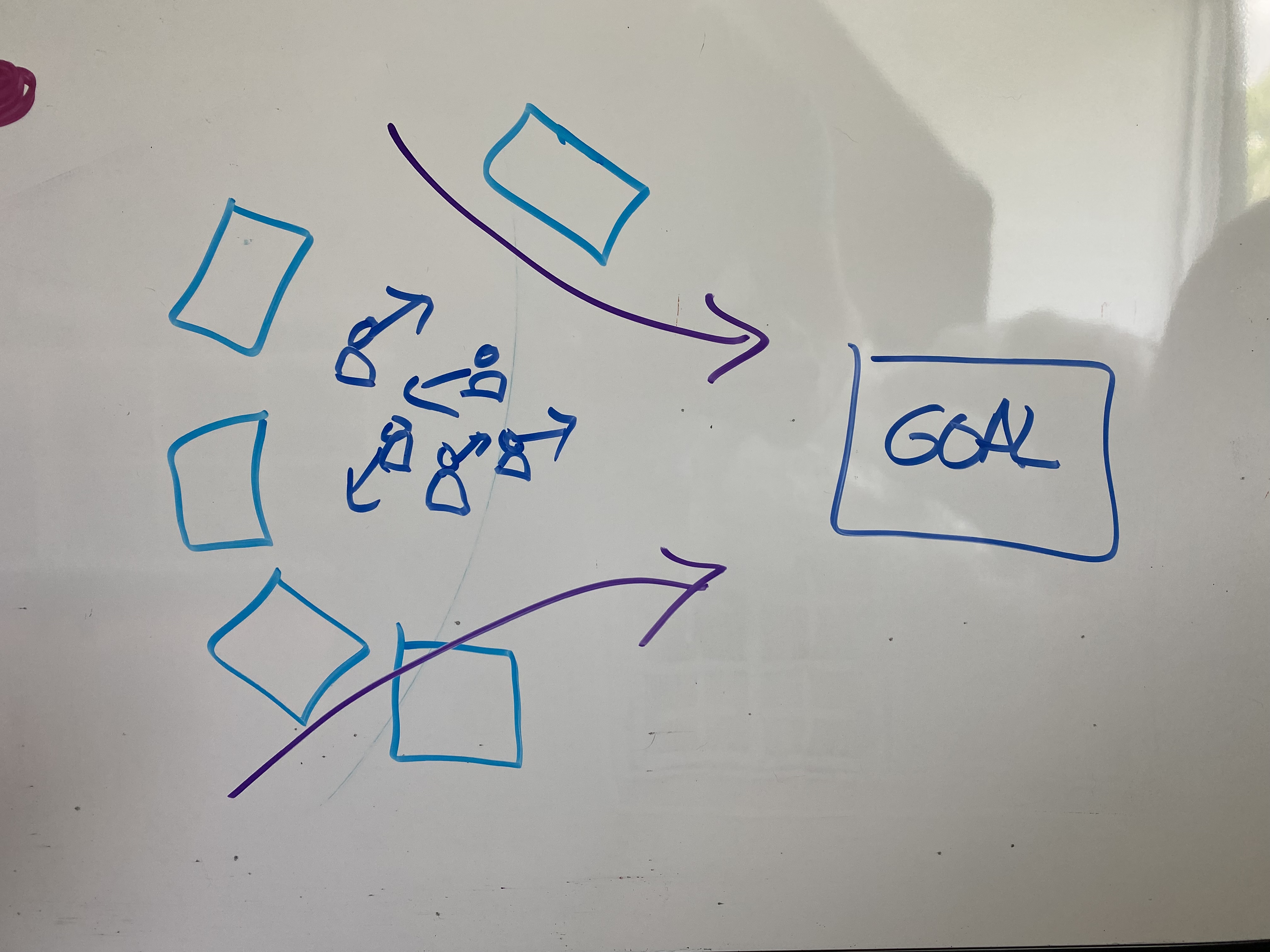
Operations is the management of processes that produce and deliver products or services.
Why cloud architecture is not only about services and scale, but about what a team becomes able to do.
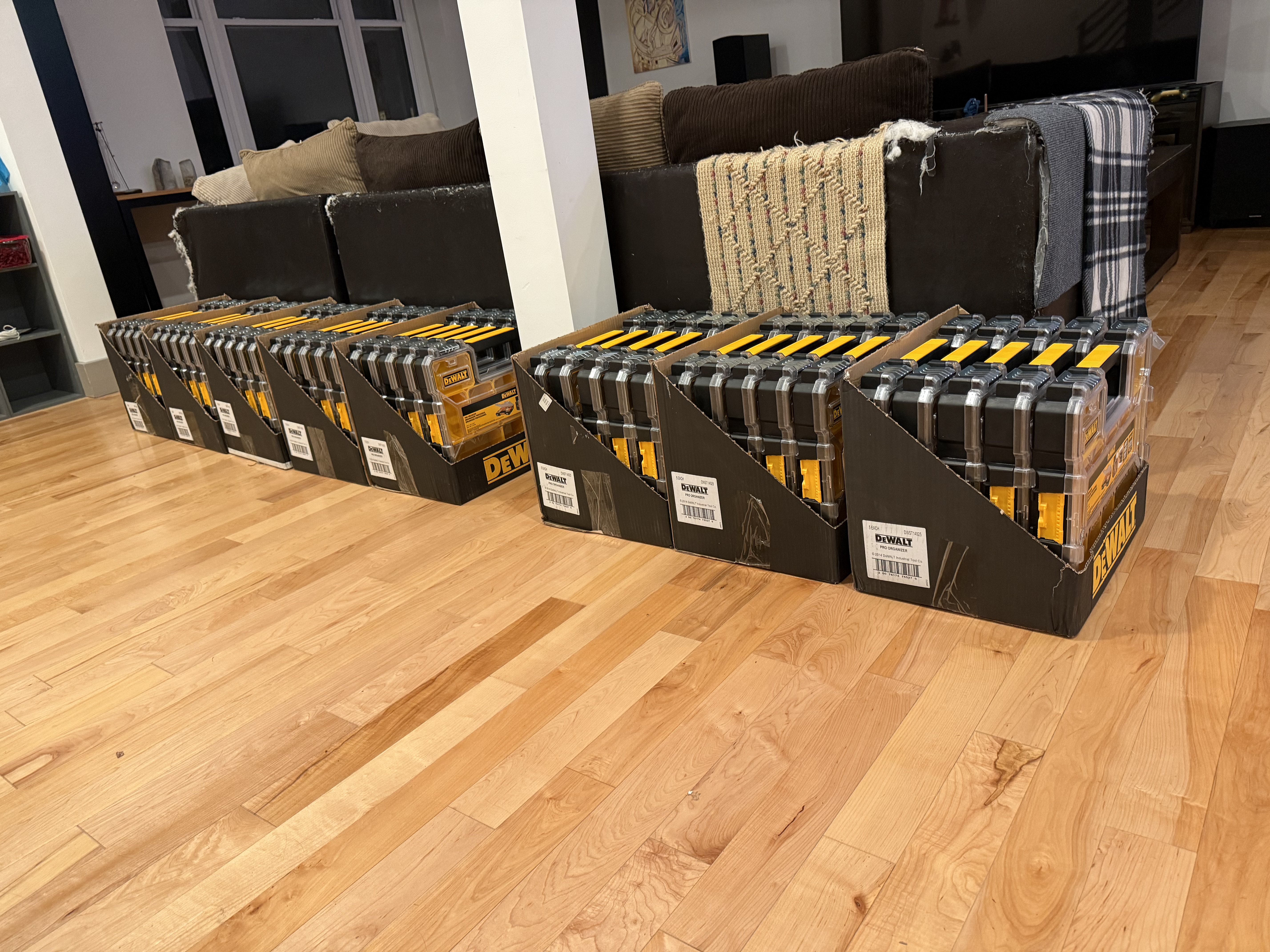
Three moves that turn organizational chaos into a working system: structure the environment first, then build rhythm and visibility, then lock the understanding into documentation.
Three principles behind how I approach system-building: design for durability, make collaboration structural, and move through work in clear phases.
Docker is a containerization platform for packaging and deploying applications.
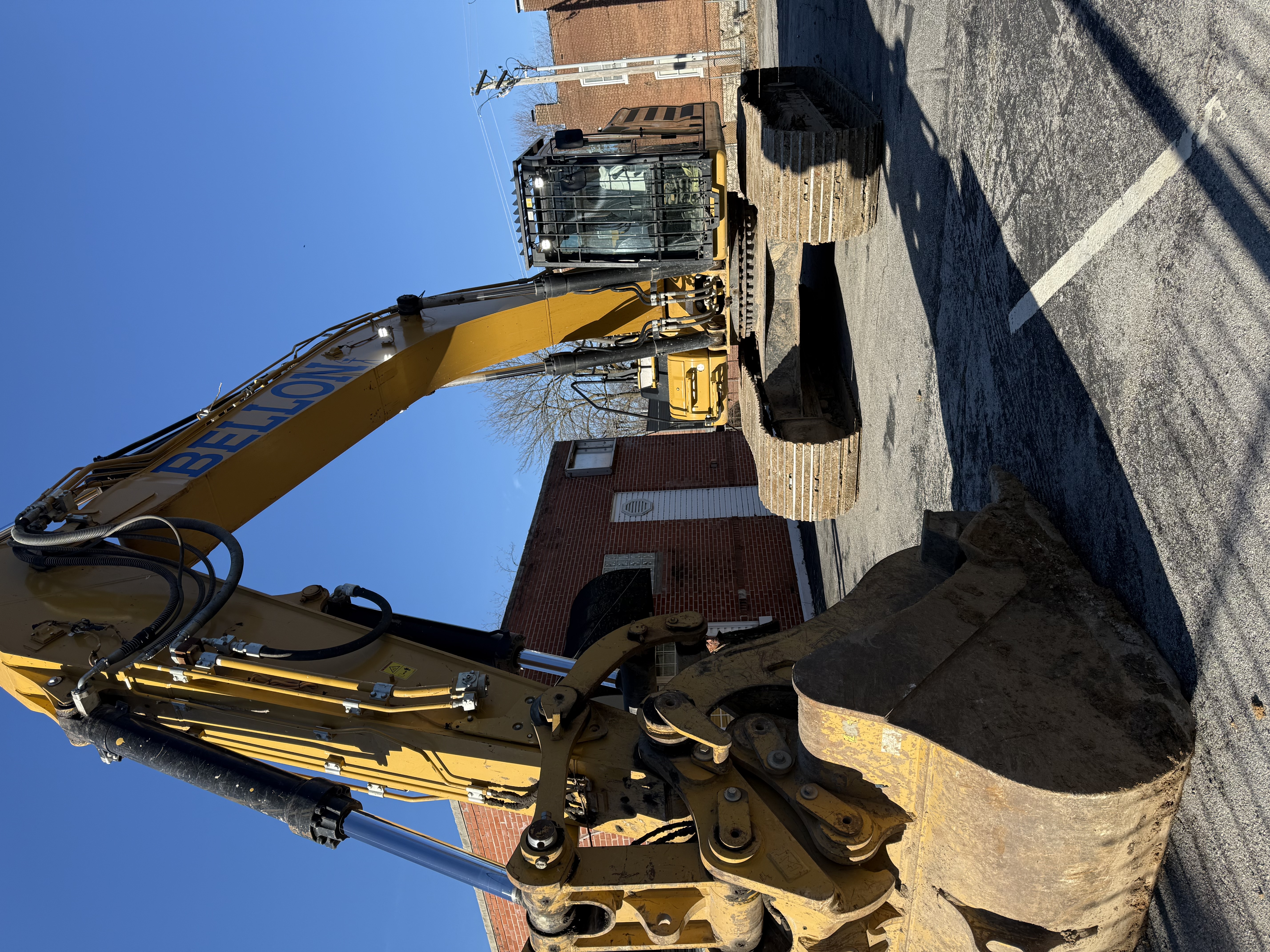
A construction consulting firm where I helped build the operating systems, tooling, and reporting infrastructure.
Seven years of AWS operations for a cart-recovery platform — from ad-hoc troubleshooting to a Docker, Terraform, and ECS deployment system a growing team can run.
A youth sports ticketing and gate platform where I lead cloud infrastructure and reliability.
Cloud infrastructure and reliability for a youth-sports ticketing platform, where weekend traffic spikes meet a serverless architecture and a gate that cannot fail.