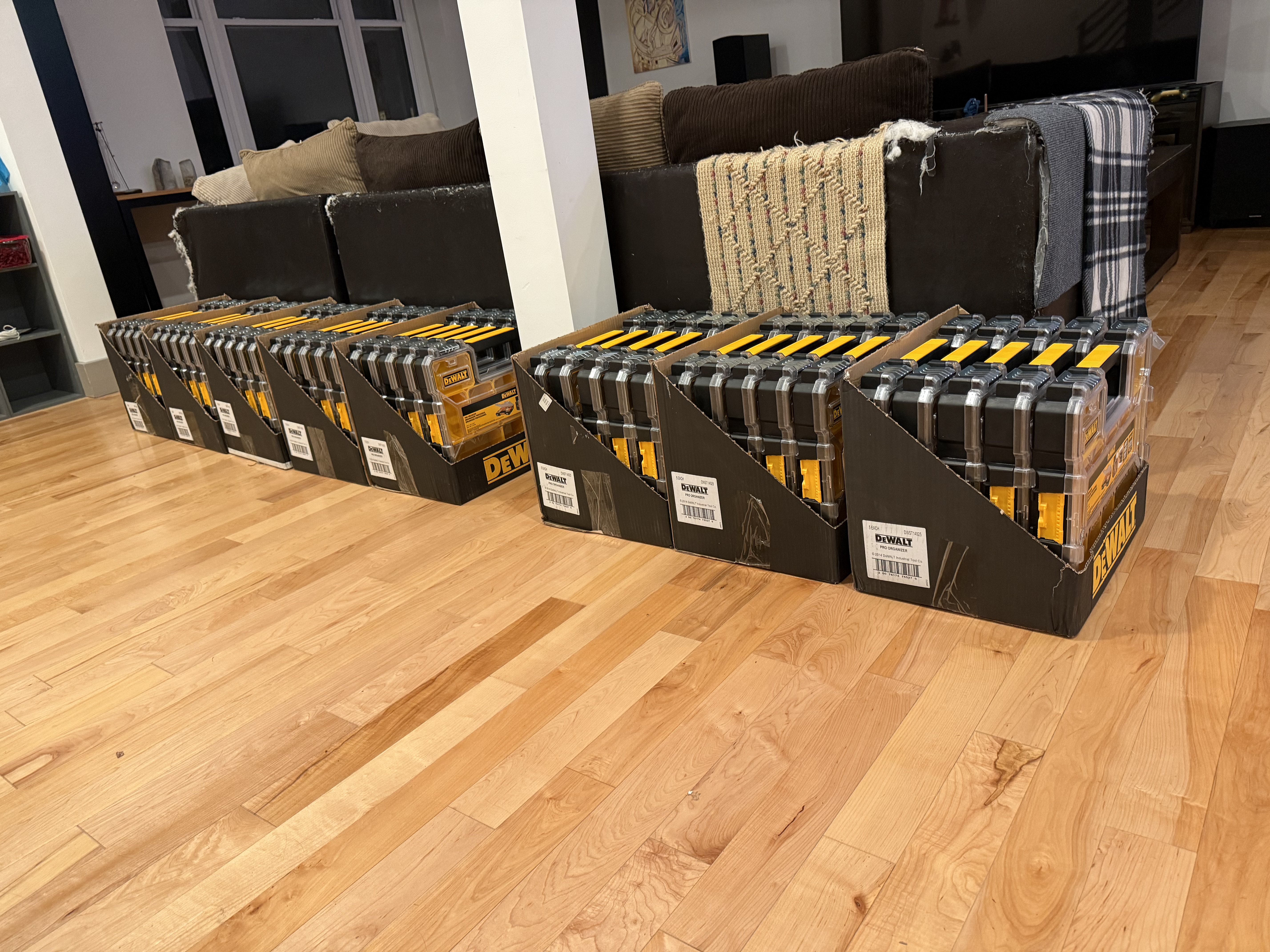
Many organizations do not need more motion first. They need better structure first.
That is a hard thing to say because motion feels productive. But the pattern in systems work is consistent: organizations operating in confusion tend to compound it when they move faster. Speed is only useful after the system is understandable.
The better sequence is: organize the chaos, then build cadence and visibility, then preserve the understanding in documentation that keeps the system usable over time.
Organize Chaos Into Working Systems
The move from chaos to legibility starts before any major build happens. It starts with understanding what is actually going on — where work is getting lost, how teams are coordinating badly, which parts of the system are invisible to the people trying to run it.
Organizing chaos is not cosmetic work. It is foundational work.
That can mean mapping a messy environment, clarifying ownership, turning vague concerns into a backlog, defining a phased plan, or making key dependencies visible. The specific form matters less than the outcome: a situation understandable enough that the team can stop reacting blindly and start operating intentionally.
Until that structure exists, most organizations default to urgency instead of coherence. They move quickly, but the motion compounds confusion instead of reducing it.
Operational Cadence and Visibility
Plans matter, but plans are not enough.
Teams become more reliable when two things improve together: cadence and visibility.
Cadence means there is a repeatable rhythm for decision-making, prioritization, review, and follow-through. Visibility means people can actually see the state of the work, the current priorities, and the health of the system without depending on rumor or memory.
The practical outcomes this creates: a trained team with a shared rhythm, dashboards and shared visibility into system state, backlogs with clear ownership, and a reliable way to know what happens next week.
Operations break down when work is happening but not legible. The team feels motion without orientation. Leaders feel risk without enough evidence. Contributors do not know whether the system is improving or only getting noisier. Cadence and visibility do not solve every problem, but they create the conditions where more problems can actually be solved.
Documentation as Operating Infrastructure
Documentation is easy to downgrade because it often arrives after the exciting part of the work.
The better framing is that documentation is operating infrastructure — part of what makes a system transferable, legible, and maintainable. It allows someone new to enter without starting from zero. It reduces dependency on memory. It helps a team align around the same model of what exists and why.
When documentation is weak, the organization pays for it in slower onboarding, repeated confusion, hidden assumptions, and brittle ownership. When documentation is strong, it becomes one of the quietest sources of scale.
SOPs, playbooks, dashboards, decision logs, and structured notes are not just records. They are part of the operating layer that keeps understanding alive after the first builder steps back. Teams that take documentation seriously are often not being bureaucratic. They are making the system survivable.
The three moves build on each other. Structure makes cadence possible. Cadence creates the visible system state that documentation can then preserve. A system that skips any of the three tends to fail at exactly the one it skipped, even when the other two are strong.
Practical next step
If you’re inside chaos right now, don’t start by “moving faster.” Start by making one small piece of structure real:
- Pick one workstream and write down: owner, objective, current state, next step.
- Create a weekly cadence where that workstream gets reviewed and re-prioritized with the same people.
- Document the decisions as you go so the system starts accumulating memory.
You don’t need perfect structure to begin. You need enough structure that the team can stop guessing and start steering.