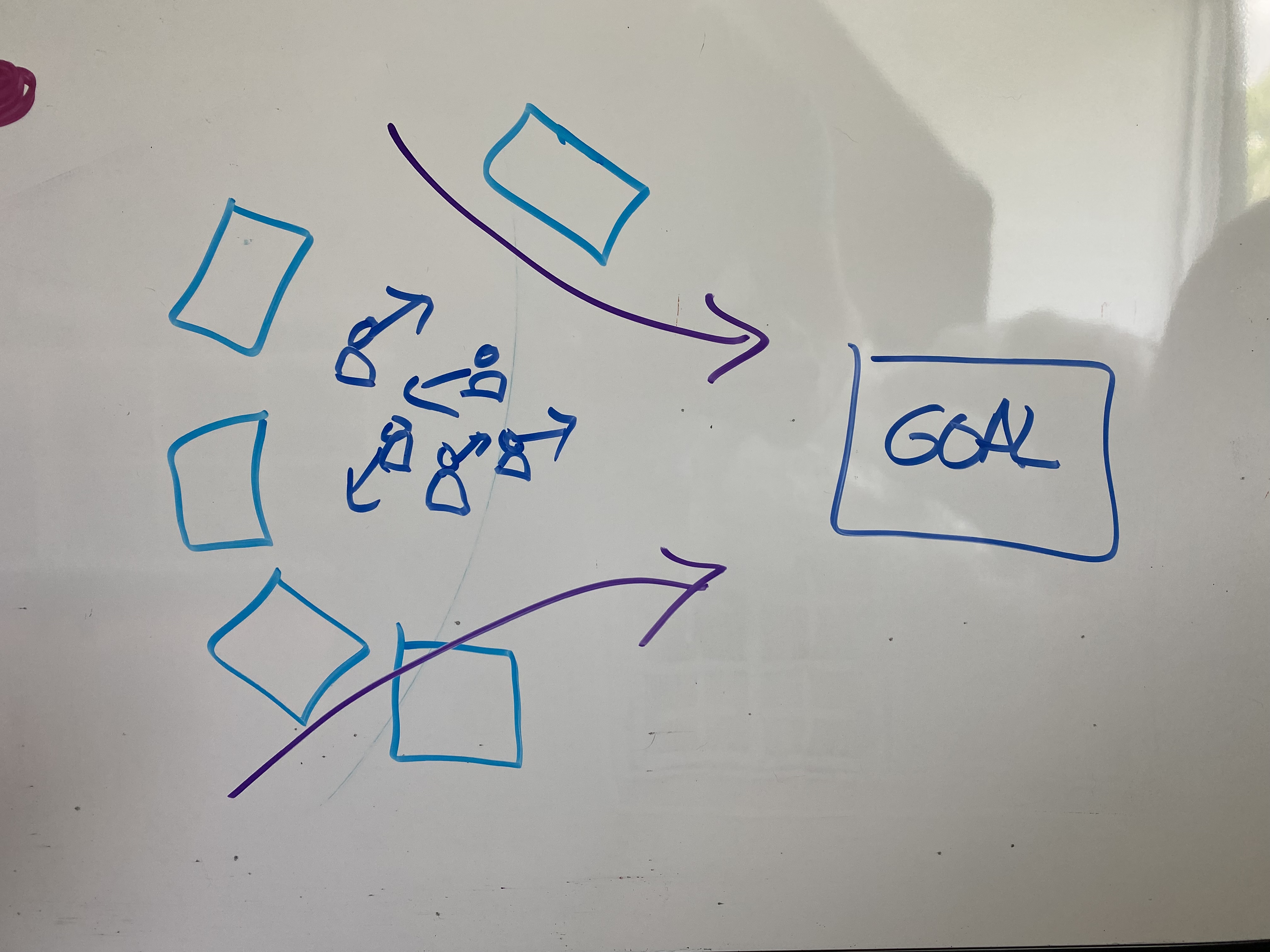
System Design Methodology
A repeatable process identifies needs, designs scalable systems, operationalizes them, trains others, and iterates through feedback loops.
Distribution systems (media)
Channels and strategies deliver content to target audiences across platforms and formats.
Channels and strategies deliver content to target audiences across platforms and formats.
This domain is valuable because it makes meaning itself legible as a system. Information has to be structured, sequenced, distributed, interpreted, and reinforced before it changes what people do.
That transfer matters across nearly everything else. Better narrative, knowledge, and communication design usually make technical, organizational, and commercial systems easier to adopt and sustain. This domain gets more useful when it is compared with adjacent systems instead of being treated as a silo. That is where reusable judgment starts to form.
A repeatable process identifies needs, designs scalable systems, operationalizes them, trains others, and iterates through feedback loops.
Frameworks organize entities, data, and knowledge using layered classification models such as categories, tags, and controlled vocabularies.
Coherent identity frameworks define messaging, visuals, and positioning over time.
A sequential plan for moving from cognitive overload to high-impact execution — plus the operating rules for collaborating with me while I do it.
App Promotion is a strategies and methods used to increase visibility, adoption, and engagement of applications.
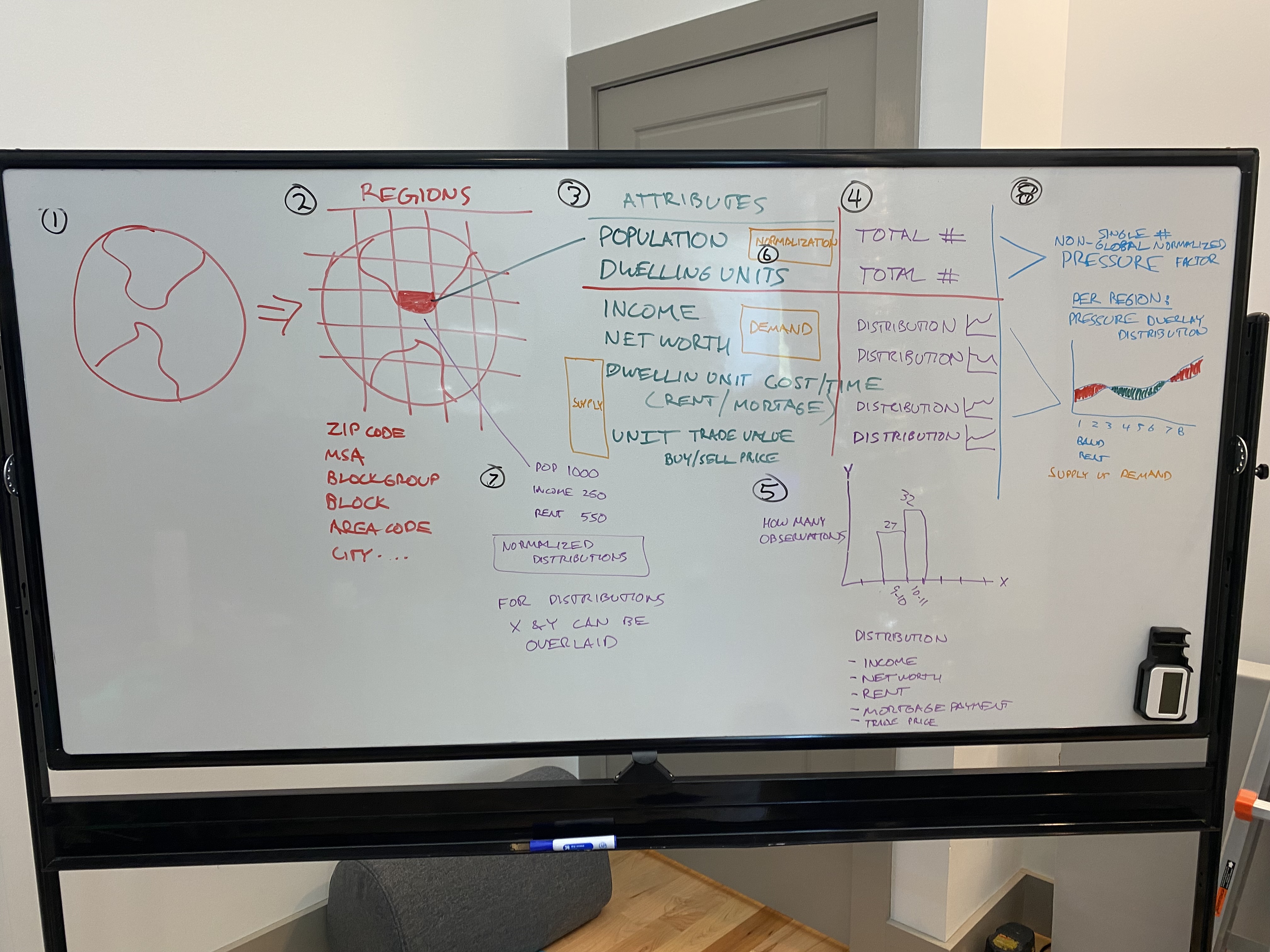
Methods group users by attributes or behavior so messaging, products, or experiences can be tailored.
How how I think about publishing ideas across websites, social media, email, video, and other channels.

Designed, installed, and tuned a proper audio system for a local yoga and meditation studio — speaker selection, placement modeling, and acoustic tuning for even coverage in a specific room.
Systems store, structure, and expose knowledge across teams and ventures using tools like Confluence, templates, taxonomies, and governance models.
Music has been part of my life for as long as I can remember.