On Call / Low Latency Response
How responsiveness and availability can create trust, momentum, and advantage.
Alignment Systems
Systems ensure stakeholders such as partners, teams, and investors share a common understanding of goals, roles, timelines, and outcomes.
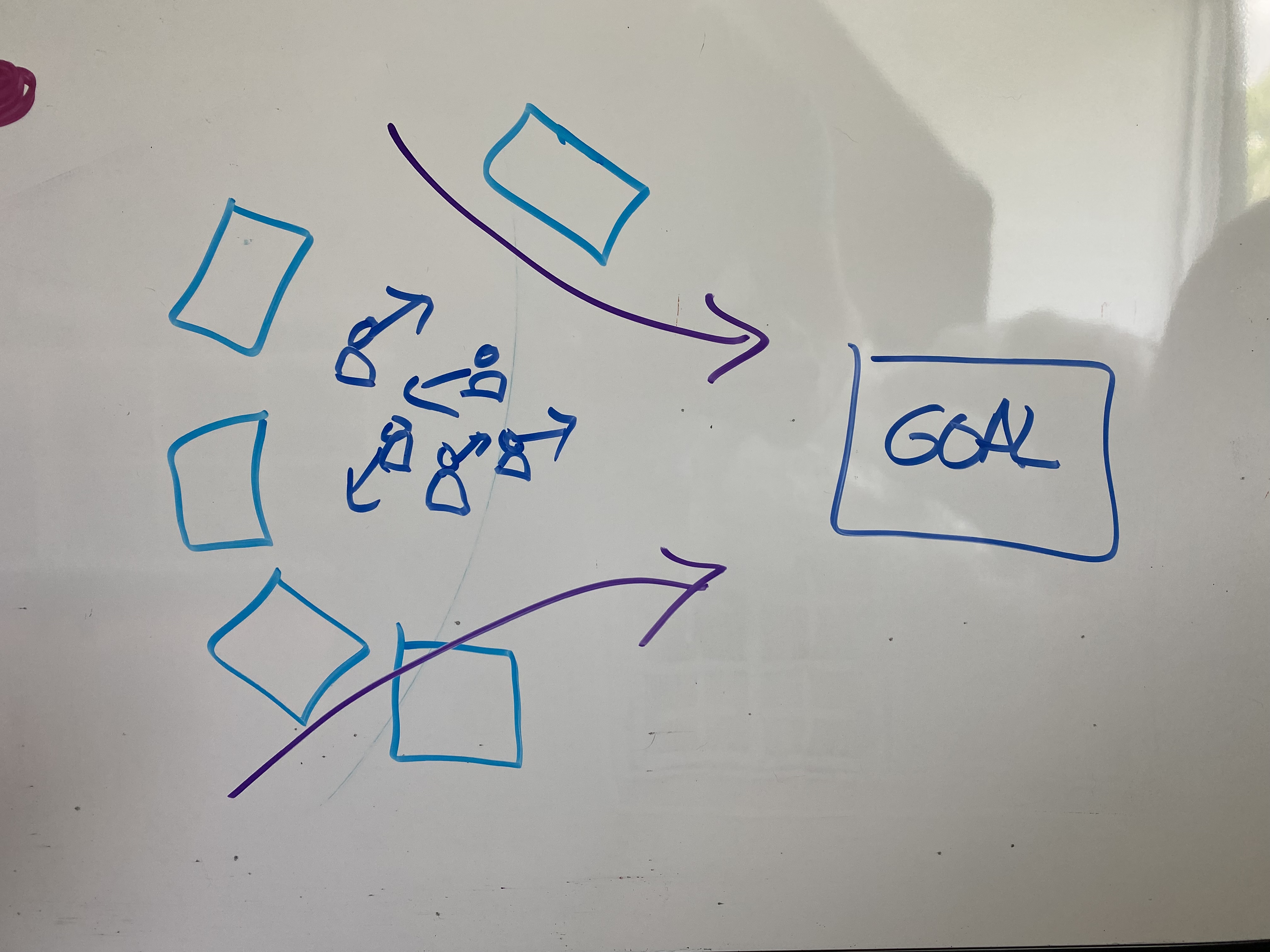
Systems ensure stakeholders such as partners, teams, and investors share a common understanding of goals, roles, timelines, and outcomes.
This domain is valuable because coordination problems become visible here. It clarifies who decides, what gets measured, where resources flow, how incentives align or drift, and how feedback changes behavior over time.
The transfer is practical. Once you can read incentives and coordination costs in one organization or market, you get faster at diagnosing why other systems stall, scale, or move in the wrong direction. This domain gets more useful when it is compared with adjacent systems instead of being treated as a silo. That is where reusable judgment starts to form.
How responsiveness and availability can create trust, momentum, and advantage.

How the right depth of understanding can differentiate judgment and capability.

How the right mix of activities can increase overall productivity and resilience.

How reputation, positioning, and public signal affect opportunity.
How attention, demeanor, and engagement shape influence and communication.
How access to resource-rich environments can shape opportunity and economics.

A venture that used human computation to create employment opportunities in developing countries while solving scientific problems. The venture explored the...
How unusual skills or combinations of skills can create disproportionate value.

How dependability compounds trust, reputation, and long-term results.
How uncertainty can be lowered without removing all upside.