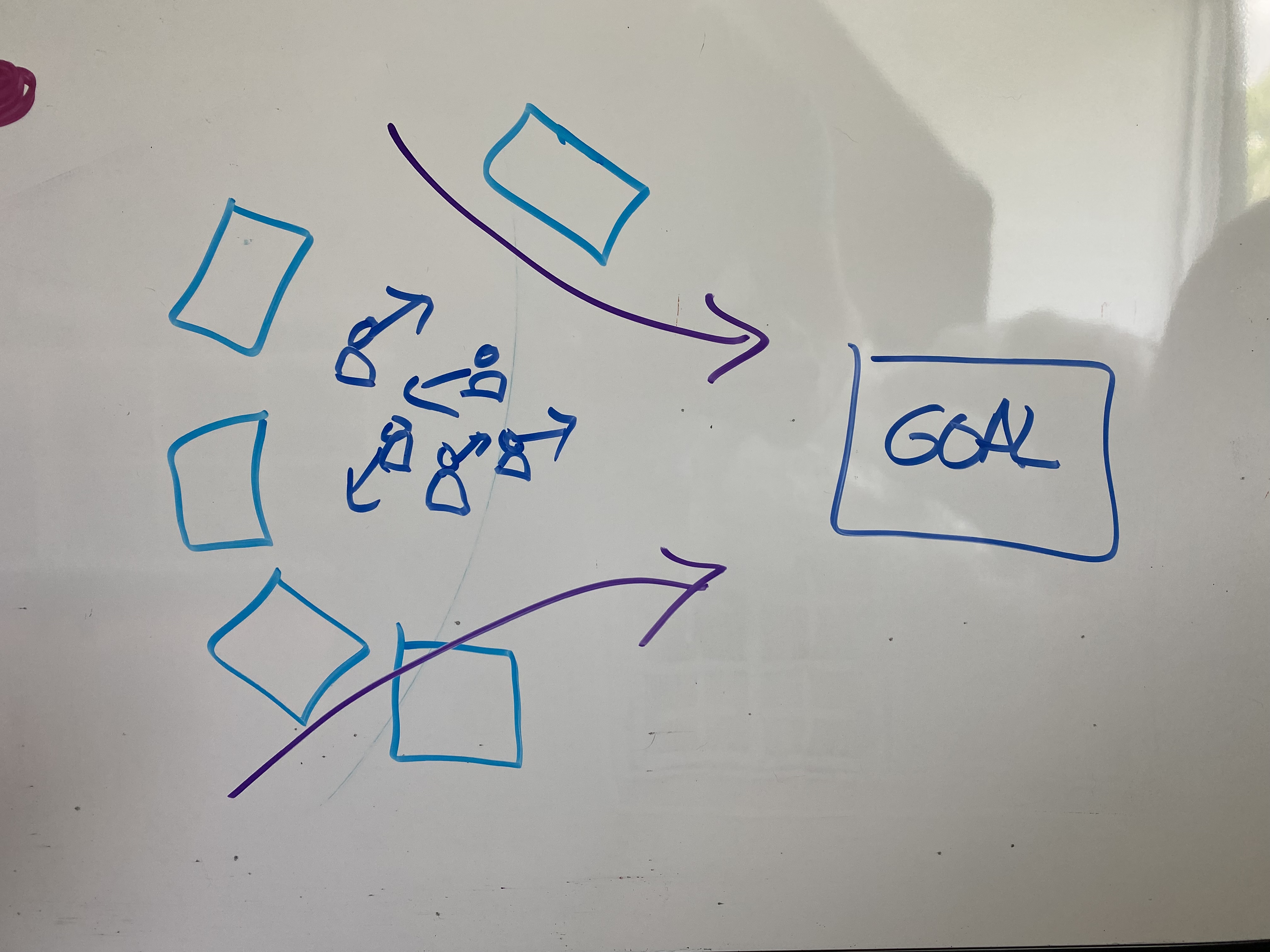
Introducing Systems Across Domains
Why cross-domain systems understanding matters, and how to use the Systems Across Domains taxonomy on this site.
Linux
Linux is an open-source operating system for servers and systems.
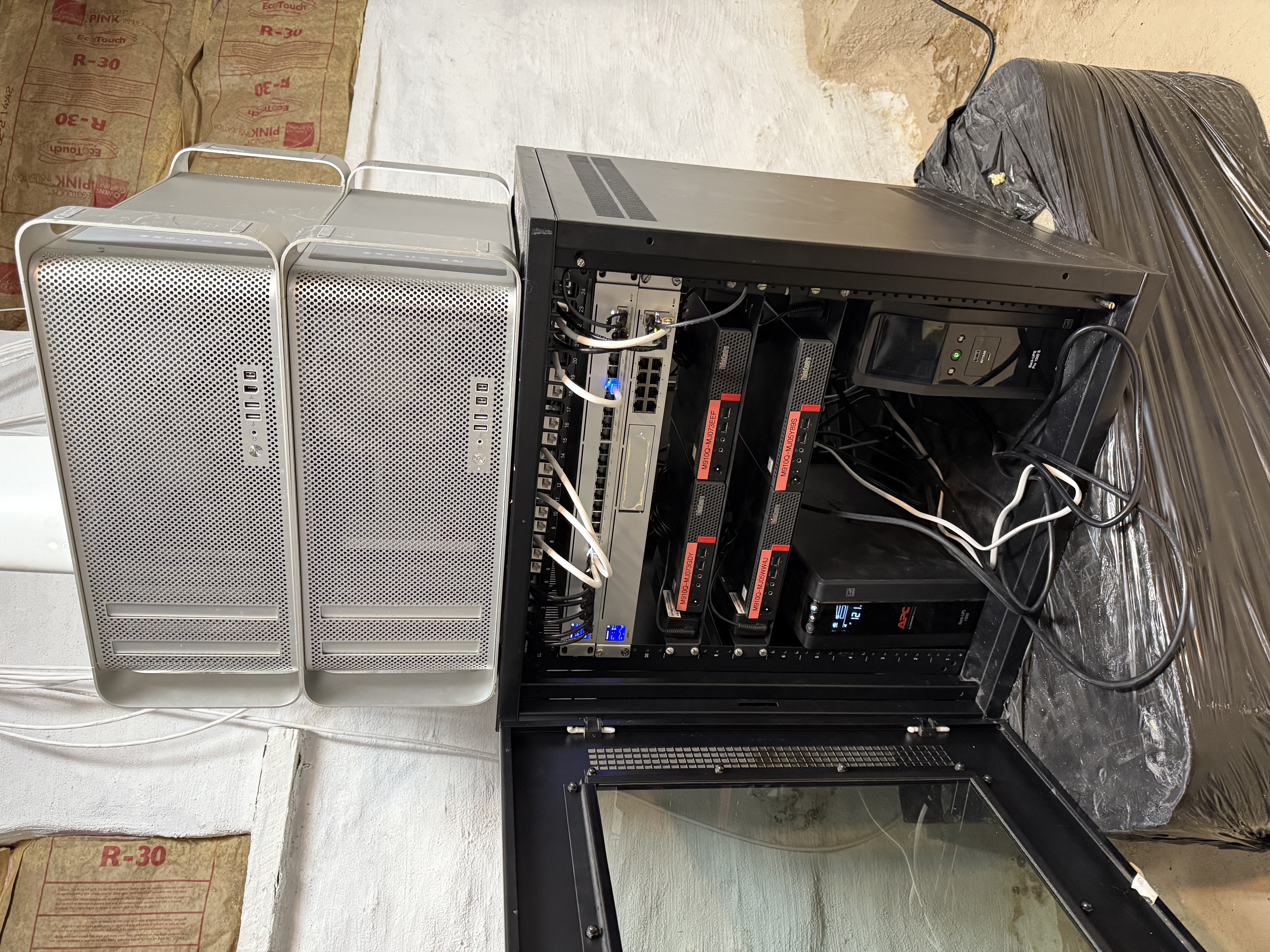
Linux is an open-source operating system for servers and systems. On this site, it is part of the practical toolset behind building systems that are easier to understand, operate, and repeat.
Learn more: https://www.kernel.org/doc/
Why cross-domain systems understanding matters, and how to use the Systems Across Domains taxonomy on this site.
Practices and controls protect systems from unauthorized access, misuse, and failure.
Shared rules create interoperability between otherwise independent systems.
Layered communication protocols define addressing, routing, and reliable data transmission across interconnected networks.
A cleaner control-plane pattern for TLS: one ACME issuer, shared certificate state, and stateless Traefik edge nodes.
Automated pipelines build, test, and deploy software changes continuously to preserve reliability and speed of iteration.
Monitoring, logging, and tracing systems provide visibility into behavior, performance, and failure modes.
Mechanisms verify identity and enforce permissions across applications and infrastructure.
Frameworks control who can access which resources under defined policies and administrative models.
Defined interfaces expose functionality or data between systems so modular integration and interoperability are possible.