
Systems Across Domains
Why cross-domain systems understanding matters, and a library of system-domain notes.
Linux
Linux is an open-source operating system for servers and systems.
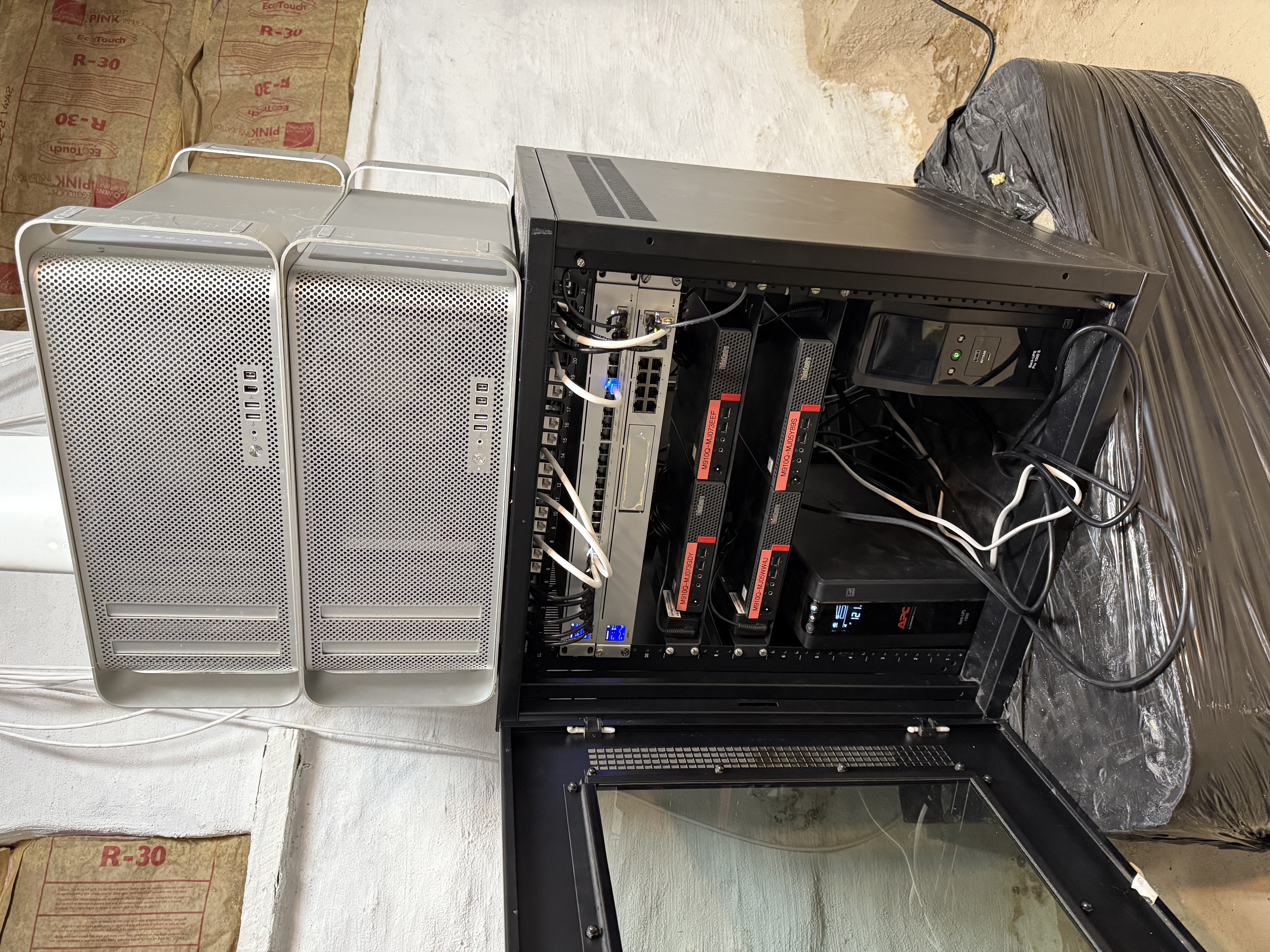
Linux is an open-source operating system for servers and systems. On this site, it is part of the practical toolset behind building systems that are easier to understand, operate, and repeat.
Learn more: https://www.kernel.org/doc/
Why cross-domain systems understanding matters, and a library of system-domain notes.
Enterprise infrastructure manages identity, communication, storage, and security to ensure controlled access, reliability, and operational continuity.
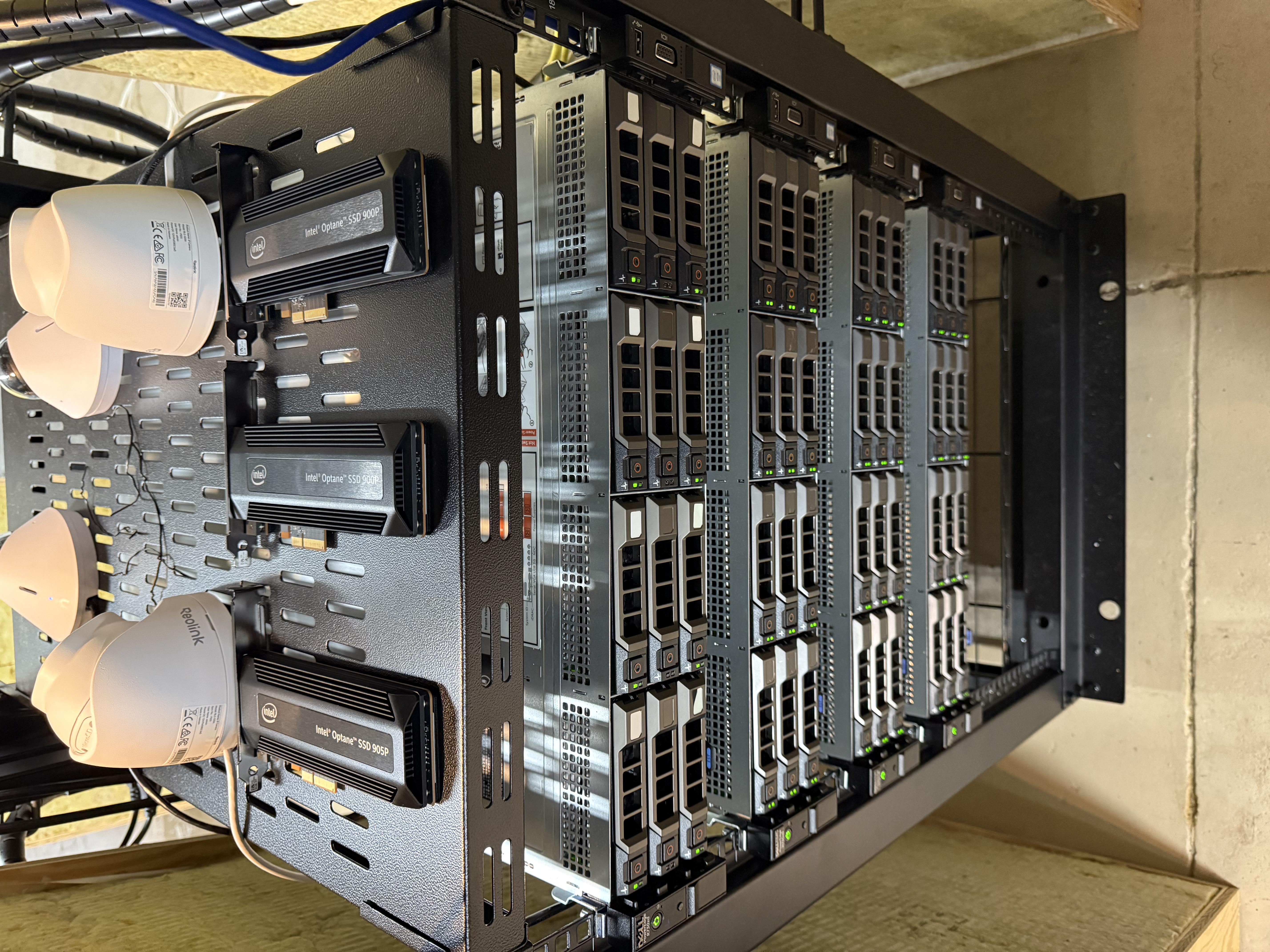
A hierarchical, permissioned operating system manages processes, memory, and files through a kernel that enforces resource isolation, scheduling, and hardware abstraction.
Decentralized software production is governed by licenses, contribution models, and maintainers, with reputation and utility coordinating distributed contributors around shared codebases.
Integrated applications combine frontend interfaces, backend logic, databases, and APIs into cohesive systems.
Extensible systems enable third parties to build on top of core infrastructure through APIs, standards, and governance.
Processes and tools build software through version control, testing, modular design, and iterative deployment to maintain reliability and evolvability.
On-demand, API-driven infrastructure is composed from modular services with explicit cost models, enabling scalable architectures through composition, isolation, and elasticity.
Multiple coordinated nodes operate under partial failure, requiring replication, coordination, and fault tolerance to deliver reliable global behavior.
Declarative configurations define infrastructure state so environments can be reproduced, versioned, and managed consistently.