Capital Systems
Structures raise, allocate, and manage capital across ventures, including funds, syndications, and investor relationships.
Team systems
Groups of individuals organized around shared objectives develop roles, communication patterns, and lifecycle stages from formation through performance and dissolution.

Groups of individuals organized around shared objectives develop roles, communication patterns, and lifecycle stages from formation through performance and dissolution.
This domain is valuable because coordination problems become visible here. It clarifies who decides, what gets measured, where resources flow, how incentives align or drift, and how feedback changes behavior over time.
The transfer is practical. Once you can read incentives and coordination costs in one organization or market, you get faster at diagnosing why other systems stall, scale, or move in the wrong direction. This domain gets more useful when it is compared with adjacent systems instead of being treated as a silo. That is where reusable judgment starts to form.
Structures raise, allocate, and manage capital across ventures, including funds, syndications, and investor relationships.

Co-Founder Compatibility is the alignment of goals, communication styles, and values among business partners.

Culture Building is the intentional development of shared values, behaviors, and norms within an organization.

Frameworks manage acquisition, onboarding, retention, and expansion of customers over time.
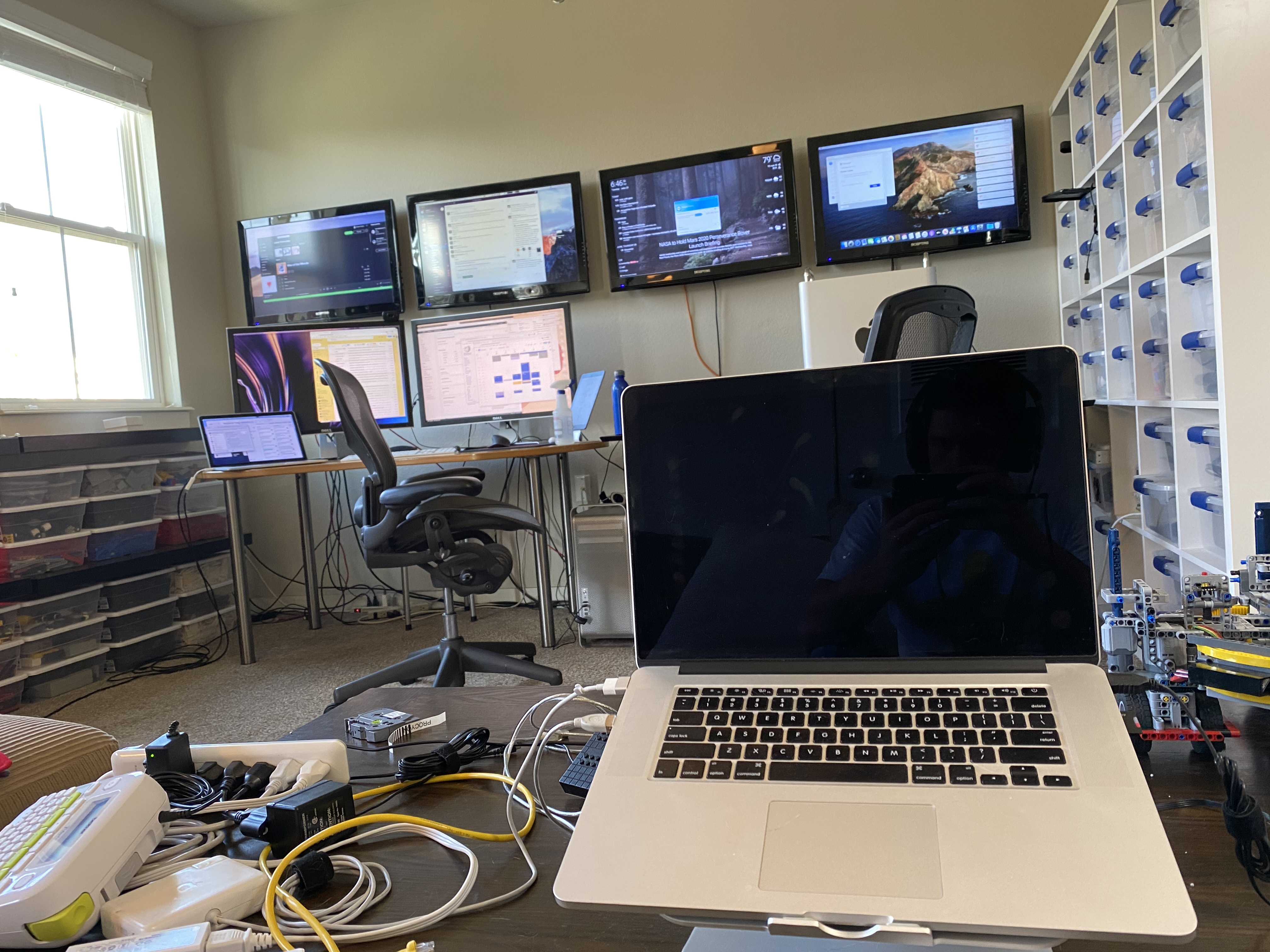
Systems model and track companies, people, projects, and finances inside a unified operational structure.
Systems connect infrastructure usage to financial outcomes so cost, performance, and accountability can be optimized across cloud and operations.
Rules and processes guide decision-making, conflict resolution, and accountability within groups.
Platforms match supply and demand participants while enforcing rules, pricing, and trust mechanisms that enable transactions.
Structures operate multiple companies or projects in parallel with shared tooling, financial systems, and knowledge infrastructure.
Dashboards and reporting systems make system state, progress, and performance visible across teams and leadership.