TCP/IP networking systems
Layered communication protocols define addressing, routing, and reliable data transmission across interconnected networks.
Open source ecosystems
Decentralized software production is governed by licenses, contribution models, and maintainers, with reputation and utility coordinating distributed contributors around shared codebases.
Decentralized software production is governed by licenses, contribution models, and maintainers, with reputation and utility coordinating distributed contributors around shared codebases.
This domain is valuable because software and platform systems make interfaces explicit. They reveal how modules compose, where abstractions leak, how change propagates, and how operational discipline keeps complex systems evolvable.
The same lens transfers far beyond software. Once you can reason about state, isolation, coordination, and failure here, you are better prepared to understand teams, institutions, and other layered systems. This domain gets more useful when it is compared with adjacent systems instead of being treated as a silo. That is where reusable judgment starts to form.
Layered communication protocols define addressing, routing, and reliable data transmission across interconnected networks.
Automated pipelines build, test, and deploy software changes continuously to preserve reliability and speed of iteration.
Monitoring, logging, and tracing systems provide visibility into behavior, performance, and failure modes.
Mechanisms verify identity and enforce permissions across applications and infrastructure.
Frameworks control who can access which resources under defined policies and administrative models.
Defined interfaces expose functionality or data between systems so modular integration and interoperability are possible.
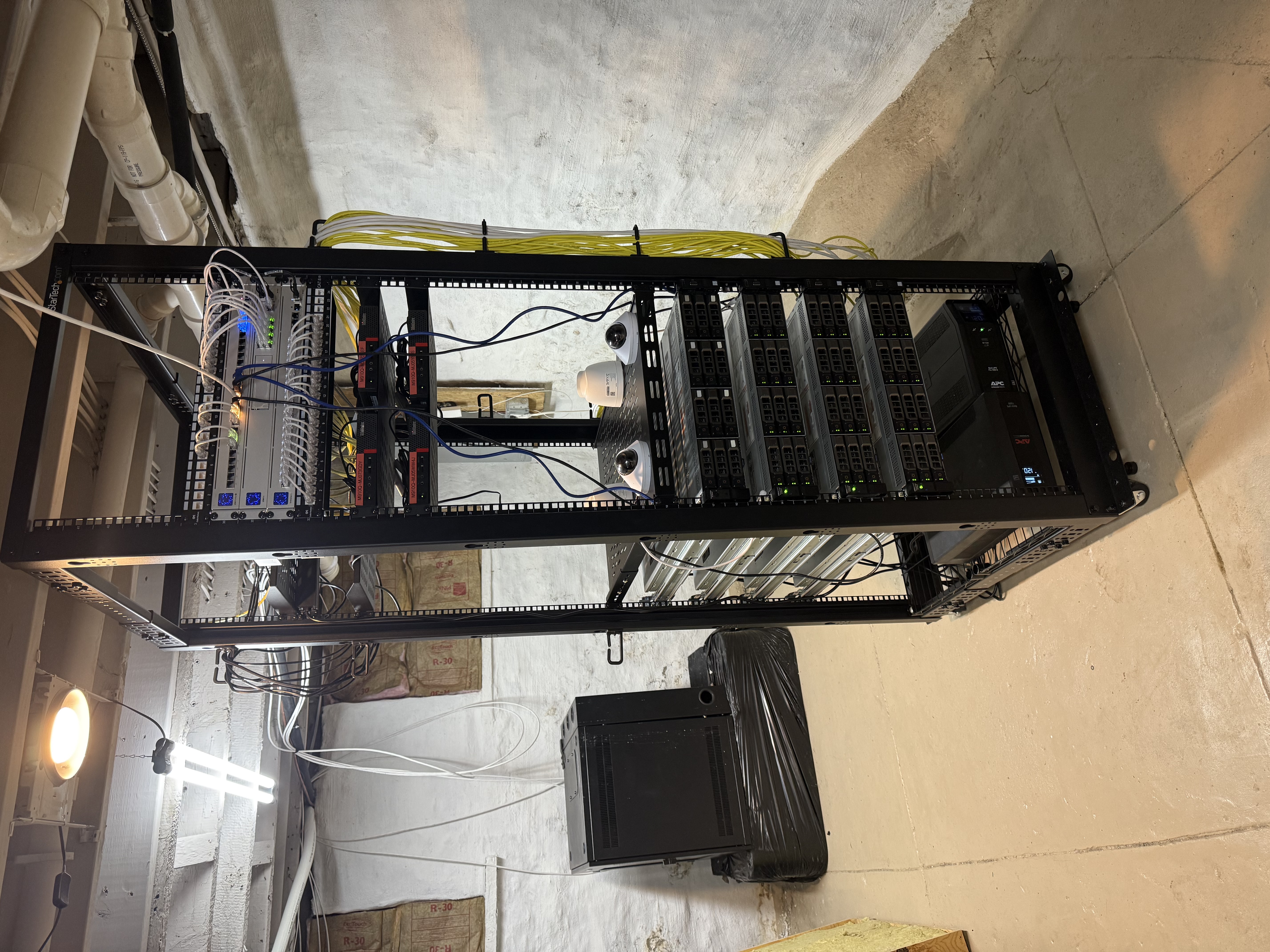
Container orchestration platforms schedule workloads, manage service discovery, and enforce desired state across clusters of compute resources.
Systems define, measure, and enforce reliability targets across infrastructure and applications.
Distributed decision systems determine network paths based on policy and topology, balancing reachability, performance, and control.
Frameworks control access to systems and data across overlapping teams, tools, and projects.