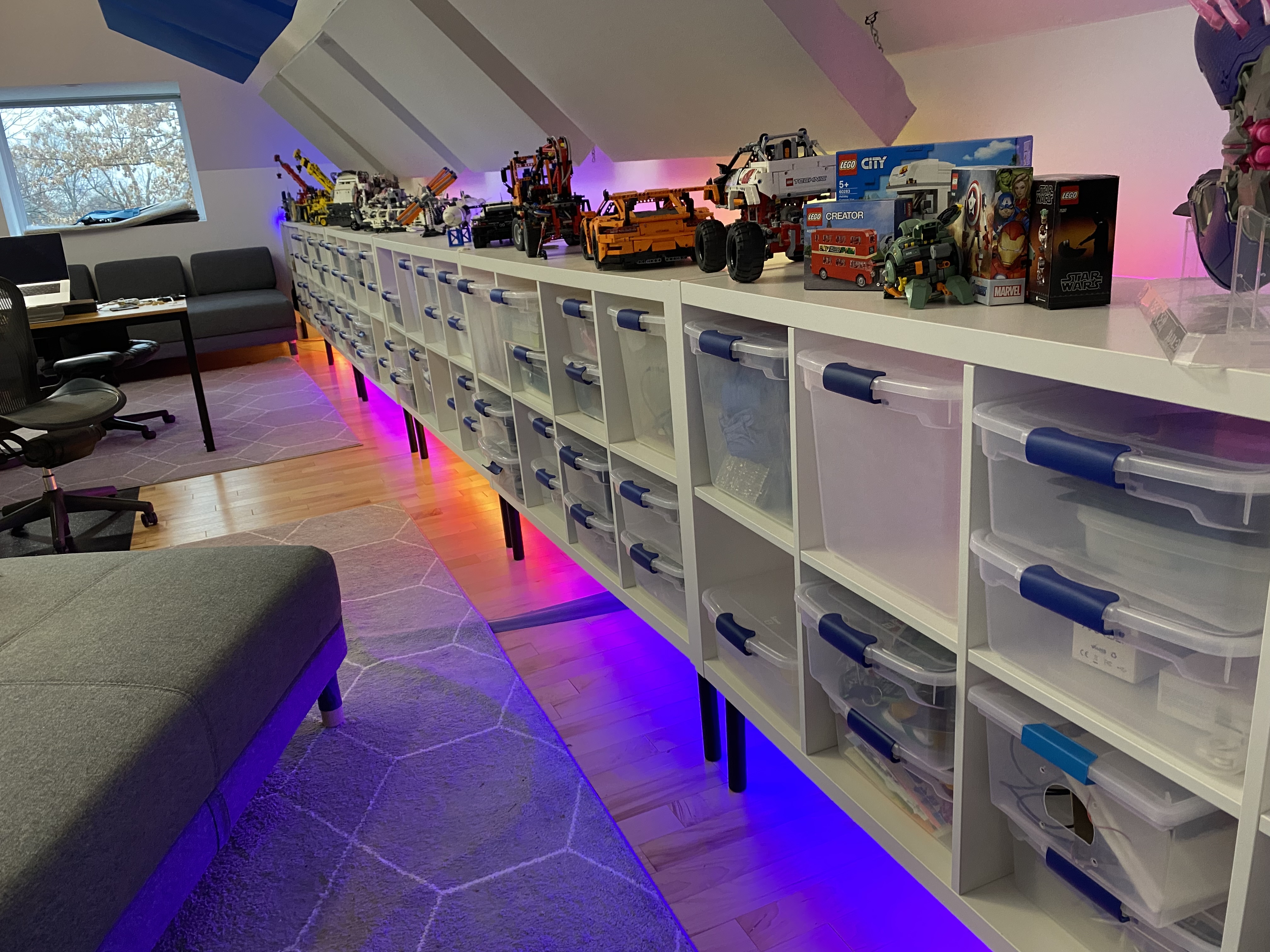
Kitchen LED Lights
The third room in the Magnolia LED rollout, introducing physical constraints around heat, grease, and the need for actually useful task lighting.
IT systems
Enterprise infrastructure manages identity, communication, storage, and security to ensure controlled access, reliability, and operational continuity.
Enterprise infrastructure manages identity, communication, storage, and security to ensure controlled access, reliability, and operational continuity.
This domain is valuable because software and platform systems make interfaces explicit. They reveal how modules compose, where abstractions leak, how change propagates, and how operational discipline keeps complex systems evolvable.
The same lens transfers far beyond software. Once you can reason about state, isolation, coordination, and failure here, you are better prepared to understand teams, institutions, and other layered systems. This domain gets more useful when it is compared with adjacent systems instead of being treated as a silo. That is where reusable judgment starts to form.
The third room in the Magnolia LED rollout, introducing physical constraints around heat, grease, and the need for actually useful task lighting.
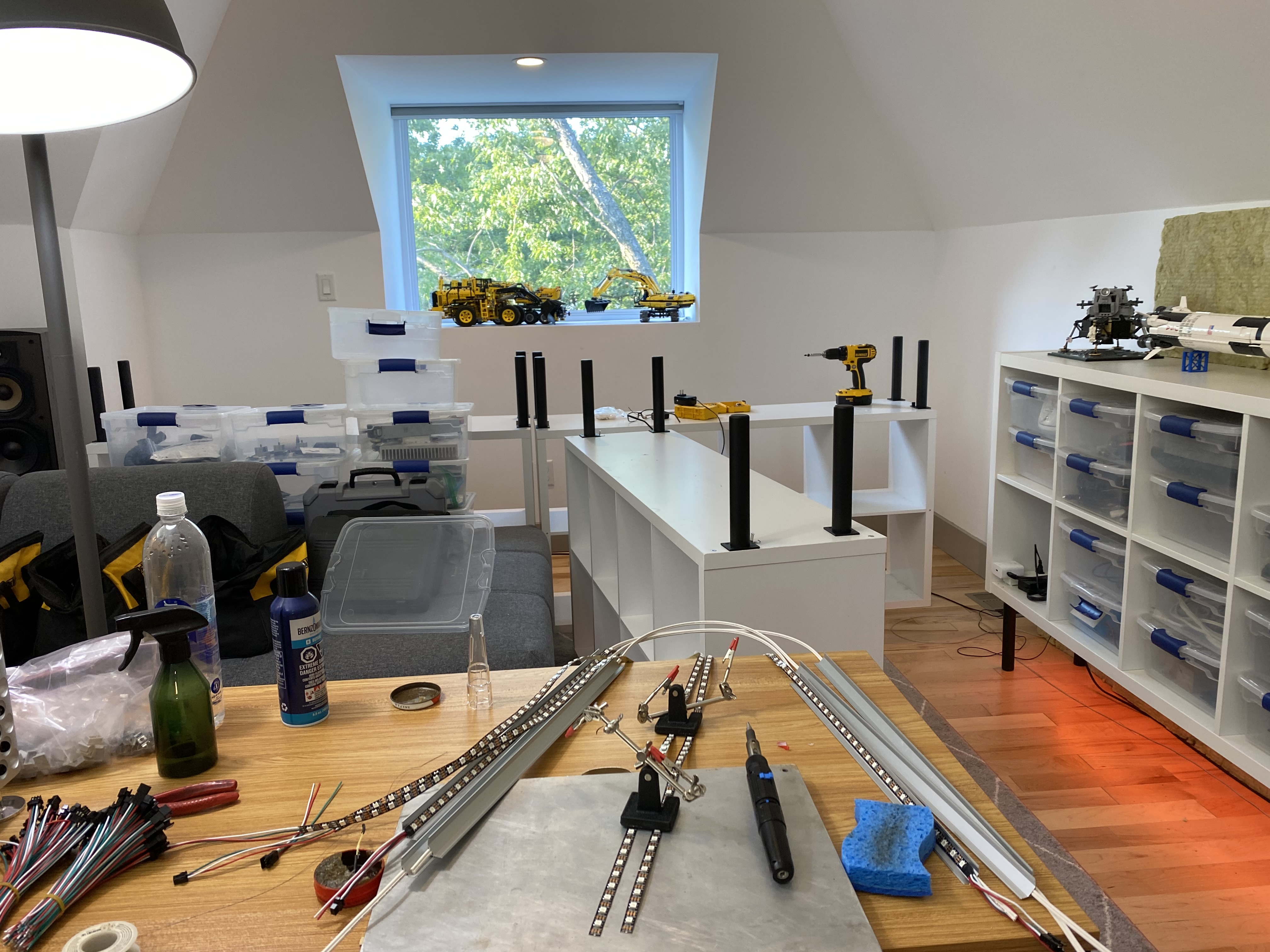
Soft baseboard lighting using the WLED ecosystem that shifts color temperature through the day — and revealed that bedroom smart lighting has near-zero tolerance for latency.
A collection of LED builds spanning room lighting, wearables, and portable displays — the same individually addressable technology applied across very different physical and operational constraints.

Individually addressable LED strips controlled by ESP8266/ESP32 running WLED, integrated with Apple HomeKit and Home Assistant to respond to time of day, calendar events, and sensor data.
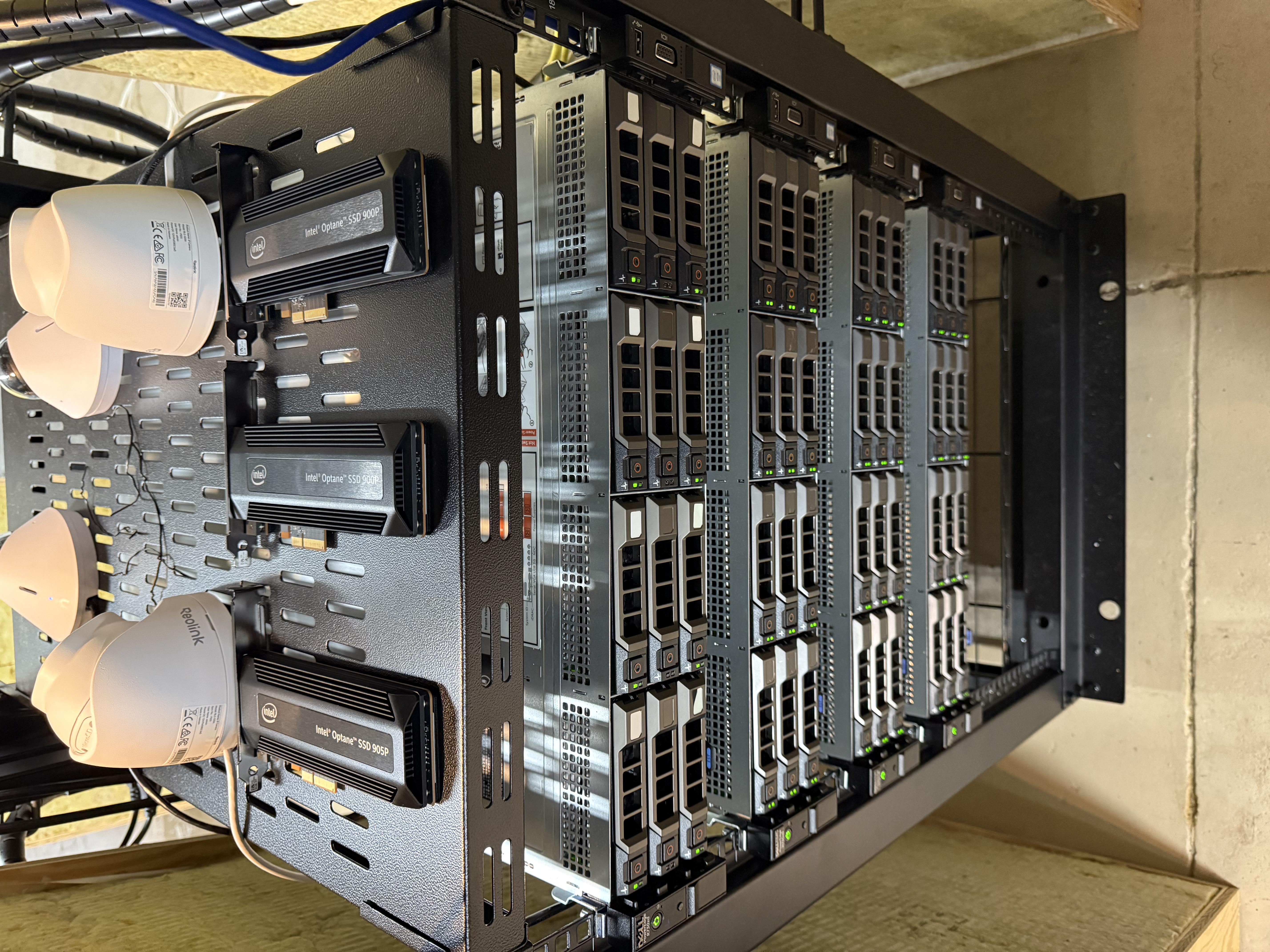
A hierarchical, permissioned operating system manages processes, memory, and files through a kernel that enforces resource isolation, scheduling, and hardware abstraction.
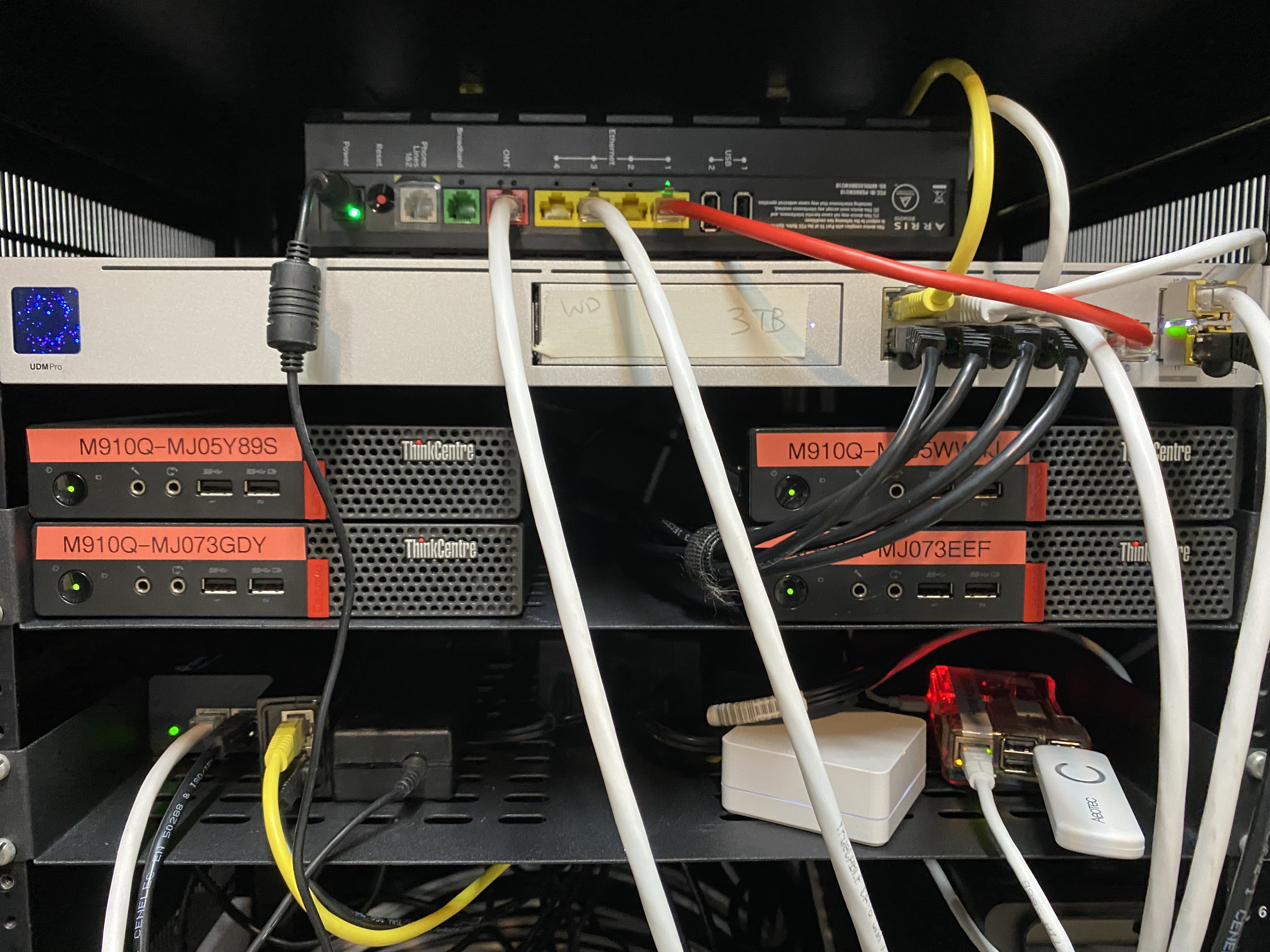
Projects wiring up the home with sensors, automation, lighting, audio, and climate systems — learning IoT and embedded hardware by living inside it.
Decentralized software production is governed by licenses, contribution models, and maintainers, with reputation and utility coordinating distributed contributors around shared codebases.
On-demand, API-driven infrastructure is composed from modular services with explicit cost models, enabling scalable architectures through composition, isolation, and elasticity.
Home automation interests me because it brings systems thinking into everyday physical life.
Designed and tested a DIY HVAC solution for an unresolved third-floor heating and cooling problem using 12-inch ducts and AC Infinity inline fans — before a full system replacement validated the approach.