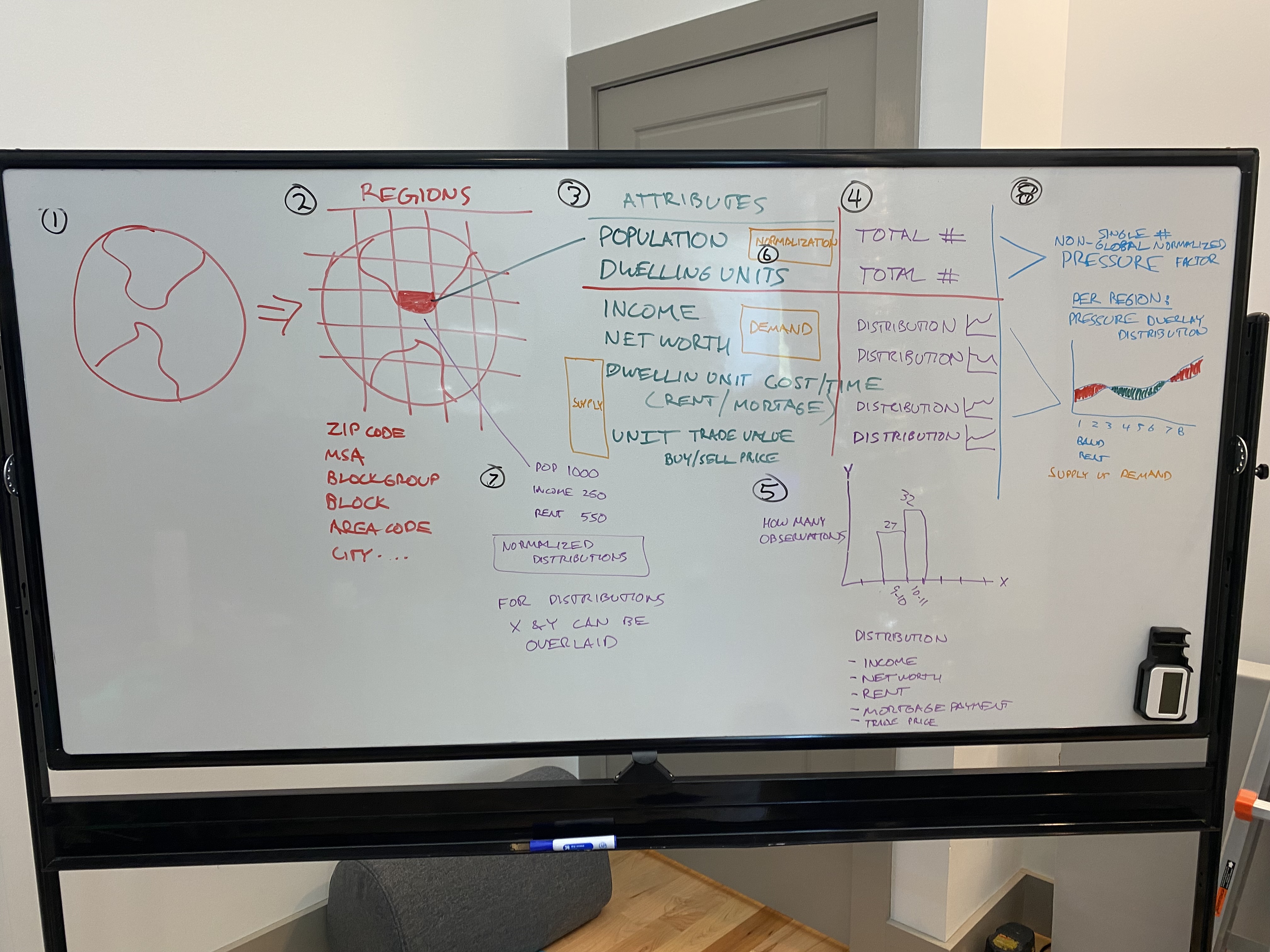
Data Systems For Better Decisions
Why data systems matter most when they make reality easier to see and decisions easier to improve.
Feedback loop systems
Mechanisms capture outcomes and feed them back into planning, adaptation, and improvement cycles.
Mechanisms capture outcomes and feed them back into planning, adaptation, and improvement cycles.
This domain is valuable because coordination problems become visible here. It clarifies who decides, what gets measured, where resources flow, how incentives align or drift, and how feedback changes behavior over time.
The transfer is practical. Once you can read incentives and coordination costs in one organization or market, you get faster at diagnosing why other systems stall, scale, or move in the wrong direction. This domain gets more useful when it is compared with adjacent systems instead of being treated as a silo. That is where reusable judgment starts to form.
Why data systems matter most when they make reality easier to see and decisions easier to improve.
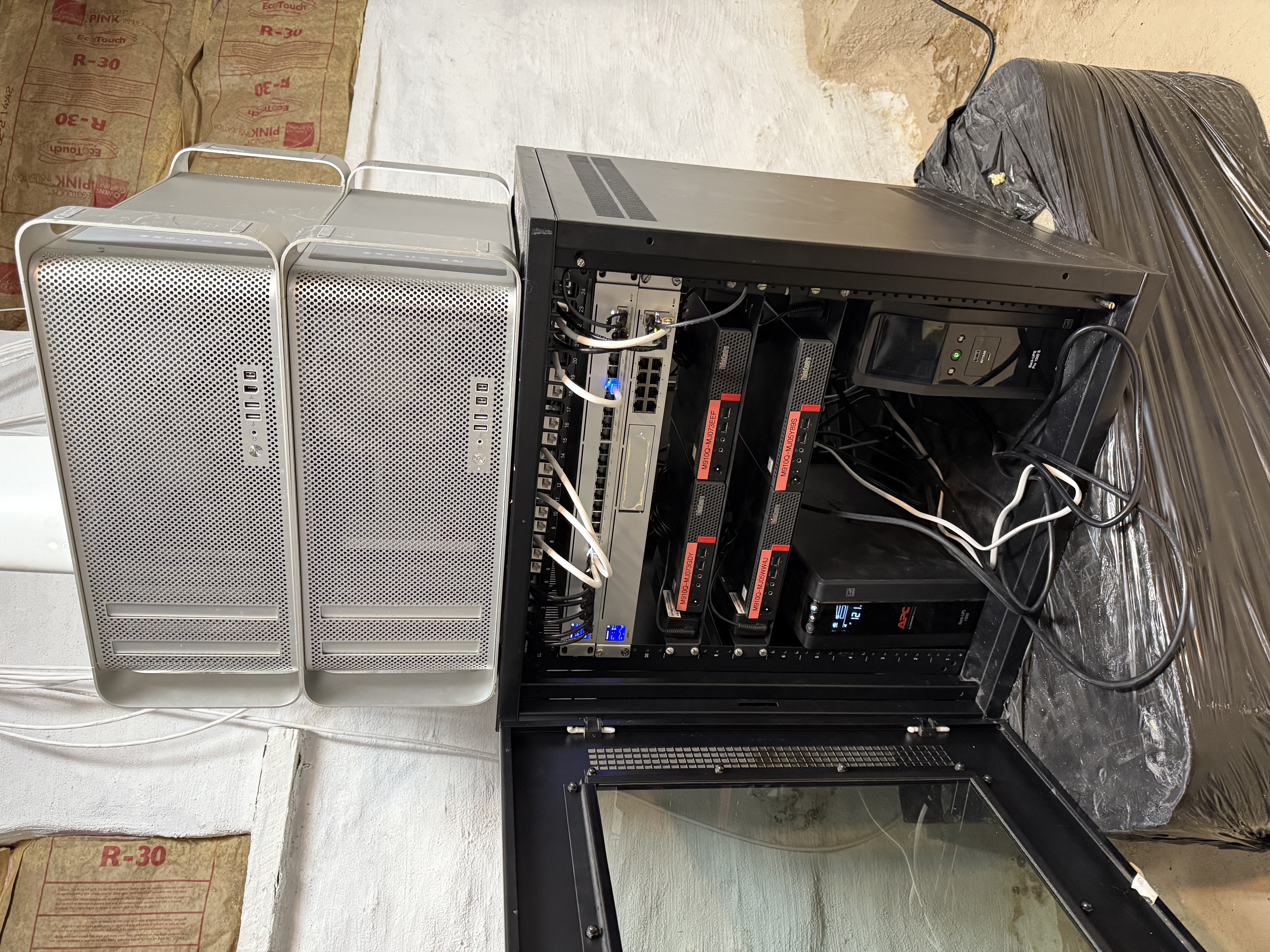
Why rehearsal environments, prototypes, and smaller proving grounds can improve real production systems.

Three habits underneath how I build knowledge: making breadth legible with a through-line, treating personal projects as serious R&D, and understanding systems deeply before improving them.

Why polish is not cosmetic in mobile games, and the release checklist that separates a promising build from a shippable one.
Observations on the systemic frustrations of commercial air travel and five practical suggestions for improving the experience.