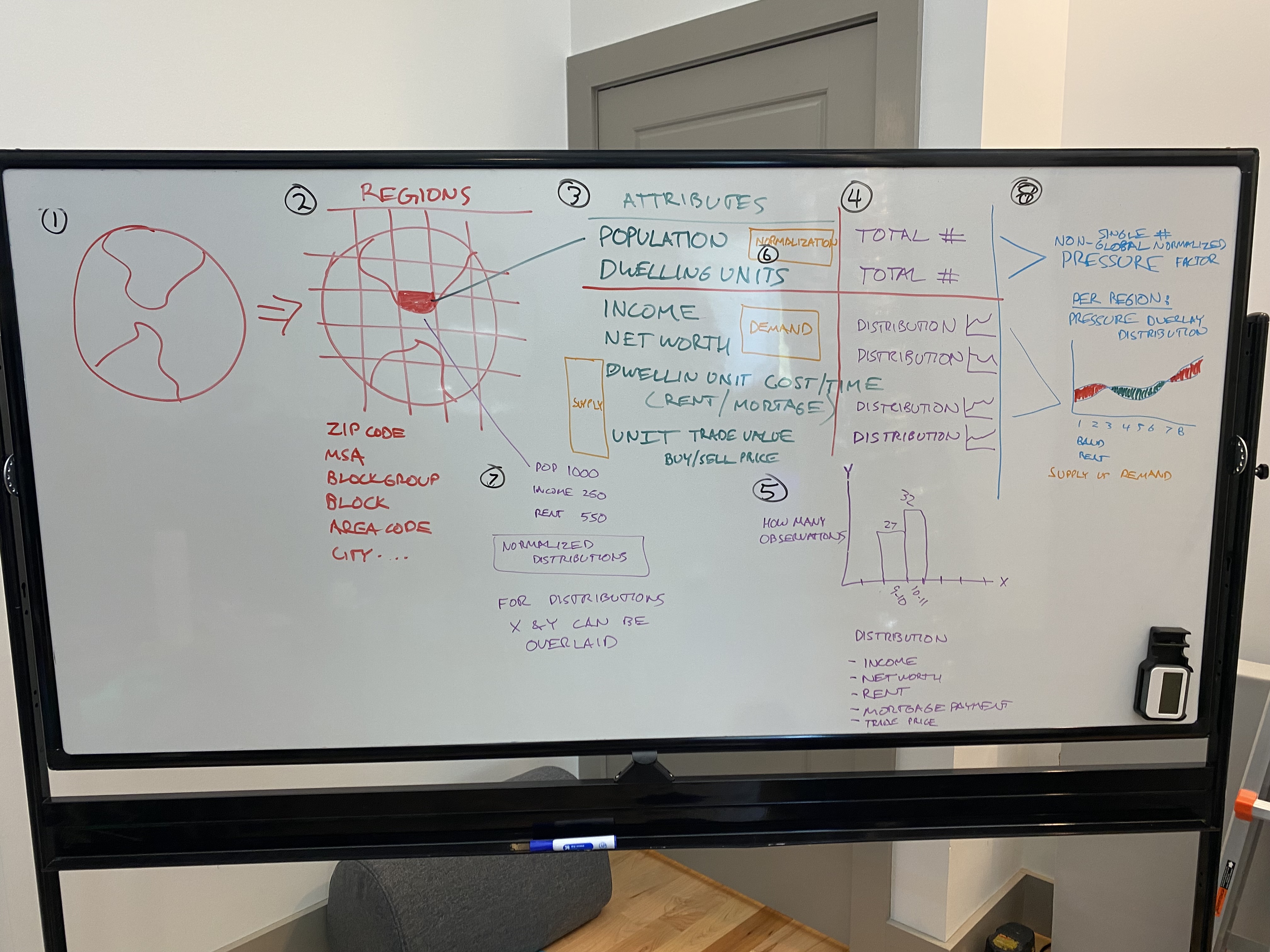
Data systems are often discussed as plumbing: pipelines, warehouses, schemas, tools, dashboards.
That’s real work, but it’s not the real objective.
The real objective is decision quality.
The question I use as a litmus test is:
Does this data system help someone decide what to do next — with less guessing?
What “better decisions” means operationally
A decision gets better when at least one of these improves:
- the team can see reality sooner
- the team can distinguish signal from noise
- the team can trace “why” (not just “what happened”)
- the team can act and then measure whether the action worked
If a data system produces beautiful dashboards but the organization still debates basic reality every week, it’s not doing its job.
The mechanism (how data systems create clarity)
Strong data systems usually do a few things consistently:
1) They anchor on a decision, not a dataset
If you can’t name the decision a metric is meant to support, you’re usually building inventory, not usefulness.
2) They preserve trust
Trust comes from boring things:
- definitions that stay stable
- lineage that can be explained
- known freshness/latency
- transparent gaps and caveats
3) They shorten the distance between signal and action
A system is more valuable when it reduces time spent on:
- “where is the data?”
- “is this number real?”
- “what does this field mean?”
- “who owns this?”
The faster a team can move from observation → decision → action → measurement, the faster the organization can learn.
The trade-offs (why this is harder than it sounds)
You can’t optimize everything at once.
Common tensions you have to choose intentionally:
- speed vs correctness (early signal vs audited truth)
- flexibility vs governance (self-serve exploration vs consistent definitions)
- fidelity vs cost (granularity vs storage/compute overhead)
- instrumentation vs friction (more tracking vs more implementation burden)
The mistake is pretending these trade-offs don’t exist. The better move is naming which ones matter for the current phase.
Practical next step
If you want to make your data work more decision-grade, start here:
- Pick one real decision that currently feels political or guessy.
- Write down what signal would make that decision easier (and what “wrong” looks like).
- Build the smallest pipeline that produces that signal with known freshness and known caveats.
- Put it into a real cadence (a weekly review, an operating meeting, an on-call runbook) so it actually gets used.
Data systems earn their keep when they make reality easier to see — and make change easier to evaluate.