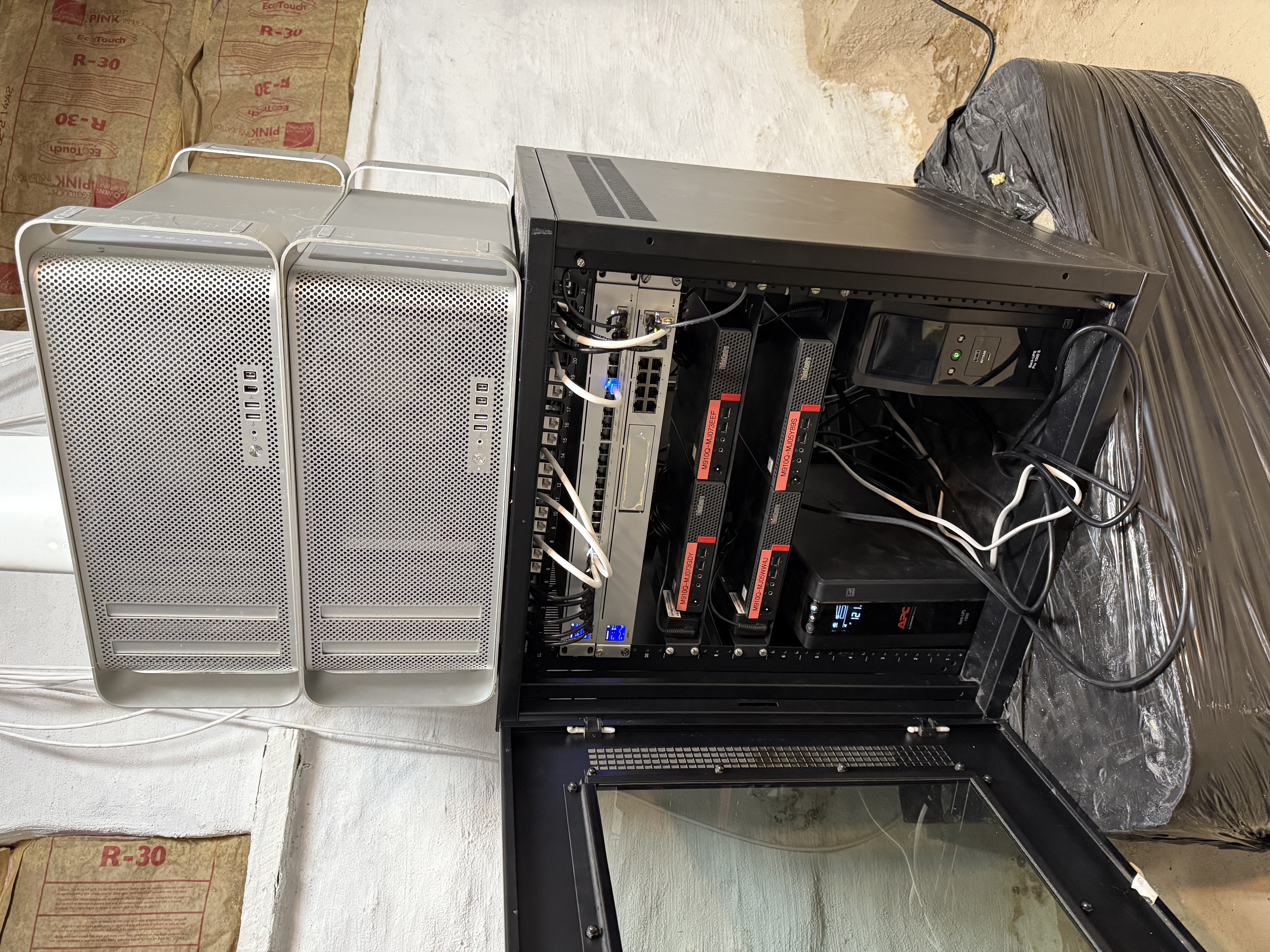
Linux
Linux is an open-source operating system for servers and systems.
System Design (Scalable Software Architecture)
System Design (Scalable Software Architecture) is a designing systems that are reliable, scalable, and maintainable.
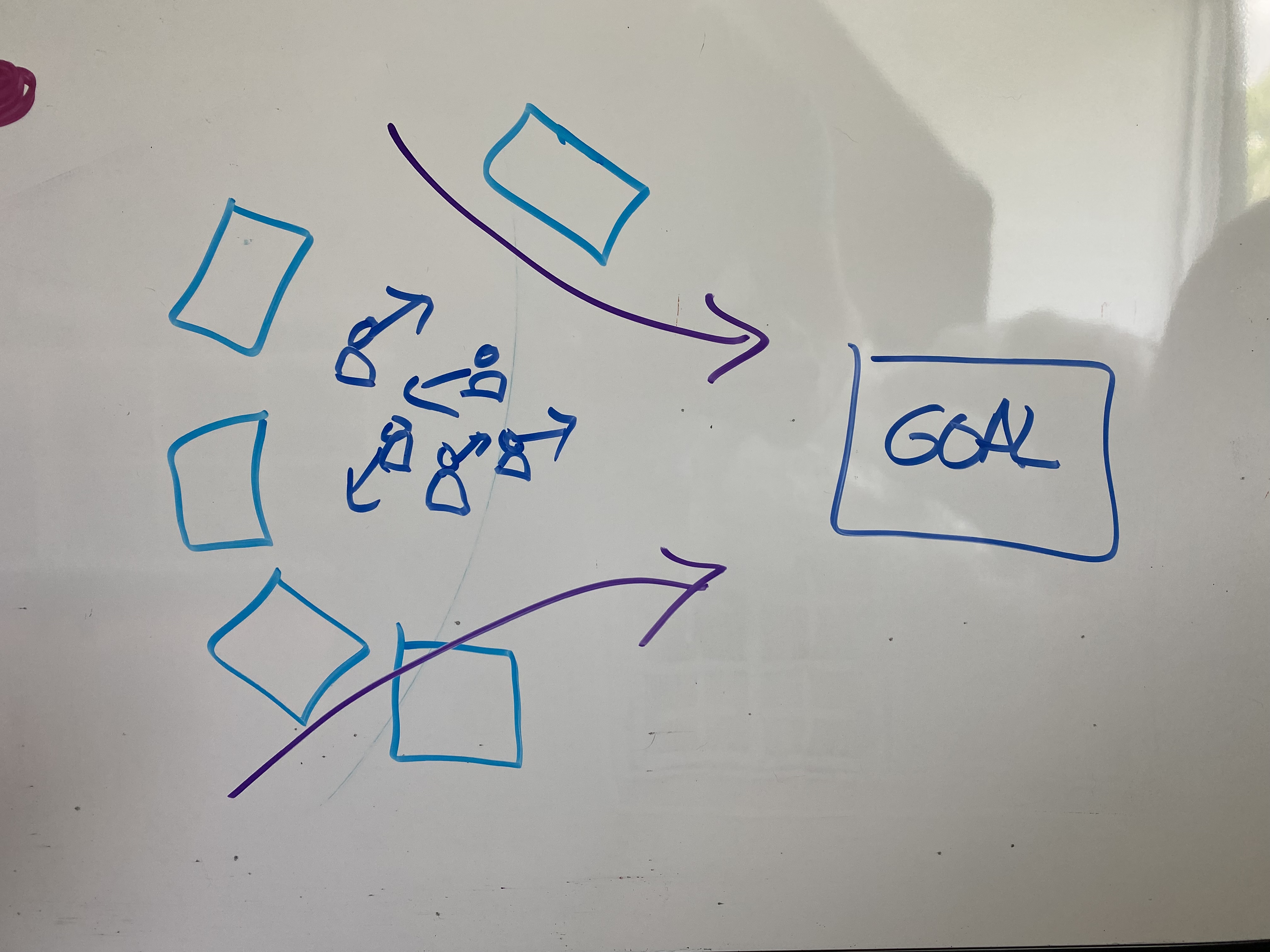
System Design (Scalable Software Architecture) is a designing systems that are reliable, scalable, and maintainable. On this site, it matters because it transfers across technical, operational, and venture work instead of staying trapped in one narrow context.
Learn more: https://en.wikipedia.org/wiki/Systems_design
Linux is an open-source operating system for servers and systems.
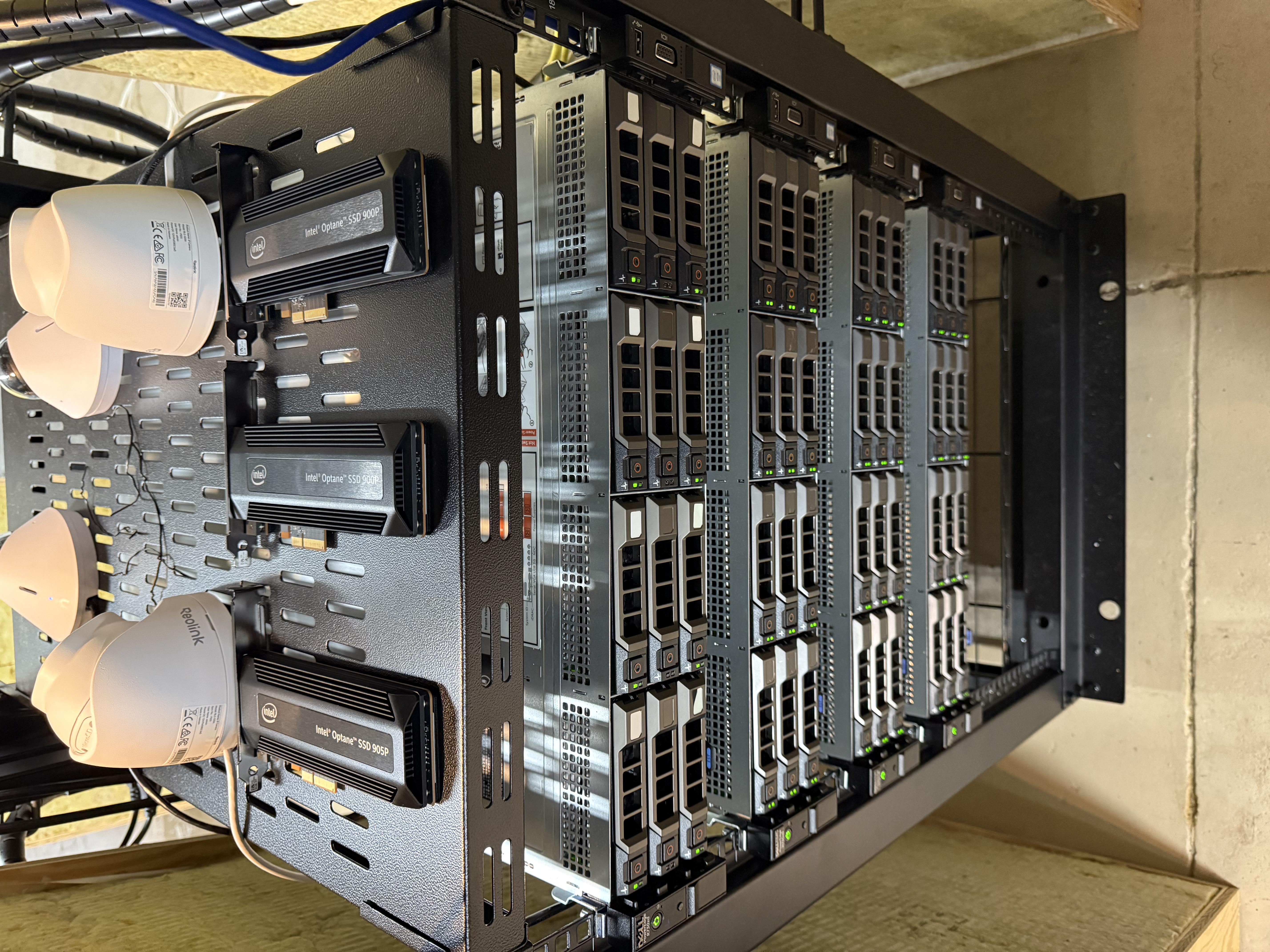
A hierarchical, permissioned operating system manages processes, memory, and files through a kernel that enforces resource isolation, scheduling, and hardware abstraction.
On-demand, API-driven infrastructure is composed from modular services with explicit cost models, enabling scalable architectures through composition, isolation, and elasticity.
Projects designing, migrating, and operating cloud-native infrastructure on AWS and related platforms.
Multiple coordinated nodes operate under partial failure, requiring replication, coordination, and fault tolerance to deliver reliable global behavior.
Declarative configurations define infrastructure state so environments can be reproduced, versioned, and managed consistently.
Structures aggregate and allocate financial resources into ventures, projects, and assets.
Redis is an in-memory data store for caching and real-time systems.
Designed and built a containerized, auto-scaling microservices framework on AWS in 2014 — supporting services in Python, Node, Rust, and OpenResty with multi-region capability.
Practices and controls protect systems from unauthorized access, misuse, and failure.