Personal Life and Practice
Deliberate practices, shaping experiences, and the parts of life that resist categorization but leave a mark — incense, aikido, events, and encounters that changed how the world gets approached.
Personal knowledge systems
Tools and structures organize individual understanding and information retrieval.
Tools and structures organize individual understanding and information retrieval.
This domain is valuable because individual capacity and relationships are also systems. Time, attention, trust, health, and identity all have carrying costs, thresholds, and feedback loops that shape what is possible.
The transfer is foundational. People who can see these dynamics clearly tend to design healthier teams, more realistic projects, and more durable operating systems in every other domain. This domain gets more useful when it is compared with adjacent systems instead of being treated as a silo. That is where reusable judgment starts to form.
Deliberate practices, shaping experiences, and the parts of life that resist categorization but leave a mark — incense, aikido, events, and encounters that changed how the world gets approached.
Frameworks manage time, energy, commitments, and resources at the individual level.
Networks of interpersonal connections are managed through communication, trust, reciprocity, and shared history.
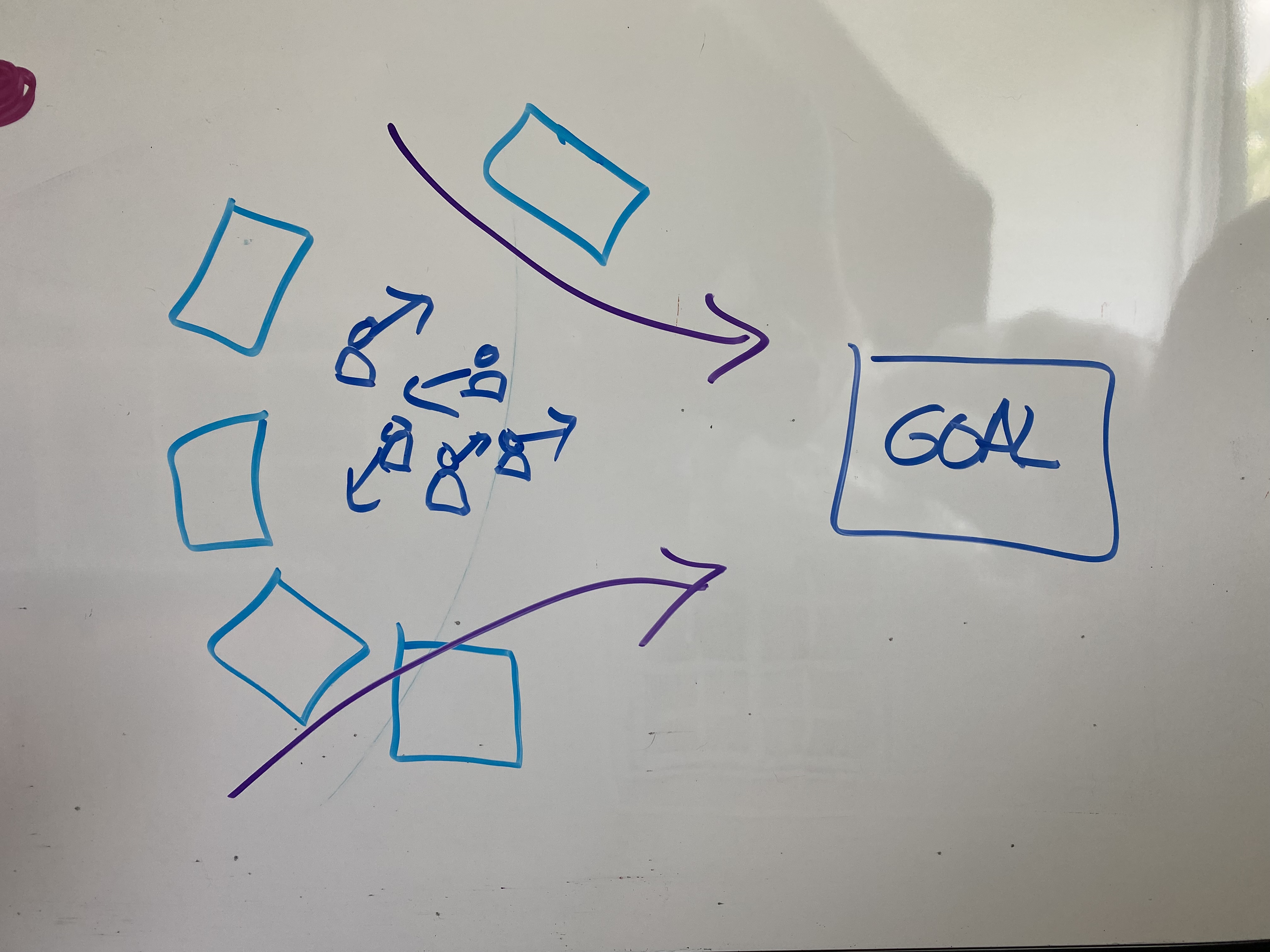
Structured approaches evaluate options and select actions under uncertainty.
Cognitive and formal processes identify reusable structures across domains.
Groups organized around shared goals or interests coordinate through norms, incentives, roles, and communication.
Data-driven systems monitor and analyze physiological and behavioral metrics over time.
Applying data engineering and systems thinking to personal life — automated financial infrastructure, multi-entity accounting, and the quantified self.
The quantified self interests me as a way of observing patterns in a life that would otherwise blur together.
How how I think about publishing ideas across websites, social media, email, video, and other channels.