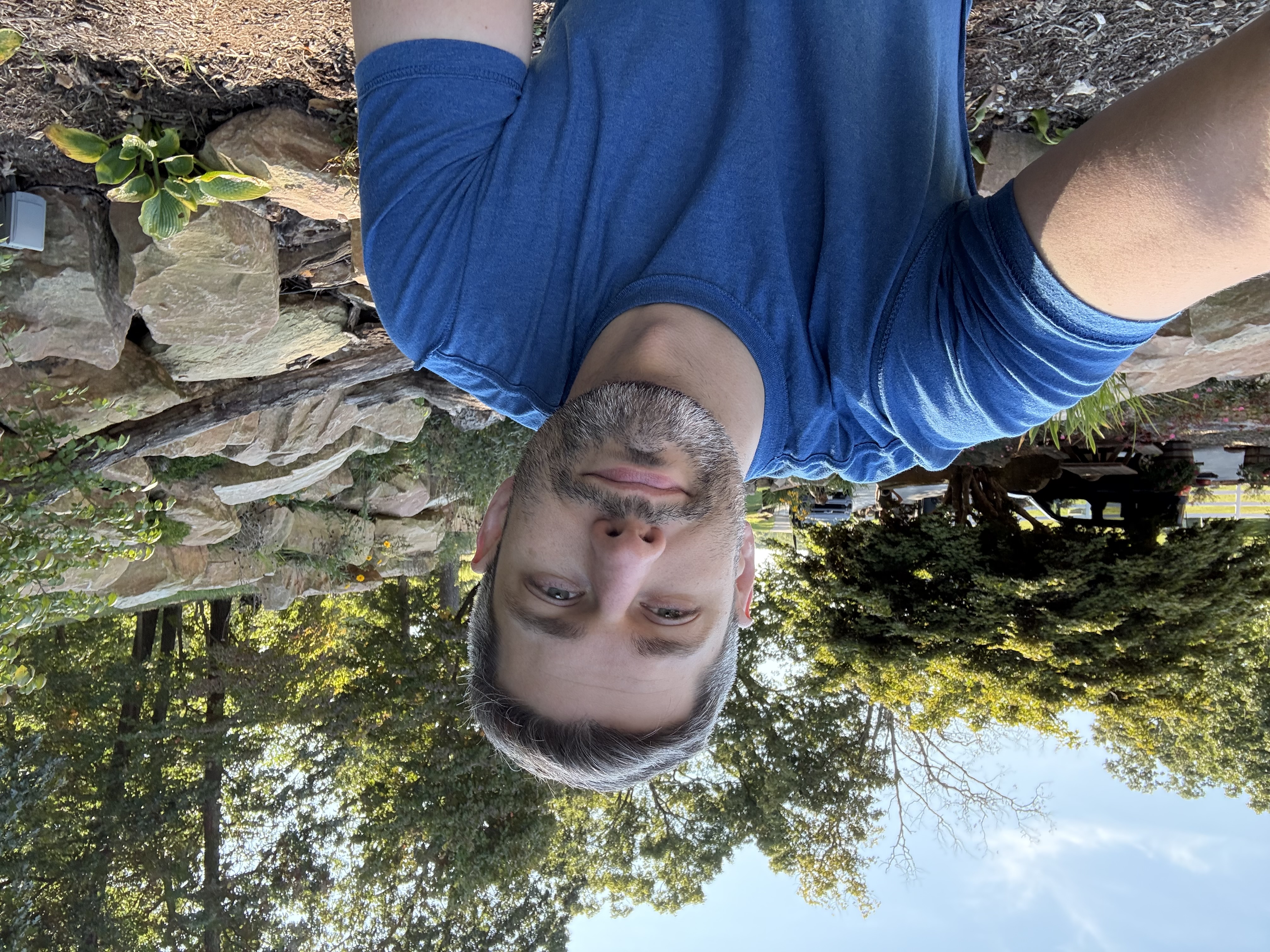
If you’re trying to decide whether we should work together, this post is meant to remove guesswork.
The point is not “here’s what I’m interested in.” The point is: here’s what reliably drives my behavior, what I optimize for, what I avoid, and how to engage with me in a way that creates momentum instead of friction.
The four drives underneath almost everything I do
If I had to compress it to a simple model, it’s this:
- My survival
- My thriving (usually through systems and tools)
- Other people’s survival
- Other people’s thriving (in their way, not mine)
Those are not abstract values. They show up as decision filters.
1) My survival
This is about stability: financial, emotional, operational, relational.
When my survival is threatened, I become reactive. When it’s stable, I become strategic.
So one of my biggest ongoing jobs is to build enough stability that I don’t have to finance ambition with stress.
2) My thriving (systems + supporting tools)
I’m at my best when I’m building or repairing a system:
- making a complex situation legible
- turning ambiguity into a usable map
- creating a repeatable process so outcomes don’t depend on heroics
I don’t just like “ideas.” I like ideas that can be operated.
3) Other people’s survival
A lot of the work I do is motivated by a simple instinct: if someone I care about is stuck, under-resourced, or overwhelmed, I want to help create stability.
In practice this often looks like:
- creating operational scaffolding so a team stops dropping commitments
- building systems that make work more predictable
- making reality visible early so people can adapt before things break
4) Other people’s thriving (in their own way)
This is the long-horizon version of the above.
I’m driven to help people become more capable and more free:
- by compressing learning curves
- by teaching what I’ve learned (with receipts)
- by building structures where other people can step up, own things, and win without me
I don’t want to be the savior. I want to be part of a system where more people can thrive sustainably.
My purpose (in operating language)
My primary purpose is to accelerate organizational understanding so teams can move from uncertainty to durable, production-grade systems and repeatable processes.
The mechanism is not motivation. It’s structure:
- make the real constraint visible
- show the dependency chain
- define “done”
- build the system of record
- teach the team how to operate it
When that structure exists, execution stops feeling like chaos and starts feeling like steering.
What energizes me
Here are the types of work that consistently produce my best output:
- Building new systems and prototypes (software, data platforms, embedded/robotics).
- Translating technical complexity into operable demos, documentation, and training.
- Projects with real ambiguity that require synthesis across domains.
- Teaching and mentoring, especially hands-on capability-building.
- Long-horizon work that is meant to be sustainable, community value creation.
- Architecture and data productization: designing the pattern, not just shipping the instance.
What I avoid (because it reliably goes poorly)
I’m not morally opposed to any of these, but I’ve learned to treat them as warnings:
- Repetitive commodity maintenance with no chance to invent, improve, or redesign.
- Pure direct sales work where the primary output is persuasion instead of substance.
- Promotion that outpaces truth (marketing something the underlying system can’t actually support).
- Projects where the organization refuses to adopt the discipline or transparency required to change.
If you want me at full strength, don’t put me in a role that depends on any of the above.
My operating philosophy (how I choose to behave)
I try to operate as a steward.
I align my actions with what is:
- sustainable
- durable
- truthful
- life-giving
I actively avoid patterns where value is created early and then extracted later through degradation, dependency, or misaligned incentives.
In short: I don’t win by making systems worse over time.
Core principles
- stewardship over extraction
- durable value over short-term optimization
- incentive alignment over hidden transfers
- transparency over manipulation
- maintainability over fragility
- optionality over lock-in
My decision filter
Before I commit to a direction, I ask:
- Is this genuinely useful?
- Does it remain viable over time?
- Does it strengthen or degrade trust?
- Are incentives aligned?
- Can it be maintained and understood?
- Does it create capacity or dependency?
- Would it still serve if I were gone?
How to work with me (so we keep momentum)
If you want to work with me well, these patterns matter.
Don’t confuse urgency with priority
If everything is urgent, nothing is steerable.
I’m happy to move fast, but I won’t rebuild the old pattern where speed comes from panic and unclear promises.
Align incentives early
Most degradation isn’t about intent. It’s about incentives.
If we’re going to collaborate long-term, we should be explicit about:
- what “winning” means for each party
- how value is measured
- what gets rewarded (and what doesn’t)
- how exit works if it stops being aligned
If you want to engage with me, here’s what to send
If you reach out and want a high-quality response, include:
- the outcome you want (not just the activity)
- the constraints (timeline, budget, risk/compliance, people)
- what’s already been tried
- what you believe the real constraint is
- why you think I’m the right fit
- what “done” looks like
That gives me enough structure to decide quickly.
Related context
If you want to understand the broader arc behind how I’m operating now:
- The Predicament — the truth about the long-running tangle I’m resolving.
- The Reboot — the sequential plan I’m using to rebuild steerability and scale cleanly.
The invitation
If any of this resonates and you think we should talk, the best place to start is my Contact page.