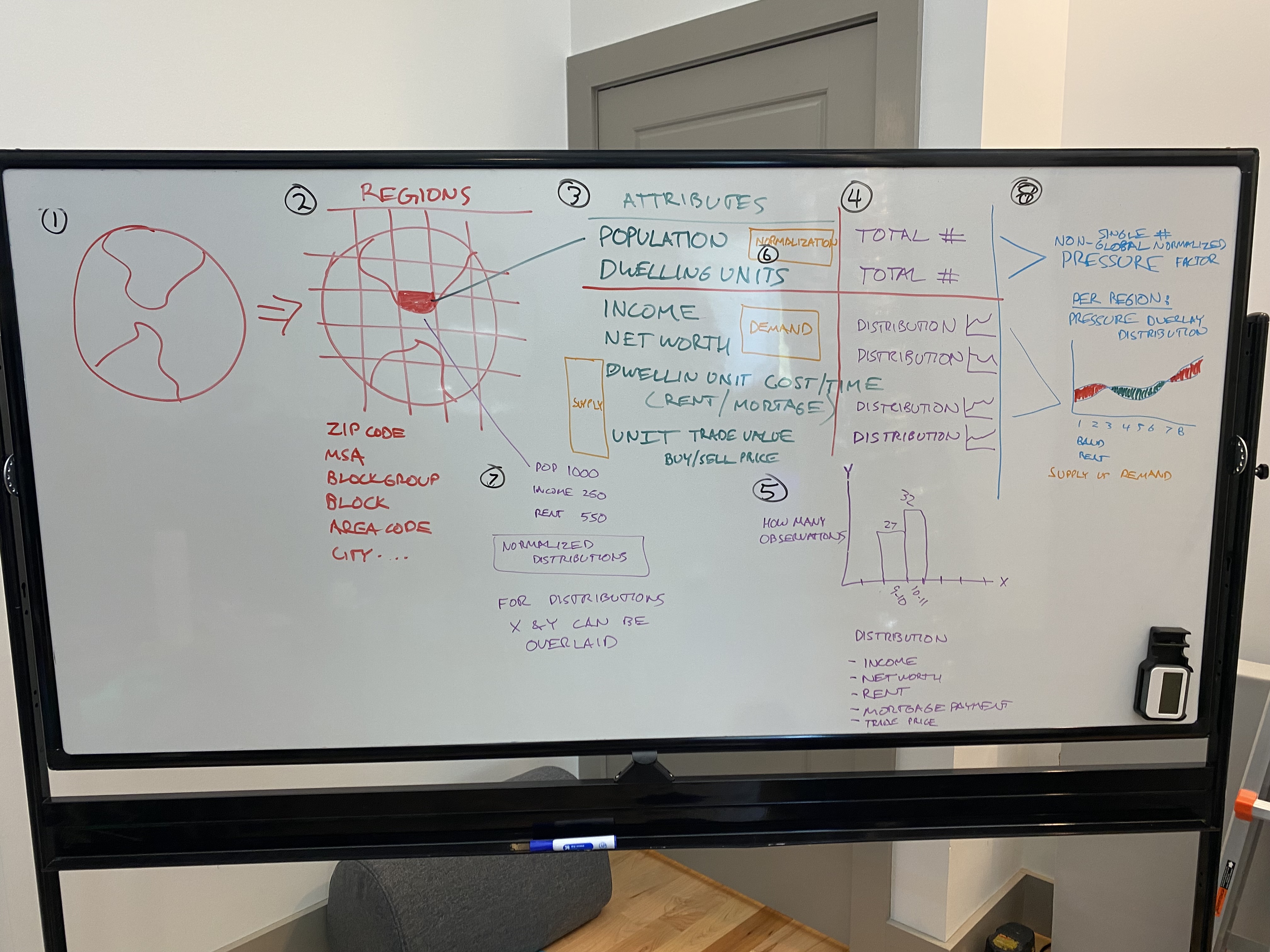
Data systems are often discussed as pipelines, warehouses, schemas, tools, and dashboards.
All of that is real, but it misses the most important question: do these systems help people make better decisions?
The MOMC material repeatedly frames data work as a way to reduce ambiguity, quantify what is actually happening, and create usable operational visibility. That is a much better standard than merely saying the data stack exists.
Strong data systems do a few things well:
- they preserve enough fidelity to stay trustworthy
- they make important patterns visible
- they create shared reference points for teams
- they reduce the distance between signal and action
Weak data systems may still produce a lot of output, but they fail at the moment where someone needs to decide what to do differently.
That is why data infrastructure should be judged partly by clarity. A system is stronger when it helps people see reality sooner and respond with better judgment.