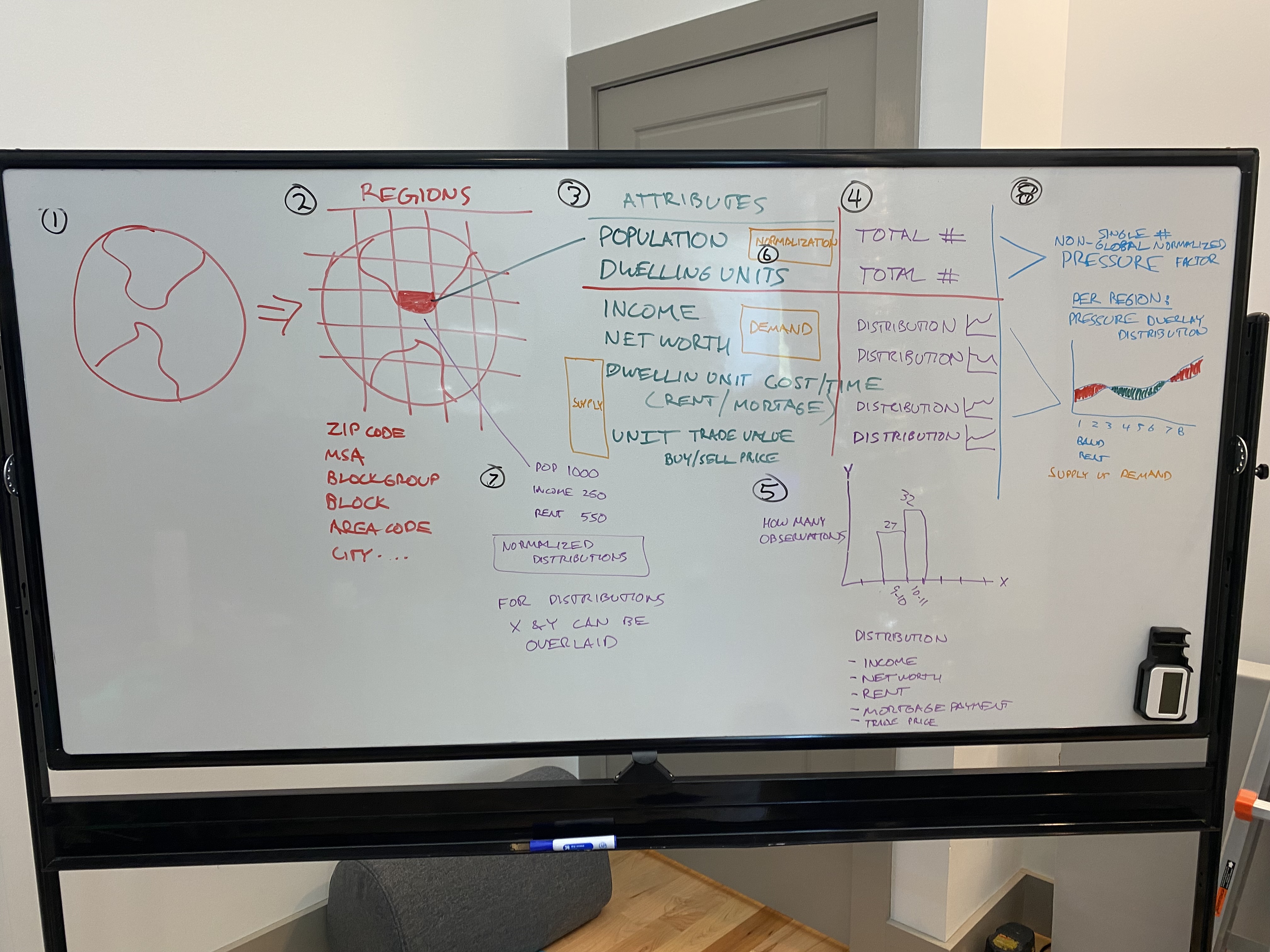
Data Systems For Better Decisions
Why data systems matter most when they make reality easier to see and decisions easier to improve.
Cloud Architecture and Infrastructure
Projects designing, migrating, and operating cloud-native infrastructure on AWS and related platforms.
Why data systems matter most when they make reality easier to see and decisions easier to improve.
Multiple coordinated nodes operate under partial failure, requiring replication, coordination, and fault tolerance to deliver reliable global behavior.
Infrastructure as Code (Conceptual) is a managing infrastructure through code and automation practices.
Declarative configurations define infrastructure state so environments can be reproduced, versioned, and managed consistently.
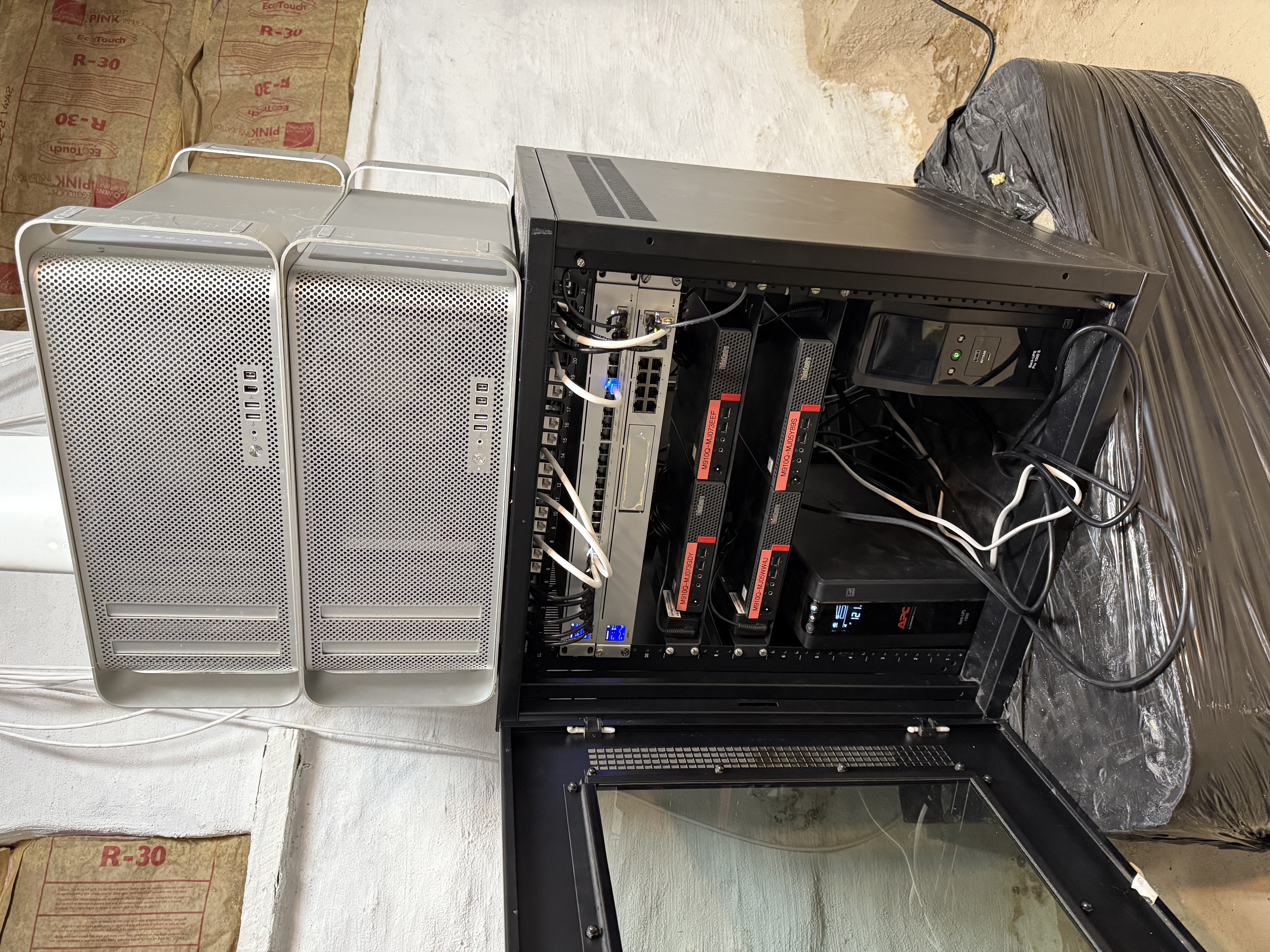
Why rehearsal environments, prototypes, and smaller proving grounds can improve real production systems.
Amazon ECS is a container orchestration service for running Docker containers.
Structures aggregate and allocate financial resources into ventures, projects, and assets.
Docker is a containerization platform for packaging and deploying applications.
Amazon Route 53 is a scalable DNS and domain management service.
Designed and built a containerized, auto-scaling microservices framework on AWS in 2014 — supporting services in Python, Node, Rust, and OpenResty with multi-region capability.