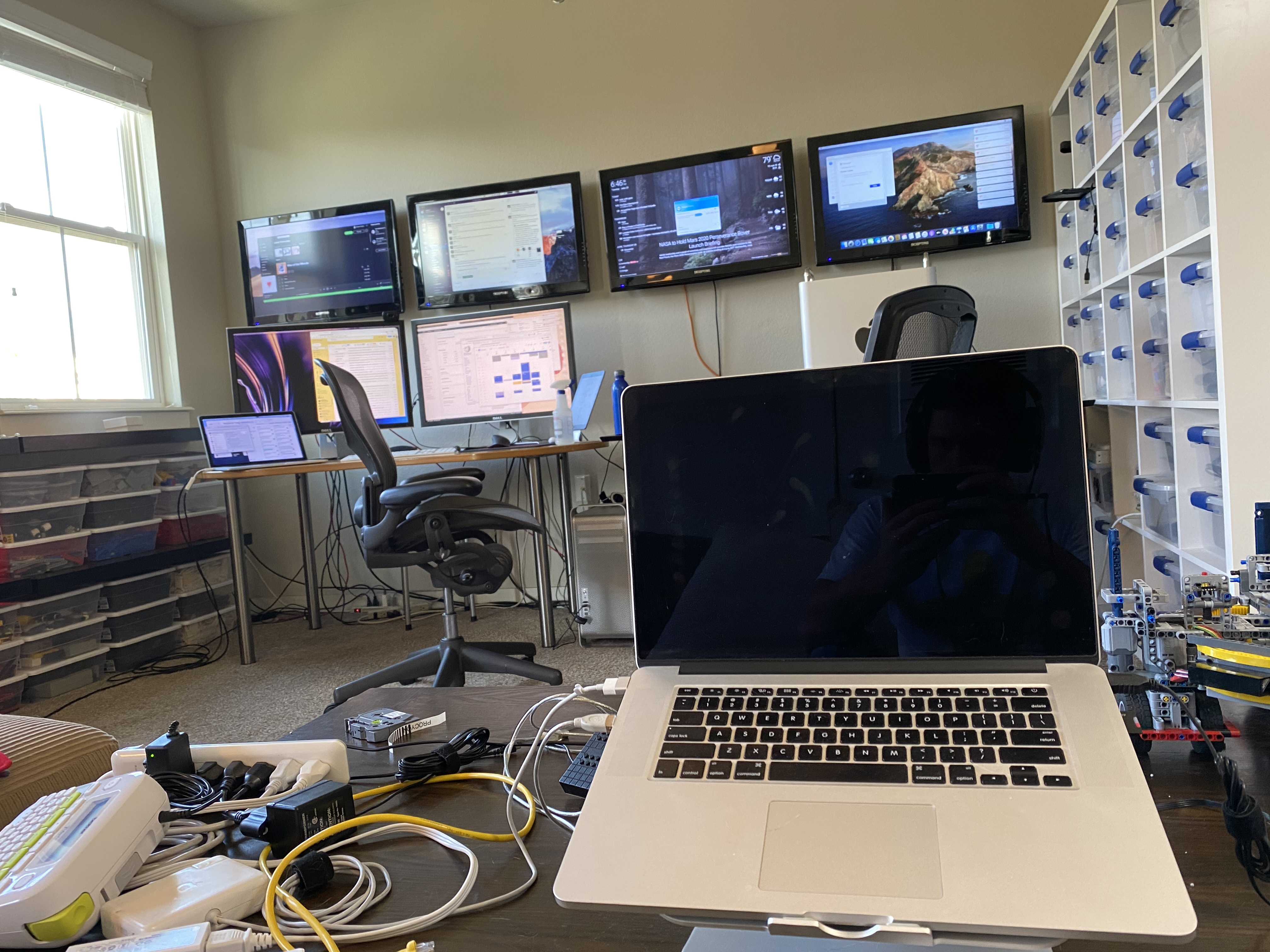
Information enters my life through many channels. The real challenge is not receiving it, the challenge is triaging it.
I try to distinguish between what is urgent, what is important, what is merely loud, and what can be ignored entirely. That requires a combination of systems, habits, routing rules, and judgment.
This page exists because attention is limited. If incoming information is not handled intentionally, it can consume time, fragment focus, and crowd out more meaningful work.
What This System Is Trying To Do
The goal is not to respond to everything quickly. The goal is to route information into the right next place.
- urgent items need timely attention
- important items need a real follow-up path
- reference material needs a home
- low-value noise needs to be muted, batched, or ignored
Main Intake Channels
Time And Commitments
- Calendar
- phone notifications
- desktop notifications
These are where time-bound obligations become visible and where timing-sensitive reminders tend to surface.
Team Coordination And Knowledge
- Slack
- Microsoft Teams
- Zulip
- GroupMe
- Discord
- Jira
- Confluence
These channels matter when work is collaborative, when decisions need to be tracked, or when context needs to stay visible beyond one conversation.
Direct Communication
- client-specific email
- text messages
- phone calls
- voicemails
- Signal
- Facebook Messenger
These are the channels most likely to carry direct requests, personal context, or relationship-sensitive communication.
Work And Code Notifications
- GitHub mentions, pull requests, and tasks
- GitLab.com mentions, pull requests, and tasks
- self-hosted GitLab mentions, pull requests, and tasks
These need a different kind of triage because they often indicate active execution work, reviews, blockers, or ownership changes.
Monitoring And Operations
- HubSpot
- Mint or Monarch
- QuickBooks
- Unifi Protect
- Amazon app notifications
These channels are useful, but they should usually not compete with deep work unless something actually requires action.
Routing Principles
When something comes in, I try to make one of a few moves:
- respond if it genuinely requires an immediate answer
- convert it into a task if execution is needed
- put it on the calendar if time needs to be reserved
- store it in a reference system if it matters later
- mute or batch it if it is only noise
The quality of the system depends less on the number of channels than on whether each channel has a clear handling rule.